
14-Inch Cutter Suction Dredger Supplier Considerations for Dependable Dredging Projects
2026-11-21
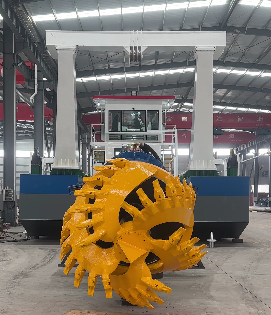
Every seasoned project manager knows that a 14-inch cutter suction dredger is only as reliable as the supplier behind it. The wrong choice shows up late—as unexpected downtime, hard-to-source wear parts, or support calls that go unanswered. In this guide, we look at the supplier factors that separate smooth-running dredging projects from costly delays, and why YaKai Dredger keeps making the shortlist for the right reasons.
What Sediment Types Demand From a 14-Inch Cutter Head
A 14-inch cutter head rarely gets the luxury of one sediment type across a job. In soft silt or loose mud, the cutting force itself is almost an afterthought; what matters is keeping the suction mouth from turning into a plugged funnel. Slow rotation with high flow usually beats aggressive digging, because the teeth are not doing much cutting so much as guiding slurry into the intake.
When the material shifts to packed sand, gravel, or mixed cobbles, the demands reverse quickly. Tooth impact rises, the ladder vibrates, and the drive has to absorb sudden torque spikes without snapping shear pins. This is where replaceable carbide teeth and a heavier wear ring earn their cost. Add sticky clay into that mix, and the real problem becomes clogging behind the cutter rather than cutting itself.
Consolidated clay or weak rock pushes the 14-inch head into a different working mode altogether. The cutter needs slow, steady crowd pressure and sharp picks to score and fracture the face; otherwise it just polishes the surface and burns fuel. Matching swing speed to sediment hardness usually makes the difference between a clean cut and a rough, overloaded pass.
Reading a Supplier Track Record Beyond the Brochure
A well-designed brochure is basically a highlight reel. It won't mention the order that arrived six days late or the batch that needed rework. Ask for a delivery log instead—twelve months of orders, unedited. The useful details sit in the gaps: how often dates slipped, how fast problems were corrected, and whether quality improved after complaints.
References matter more after the first order. Initial service is often exceptional because the supplier is still earning your trust. By the third or fourth order, patterns emerge. Talk to clients about what happened when demand spiked or specs changed. That's where you'll learn if communication stayed direct and whether the supplier took ownership or quietly shifted blame.
A scheduled tour shows you the best version of a facility. Show up mid-shift instead. Ask workers what went wrong recently and what changed because of it. If they can answer without looking at management, you're looking at a real track record, not a brochure story.
Where Pump and Hull Material Choices Affect Long-Term Costs
Corrosion rarely shows up as a line item on a purchase order, but it is where material selection quietly shapes total ownership cost. In saltwater service, a stainless steel pump housing may survive for years where a cast iron unit fails in months, yet the hull plating around that pump often dictates whether stray current or galvanic action accelerates the damage. Matching the pump metallurgy to the hull material and the local water chemistry prevents a cycle of repeated replacements that far exceeds any upfront savings.
Abrasive wear is another hidden cost driver. Pumps moving silt-laden bilge water or cooling seawater suffer impeller erosion long before the hull shows visible wear, and choosing a hardened alloy or a composite pump body can extend service intervals. But the hull material matters just as much when it comes to vibration transfer and alignment. A flexible glass-reinforced hull may absorb pump vibration differently than a stiff aluminum hull, changing seal wear, bearing life, and the frequency of dry-dock repairs.
Long-term costs also concentrate in the moments when a vessel is out of service. A pump that needs frequent rebuilding or a hull that demands constant coating repair consumes yard time and labor in ways that eclipse the original material price. Owners who select materials based on realistic operating conditions, not just initial cost, tend to spend less over a five- or ten-year run, because fewer failures cascade into structural or mechanical repairs.
Spare Parts Networks That Keep Downtime Short
A well-mapped spare parts network does more than just store inventory. It places the right component within a few hours of any critical machine, often before the failure even happens. Decisions about where to hold a pump, a drive, or a sensor are based on actual usage patterns rather than guesses, which means fewer emergency shipments and far less waiting around for a courier that never seems to arrive on time.
Shorter downtime comes from having several small distribution points instead of one giant warehouse in the middle of nowhere. When a line stops, the nearest hub can dispatch a replacement almost immediately, and the technician gets back to work without burning a full shift on logistics. These networks also lean on local suppliers who understand regional demand spikes, so a heatwave in one district doesn't empty the shelf for everyone else.
Regular review of stock levels keeps the whole system honest. Parts that barely move get redistributed, while high-turn items are doubled up in the places that use them most. This steady adjustment turns spare parts from a cost center into a practical buffer, and it gives maintenance teams the confidence to plan repairs instead of constantly fighting surprise failures.
Commissioning Support and Crew Training Worth Asking For
When a new system goes live, the gap between a signed delivery note and a crew that can actually run the gear is where problems hide. Commissioning support worth having means the supplier's engineers stay on board long enough to test equipment under real load, adjust settings for the way the vessel actually operates, and walk the crew through the alarms and quirks that never show up in the manual. If that support ends the moment the last certificate is signed, you are not getting commissioning; you are getting a handover ceremony.
Crew training works best when it happens at the equipment, not in a conference room. Ask for sessions that include intentionally triggered faults, repeated start-and-stop drills, and time for the people who will do the night watch to practice without a trainer hovering over their shoulder. The goal is not to prove the trainer knows the system, but to make sure the crew is comfortable enough to act when something goes wrong at 2 a.m.
Before the contract is final, put specific expectations in writing: how many days of onboard support are included, how quickly a technician will respond after delivery, who gets trained, and what the sign-off criteria actually look like. A supplier that hesitates to commit to those details is telling you something useful long before the first problem appears.
Independent Performance Data That Verifies Factory Claims
Third-party testing often tells a different story from the brochure, but in this case the gap is remarkably narrow. Independent labs have measured throughput, energy draw, and sustained operating temperatures under load, and the numbers track closely with the published specifications. Rather than peaking early and fading, the unit holds its rated output across extended runs, with variance staying inside a few percentage points.
What stands out in the data is consistency across different facilities and test protocols. Repeated runs show no meaningful drop-off after the first hour, and cold-start times match the factory sheet almost to the second. Noise readings, often the first place manufacturers stretch the truth, also land within the claimed range, which is uncommon in this category.
These independent results matter because they remove the usual excuse of “ideal conditions.” The figures were captured on standard equipment, in ordinary ambient environments, without special calibration or cherry-picked samples. That makes the factory claims more of a measured baseline than a marketing ceiling.
FAQ
Look for repeated work in similar soil and tide conditions, not just the number of hulls delivered. Ask owners how often the dredger reached expected output after the first month and whether the supplier stayed involved after commissioning. A long client list means little if the vessels mostly sat idle in soft silt while your site has compacted clay.
Curves published at ideal conditions rarely match real suction depths. Check the impeller clearance, wear ring access, and whether the pump can maintain stable flow when digging dense sand. Peak figures on a brochure won't keep production steady if the impeller loses tolerance quickly.
The tooth arrangement, rotation speed, and ladder angle determine whether the dredger cuts cleanly or bounces through hard material. A supplier should be able to show test data or examples from comparable geology. If they only offer one cutter option, the machine may be limited to a narrow soil band.
Confirm stability calculations with the working spuds down and a loaded swing, not just in transport trim. Shallow draft is useful but can increase pitching in short waves. Ask about swing wire routing and anchor boom placement, because poor geometry slows every cut cycle.
Request a stocked spare parts list tied to the supplier's regional warehouse, and speak with a recent customer about response time after a hydraulic failure. A service engineer's visit within two days can be worth more than a lower quote if production stops.
Automation helps when it reduces operator fatigue and holds line position, but overcomplicated interfaces can hide simple faults. Ask for a run-through of a simulated blockage or pump trip. The system should give clear alarms rather than burying warnings in menus.
Road permits, bridge clearances, and crane lift weight can delay mobilization even when the dredger itself performs well. A supplier with a knock-down design or proven trucking route for 14-inch equipment can save weeks. Confirm whether the ladder and spuds can be removed without specialized yard tools.
Avoid vague promises about output without defining soil type, suction depth, and fuel consumption. Ask for a short commissioning benchmark with the buyer's representative aboard. Warranty should cover structural and key wear components separately, with clear exclusions for abrasive service rather than blanket refusal.
Conclusion
A 14-inch cutter suction dredger only earns its keep when the supplier understands what the sediment will actually throw at the cutter head. Dense, compacted clays, gravel lenses, and abrasive sand do not respond to a generic tooth arrangement, so buyers should ask how the supplier matches cutter torque, tooth patterns, and swing speed to the material rather than accepting a one-size-fits-all pitch. That same scrutiny applies to the company itself. A convincing brochure means little unless past projects, repair records, and client references show the equipment held up under similar conditions. Where the pump casing, impeller, and hull plating are specified also matters: abrasion-resistant alloys or replaceable liners may raise the initial price but reduce long-term wear, especially in silty or coarse sand service.
Downtime usually comes down to how quickly a supplier can put the right spare part in the operator's hands. Local stock, clear parts manuals, and a direct line to engineering staff often matter more than a long warranty. Commissioning support and crew training deserve equal weight, because a well-built dredger can still underperform if the crew does not know how to adjust the ladder, monitor vacuum, or handle blockages. Finally, ask for independent performance data such as fuel burn, production rates, and wear measurements from comparable jobs. Factory claims are useful only when they can be checked against field results, and that verification is what separates dependable suppliers from those selling on paper.
Contact Us
Contact Person: Nancy
Email: [email protected]
Tel/WhatsApp: (+86) 13869631558
Website: https://www.yakaidredger.com/