
Aseptic Tomato Paste Preserves Fresh Tomato Flavor Longer
2026-11-19
Most tomato pastes lose their brightness somewhere between harvest and the can. Aseptic processing changes that—locking in just-picked flavor without the slow, heat-heavy degradation that dulls color and taste. At HONGBURG FLAVORMAKER, that difference shapes how we approach every batch: keep the tomato’s fresh character intact longer, so your sauces start closer to the field.
The Quiet Flavor Loss in Standard Tomato Paste
Most standard tomato paste starts with ripe fruit, yet by the time it reaches a pot, a large share of its perfume has already disappeared. Industrial concentration runs at high heat under vacuum, which is efficient for removing water but quietly strips away the delicate volatile compounds that make fresh tomatoes smell like tomatoes. What remains is dense, dark, and savory, but the brighter top notes, the grassy, floral, citrus-like edges, are simply gone.
That loss is not always obvious because paste still delivers body, sweetness, and umami. The problem appears when cooks rely on it as the main tomato flavor in a dish. Instead of a layered, fresh-fruit character, the result leans flat and metallic, with a cooked-jam heaviness that needs extra salt, sugar, or herbs to feel complete. Some of this comes from prolonged holding at hot-fill temperatures after concentration, which continues to degrade flavor even inside the sealed can.
The quiet part is that few people notice what is missing unless they taste a slower, gentler reduction side by side. In that comparison, standard paste feels like a shadow of the original fruit, still useful for color and richness, but no longer carrying the full aromatic range that makes tomato flavor feel alive.
What Aseptic Tomato Paste Does Differently
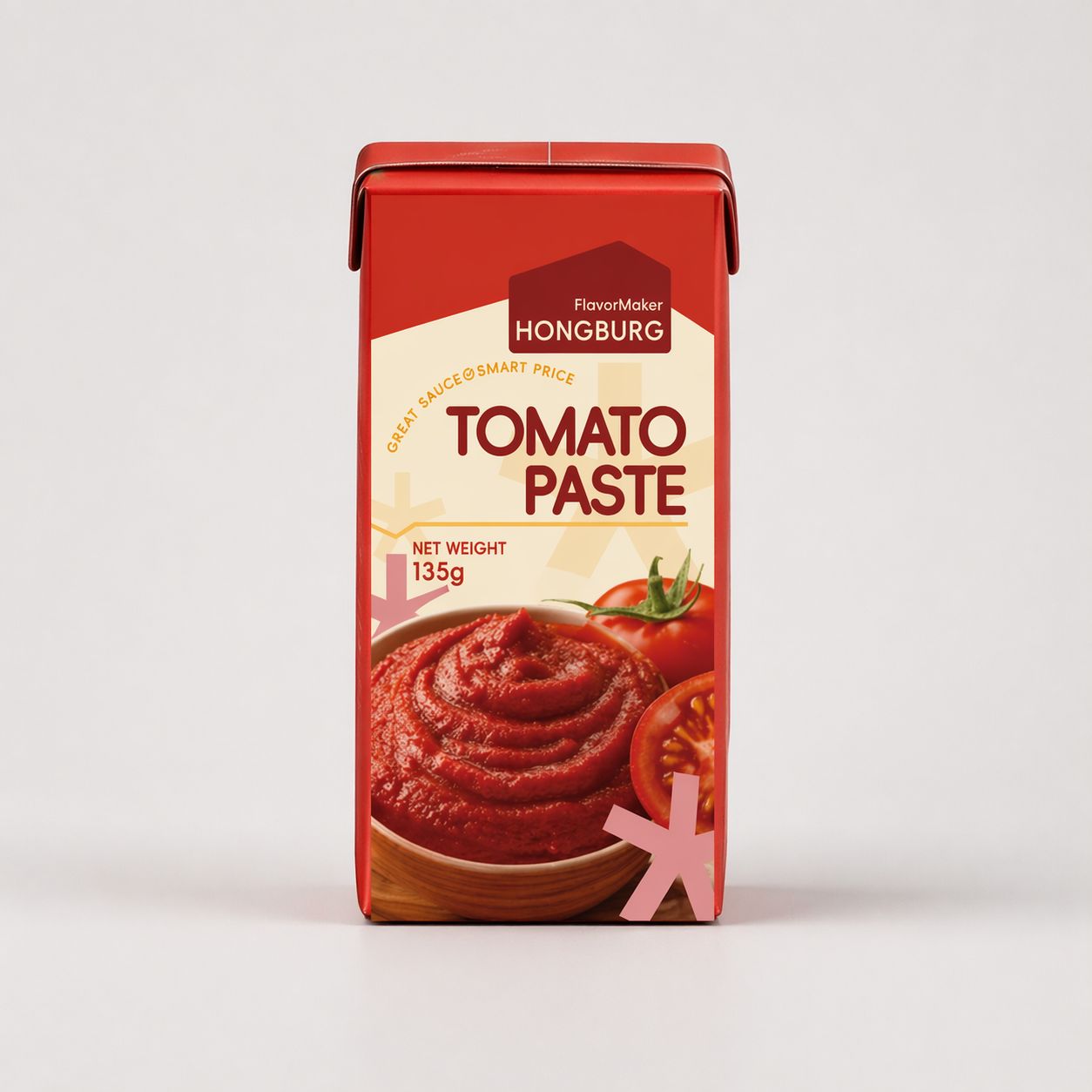
Aseptic tomato paste isn't just about keeping the product shelf-stable—it changes how the paste behaves in recipes and processing lines. The rapid heating and cooling cycle preserves more of the natural pectin and cell structure than traditional hot-fill methods. That means the paste holds its body and doesn't break down into a watery separation when you add it to sauces, soups, or stews.
Another difference shows up in color and flavor. Because the paste spends less time exposed to high heat, the bright red hue stays closer to fresh tomatoes, and the taste keeps a sharper, fruitier edge instead of drifting toward a cooked, muddy profile. This is especially useful in products where tomato is the star, like pizza sauces or Bloody Mary mixes.
From a production standpoint, aseptic processing also shifts the packaging timeline. The paste can be filled into sterile bags or drums and stored at ambient temperature without losing quality, which gives manufacturers more flexibility in scheduling and reduces the need for frozen or refrigerated storage. It's a quieter advantage, but one that affects everything from freight costs to how long a batch waits before it reaches the kettle.
Why Oxygen Is the Real Threat to Fresh Tomato Flavor
Fresh tomato aroma owes much of its punch to a cluster of volatile compounds that form the moment the fruit is sliced or bitten. Those compounds, especially the grassy, green notes, are only truly stable in low-oxygen environments. Once air reaches the torn cell walls, oxidative enzymes get busy and start dismantling the very molecules that make a tomato smell like a tomato. The effect is quick, subtle, and rarely noticed until the flavor has already flattened.
The problem isn't only about losing a few aromatics. Oxygen also degrades delicate esters and aldehydes, shifting the balance from bright and fresh toward dull and slightly stale. That's why a tomato left cut-side down or exposed to air for even a short while can taste noticeably less alive. It hasn't rotted or become unsafe; it has simply lost the volatile edge that gives the fruit its identity.
Cold Processing That Keeps Tomato Notes Intact
Heat has a way of turning even the brightest tomato into something soft, sweet, and a little tired. Cold processing works in the opposite direction. The fruit is handled at temperatures low enough to slow enzymatic and oxidative changes, so the aromatics that make a tomato smell like a tomato never get the chance to burn off or collapse into cooked-jam territory. What remains is the kind of clarity you usually only get from slicing one straight out of the field.
That clarity shows up as a distinct snap in the nose, part crushed leaf, part wet stone, with a zip that sits high on the palate. Those are fragile impressions. Expose the pulp to even moderate heat and they flatten into a generic red sauce note. Cold processing holds onto them without forcing the flavor into anything artificial. It simply leaves the tomato's own architecture intact, variety by variety.
The payoff is most apparent in a cold-pressed tomato water or a mixer built around fresh tomato juice. Instead of a cooked, weighted body, you get a leaner, sharper structure. The acidity stays pointed, the finish stays clean, and the whole thing feels more like walking through a greenhouse in August than opening a can.
Longer Shelf Life Without the Dull Cooked Edge
Freshly cooked proteins usually start losing their visual appeal within hours, and the first place it shows is at the edges. That telltale grey-brown rim doesn't always mean the product is spoiled, but it makes people hesitate. The challenge has always been preserving shelf life without sacrificing that just-prepared look. This approach focuses on the edge itself, not just the package.
By managing moisture and oxygen exposure at the surface, the cooked layer keeps its natural color longer. Instead of relying on heavy additives or overcooking to force stability, the process protects the exposed fibers where oxidation sets in first. The result is a product that holds up through distribution and still looks sliced fresh when it reaches the kitchen.
That distinction matters in busy foodservice settings and retail deli cases alike. Longer shelf life rarely matters if the product appears tired or grayed before it is even used. Keeping the edge clean and bright means less daily discard, better plate presentation, and a more honest visual cue for freshness.
The Difference You Notice at First Spoonful
The first spoonful rarely announces itself with noise. It sits on the tongue long enough for the texture to separate from the temperature, and that is where the gap shows. A slower simmer leaves a roundness that thinner versions can't fake; you feel it around the edges of the spoon before the flavor even arrives.
Then the taste unfolds in layers rather than one flat hit. There is the initial sweetness or salt, a quiet middle note from herbs or roasted bases, and a finish that lingers without turning sharp. If you have to search for the difference, it usually isn't there. When it is, you stop comparing and just finish the bowl.
FAQ
It is processed quickly at high heat and sealed in sterile packaging, so the tomato solids are not cooked as long or as heavily as in many cans. That shorter heat exposure leaves more of the bright, just-picked flavor in the paste.
The paste moves through a rapid heating and cooling cycle before being packed in a sterile environment. Because the fruit spends less time under heat, delicate flavor compounds and natural acidity survive better.
No. The sterile packaging and sealed environment do the preserving, so there is usually no need for added preservatives. The ingredient list tends to be very short, often just tomatoes.
Unopened packages typically stay stable at room temperature for months, often up to a year or more depending on the brand. Once opened, it should be refrigerated and used within a week or two.
Yes. It works in sauces, stews, braises, soups, and anywhere tomato paste is called for. Some cooks find it blends more easily because the texture is smooth and concentrated without a tinny edge.
Gentle, fast processing keeps more volatile aroma compounds intact. Those compounds are the same ones that make a ripe tomato smell and taste fresh, and they tend to break down with longer cooking.
Transfer any unused portion to a clean, sealed container and keep it in the refrigerator. Use it fairly soon for the best flavor, and avoid leaving the package open at room temperature.
Often yes. It comes in pouches, cartons, tubes, or small single-use packs, which makes it easier to use a little at a time without wasting the rest.
Conclusion
Most cooks assume a can of tomato paste will always carry the bright, sun-ripened character of the fruit it came from. Yet standard hot-filled paste often loses that spark before the jar is even opened, picking up a quiet, cooked-down flatness. The culprit is oxygen exposure during high-heat processing, not age alone. Aseptic tomato paste sidesteps this by separating sterilization from filling: the paste is flash-heated and cooled rapidly, then packed into sterile containers under conditions that keep oxygen out. Because the tomato solids are never held at high temperature for long stretches, the volatile compounds behind fresh, grassy, and fruity notes stay intact instead of being boiled away.
The result is not just a longer shelf life but a cleaner flavor line at the first spoonful. You get the natural sweetness and acidity of ripe tomatoes without the dull, caramelized edge that often clings to conventional paste. Cold processing after the initial flash step preserves delicate top notes, so the paste works more like a starting point for fresh tomato taste than a background thickener. That difference shows up in quick pan sauces, soups, and braises, where the tomato flavor remains distinct and lively rather than fading into the background.
Contact Us
Contact Person: Peter Song
Email: [email protected]
Tel/WhatsApp: +86 18920189778
Website: https://www.hongburg.com