
Bag Hardware Supplier: What to Ask Before Placing Your First Order
2026-11-24
Sourcing bag hardware for the first time can feel like a leap of faith. Photos and prices only tell you so much, and the real differences show up later—in zippers that jam, finishes that fade, or orders that arrive off-spec. Asking the right questions early can save you from costly mistakes. This guide covers what to check before committing, and why working with a supplier like Kingming makes those answers easier to trust.
Will the finish survive daily use, or fade after a few months?
Most finishes start showing their weaknesses at the edges and anywhere your hands rest repeatedly. This one wears more evenly, with faint micro-scratches appearing in the same places you would expect on a well-used phone case or tool handle. The color layer does not sit on top as a soft film, so daily contact tends to dull the sheen slightly instead of rubbing the pigment away.
Fading is more likely to come from long sun exposure than from ordinary handling. After several months near a bright window, you may notice the tone relax a little, but it does so gradually and without leaving lighter patches around the edges. A quick wipe with a damp cloth removes most oils and dust without pulling any color onto the cloth.
If you are hard on gear and expect scuffs, the finish will show those honestly rather than flaking. Small impact marks stay close to the surface, and the overall color remains consistent even where the sheen has changed. That kind of aging is easy to live with because it looks like normal use, not product failure.
How flexible is the minimum order when you're testing a new design?
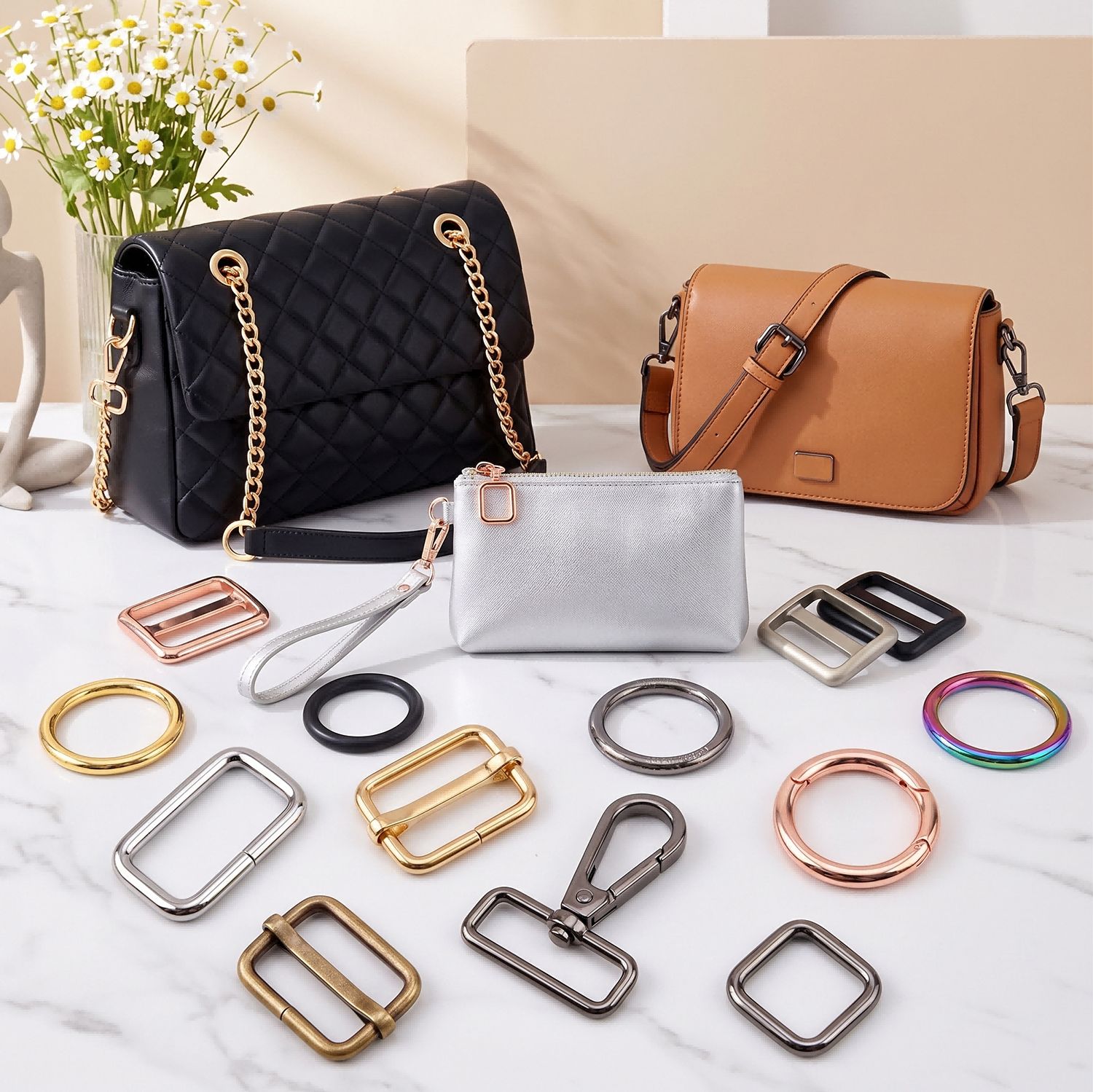
New designs rarely arrive fully formed, and committing to a large production run before you've seen how the piece performs can feel like a gamble. We keep the opening order small enough for you to test real demand without tying up cash in stock that might not move. For most new styles, the minimum quantity can drop well below our standard tier, and we'll walk through material availability and production setup before agreeing on a number.
There's no fixed rule here because a printed textile, a cast metal part, and a stitched leather item all carry different setup costs. Tell us what you're trying to validate, and we'll shape the first run around that. If the design changes after sampling, we can usually adjust the quantity before cutting begins, so you're not locked into an order that no longer matches the product.
Once the design proves itself, scaling up is straightforward. The initial smaller run gives us time to refine fit, finish, and packaging without the pressure of a huge inventory commitment. From there, reorders can move to more efficient quantities as your confidence in the design grows.
What actually shows up in a pre-production sample?
A pre-production sample rarely looks like the finished item. The fabric might be a close substitute, thread colors can be slightly off, and trims often come from whatever the factory has on hand. Stitching may be uneven, the fit can feel a little stiff, and small details like branded labels or final packaging are usually absent. These samples are built to reveal problems, not to look ready for a shelf.
What does appear is the core structure: main panels, basic seams, pocket shapes, and the general silhouette. You might notice that buttons are unfinished, drawstrings are not final, or the lining has been swapped for a cheaper stand-in. Colors can shift as well, since small dye lots rarely match bulk standards exactly.
The real value is in the flaws you can spot before production starts. A seam that pulls under movement, a collar that sits too flat, a pocket placed too high—these show up early if you look past the rough finish. Treat it as a working draft, not a product photo.
Who covers the cost when a batch arrives with scratched zipper pulls?
Responsibility usually depends on when the damage is spotted and what the purchase order states. If the scratched pulls are found during incoming inspection before the goods are accepted, the supplier or factory is generally expected to cover replacement or offer a price adjustment, since the batch did not arrive in the agreed condition.
When the marks are noticed after the shipment has been signed for, the situation gets harder to settle. The buyer may need to show that the scratches were not caused after delivery, using photos, inspection records, and the exact quality terms in the contract. Carriers and forwarders usually take responsibility only if the outer cartons show clear damage; surface marks on zipper pulls are more often treated as a manufacturing defect.
Sometimes buyers absorb the cost themselves because returning the batch costs more than replacing a few pulls locally. In other cases, the supplier covers a repair run or sends replacement sliders. A clear quality clause is what keeps this from turning into a long dispute.
Can they match an existing logo plate without charging for new tooling?
Matching an existing logo plate often comes down to whether the manufacturer already has the required die, mold, or cutting file on hand. If the plate dimensions, corner radius, material thickness, and mounting method line up with a stock or previously used setup, many shops will run it without adding a tooling charge. The clearer the drawing or sample you provide, the faster they can check their existing inventory before quoting.
Things get more complicated when the original plate has an unusual shape, recessed graphics, or a custom finish that falls outside standard production files. In those cases, matching the look may still be possible, but a one-time setup fee can appear if new fixtures or etching masks are required. It is worth asking the supplier to separate tooling costs from unit pricing so you can see exactly what you are paying for and why.
A reliable way to avoid surprise charges is to send a photo and exact measurements early in the conversation. That gives the manufacturer enough detail to confirm whether the plate can be produced on existing tooling or whether a small adjustment is needed. Some will absorb minor setup work into the per-piece price, especially on larger orders, while others prefer to list it as a separate line item.
Where do surprise freight and packaging fees usually hide?
Freight charges rarely announce themselves on the product page. You might see a tempting unit price, only to hit checkout and find a line item called "handling" or "logistics service" that doubles the cost. Smaller vendors often slip these fees into the final cart view, after you have already entered payment details, which makes the extra amount easy to miss when comparing totals across shops.
Packaging fees tend to appear in two familiar spots: during order confirmation for bulky or fragile items, and inside business-to-business quotes where "crate" or "pallet" charges are listed separately from the base price. Some marketplaces fold a small packaging surcharge into shipping, while others wait until the invoice stage. If the item description mentions custom dimensions or special cushioning, expect the real packaging cost to show up later rather than in the advertised price.
Another hiding place is the discount section. A heavily marked-down product can carry a higher packaging fee that quietly offsets the savings, especially on clearance stock or oversized inventory. Before approving payment, scan the line items for words like "carton," "dunnage," "protective wrap," or "freight surcharge." These terms often reveal costs that were never part of the headline number.
FAQ
Most suppliers carry standard finishes like polished nickel, antique brass, and matte black. If you need an exact match, sending a physical swatch or a Pantone reference is the fastest way to see if they can plate or coat to your target. Ask for a pre-production sample before committing to the full batch.
Stock parts usually ship within a few days to two weeks, depending on quantity. Custom items add time for mold making, plating, and quality checks, so expect anywhere from three to six weeks. Confirm whether the supplier counts lead time from deposit receipt or from final sample approval.
Yes, many bag hardware items can be made from zinc alloy, brass, or stainless steel. Zinc alloy is common and cost-effective but may be more brittle, while brass and stainless steel hold up better for high-stress parts like clasps and buckles. Ask which base metal is used for the exact item you're ordering.
A reliable supplier should inspect dimensions, plating thickness, color consistency, and functional parts like zipper pulls and magnetic snaps. Ask if they provide an inspection report or allow a third-party check for larger orders. Clarify how they handle units that fall outside the agreed tolerance.
MOQs often apply per style and finish, not per total order. Some suppliers allow a combined quantity across finishes if the base item stays the same, while others do not. Get this in writing because it changes your upfront cost significantly.
A confident supplier should be able to share client references or examples of past production runs. If they hesitate, that is a signal to dig deeper. Ask specifically about projects involving the same product category, such as handbag frames, straps, or small leather goods.
Common terms are a deposit before production and the balance before shipping. Make sure the agreement states how replacements, refunds, or credits work for defective or missing pieces. A clear written policy protects you more than a verbal promise.
Some suppliers will warehouse finished goods and ship in stages if you have limited storage or a rolling production schedule. Clarify whether storage fees apply and how long they will hold inventory before charging. This helps when your own production runs are uneven.
Conclusion
Before placing a first order with a bag hardware supplier, most of the risk sits in details that never show up on a polished catalog page. Ask directly how the finish holds up under daily abrasion, humidity, and repeated handling, because a cheap electroplating job can look flawless for six weeks and then dull or flake. The same caution applies to minimums. A supplier that insists on a rigid production run rarely fits the reality of launching a new design; you need someone willing to shorten the first batch or split a test order while you gather real feedback. Insist on seeing a pre-production sample that includes actual zippers, buckles, rivets, and logo plates in their intended finish, not just a generic swatch, and clarify what happens if a later batch shows scratched zipper pulls. The answer should name who pays for replacement parts or freight, not just promise a vague “we will solve it.”
Logo work is another common trap. If you already have a metal plate or embossed mark, ask whether the supplier can match it using existing tooling or whether you will be billed for new molds, setup, and proofing. A strong supplier will show you how they plan to hit the same depth, edge, and finish before quoting extra costs. Finally, go through the quote line by line with an eye toward freight, packaging boxes, inner wrapping, palletizing, and any local handling charges. These items often appear only after the order is confirmed, turning a decent unit price into a much thinner margin. Get the full landed cost in writing, including who arranges the forwarder and who is responsible for damage in transit. When the supplier answers these questions clearly, the first order becomes a controlled test rather than a gamble.
Contact Us
Contact Person: Jamie Zeng
Email: [email protected]
Tel/WhatsApp: +86 13728219269
Website: https://www.kmhardware.com