
Best Folding Door Solutions for Stylish Space-Saving Interiors
2026-07-12
Imagine a home where every inch works beautifully, adapting to your life without sacrificing style. That’s the magic of folding doors—and when it comes to the best folding door solutions for stylish, space-saving interiors, NORTON is rewriting the rules. These aren't just partitions; they're transformative design elements that make tight corners feel expansive and everyday living effortlessly elegant. Curious how the right fold can change everything? You’re about to discover interiors that breathe, flex, and inspire.
Transform Tiny Rooms with Effortless Fold-Away Panels
Fold-away panels slip into the wall like a secret, carving out new possibilities in cramped spaces. When you tug them closed, they create instant privacy or divide a room, and when they vanish, you’re left with an unbroken sense of openness. It’s the kind of clever trick that makes a studio apartment feel generous or a shared kids’ room suddenly functional, without permanent walls stealing precious square footage.
The mechanism itself feels almost weightless—a gentle glide that locks into place with a reassuring click. Whether you opt for frosted glass, warm wood veneer, or a chalkboard surface, these panels adapt to your rhythm. One moment you’re hosting a dinner party with hidden clutter; the next, you’re tucked into a cozy reading nook, surrounded by quiet.
Beyond the obvious space savings, fold-away panels shift how you live. They invite flexibility, so a corner can morph from a guest bed to a yoga retreat to a playroom without heavy lifting. It’s less about trickery and more about designing a home that bends to your day, not the other way around.
Sleek Designs That Disappear When You Need More Space
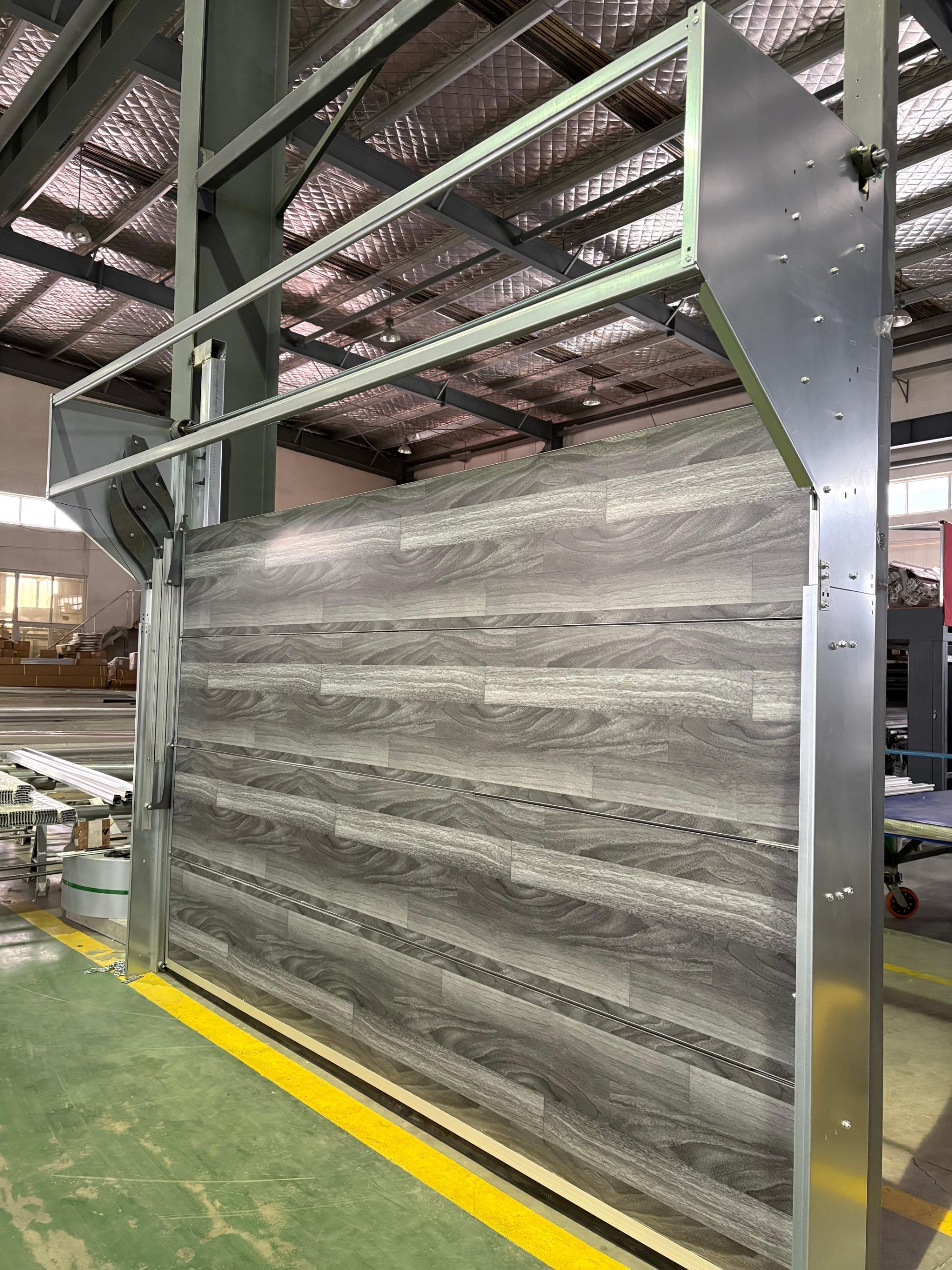
Living in a compact home often means making tough choices, but what if your furniture could simply vanish when you don’t need it? That’s the beauty of designs engineered for effortless concealment. Picture a wall-mounted desk that folds flush against the wall, taking up no more room than a picture frame when closed. Or a bed that tucks seamlessly into a cabinet, transforming your bedroom into a spacious home office within seconds. These aren’t just space-savers—they’re subtle acts of magic in your daily routine.
The real genius lies in the details that let furnishings slip out of sight without sacrificing style. Think handle-free surfaces, soft-close mechanisms, and finishes that match your existing decor so closely you’ll forget they’re even there. A mirror that swivels to reveal hidden storage, a coffee table with a lift top that hides your work clutter, or slim console tables tucked behind sofas that emerge only for dinner parties. Each piece works quietly in the background, waiting for the moment you need just a little more breathing room.
What makes these designs truly livable is how naturally they fold into your habits. There’s no wrestling with complicated hardware or awkward configurations—just intuitive moves that feel second nature. You pull, flip, or slide, and suddenly your room reshapes itself. Over time, you’ll find the transformation so effortless that the boundary between furniture and architecture starts to blur. That’s when you realize the best design isn’t about what you see, but about all the possibilities it quietly makes room for.
Customizable Options for Unique Open-Plan Layouts
Open-plan living doesn't have to mean a one-size-fits-all space. With thoughtful customization, you can carve out distinct zones that reflect your daily rituals. Sliding partitions, for instance, let you tuck away a home office when guests arrive, while modular shelving systems act as subtle room dividers that still invite light to wander through. Every choice — from the placement of a rug to the height of a plant stand — can shape how a room feels and functions without walls getting in the way.
Material and finish options further personalize these airy layouts. Instead of defaulting to matching sets, mix wood tones, soft textiles, and matte metals to define areas naturally. A cozy reading nook might cocoon you with a warm oak armchair and a textured throw, while a few steps away, a sleek marble-topped island anchors the kitchen zone. These tactile contrasts guide movement and conversation, making the openness feel intentional rather than accidental.
Lighting plays a quiet but powerful role in customizing open spaces. Rather than flooding the entire area with uniform brightness, layer pendants, floor lamps, and dimmable sconces to spotlight your favorite corners. A cluster of low-hanging lights above the dining table creates intimacy during meals, while track lighting can highlight artwork or an accent wall. This approach lets the room adapt from a bright, energetic morning mode to a softer, more intimate evening atmosphere — all driven by your own preferences.
Modern Materials That Redefine Room Dividers
Gone are the days when a room divider meant a flimsy folding screen or a heavy drape. Today’s interiors demand materials that not only delineate space but also add texture, light, and a touch of the unexpected. Think beyond wood and fabric—modern dividers embrace everything from translucent resin panels that catch the afternoon sun to laser-cut metal screens that cast intricate shadows. These materials aren’t just functional; they’re sculptural, turning a simple partition into a focal point that changes throughout the day.
One standout is lightweight concrete, which has shed its industrial roughness for a refined, tactile finish. It can be cast into delicate geometric patterns or combined with glass fiber for a thinner, almost ethereal profile. Then there’s recycled plastic, transformed into colorful, interlocking modules that filter light and sound while telling a sustainability story. For a softer take, felt made from recycled PET bottles offers acoustic benefits and a cozy, handcrafted feel that warms up any open-plan area. Each material brings a distinct personality, letting you tailor the divider to the room’s mood—whether it’s a serene home office or a lively retail space.
What really sets these dividers apart is their ability to blur boundaries. A shelving unit made of thin, powder-coated steel becomes a living wall when filled with trailing plants. A partition of translucent alabaster-like acrylic glows softly from within, creating moments of privacy without sacrificing openness. Even metal mesh, once purely utilitarian, now comes in weaves and finishes that recall fine jewelry. By choosing materials that engage the senses—visually, tactilely, even acoustically—you transform a room divider into an experience, proving that separation doesn’t have to mean isolation.
Create Flowing Interiors Without Sacrificing Style
Designing an open, flowing interior isn’t about removing walls alone—it’s about choreographing how light, air, and movement weave through your home. Start by evaluating the sightlines from key vantage points: the moment you step through the front door, what do you see, and where does your eye travel? A continuous flooring material, like wide-plank oak or polished concrete, can erase visual boundaries between rooms, while a restrained palette of neutral tones lets the architecture breathe without feeling stark. The goal is a gentle current that draws you from one zone to the next without abrupt interruptions.
Flow doesn’t mean every space must look identical. Introduce texture and subtle shifts in ceiling height, wall curvature, or built-in joinery to signal a change in function while preserving the sense of continuity. A low-slung bookshelf can separate living and dining areas without blocking light, while a curved archway or a slatted screen offers a softer transition than a conventional door. If you crave pockets of intimacy, consider partial dividers that maintain visual connection—think fluted glass, woven panels, or even a double-sided fireplace that acts as a warm anchor point without closing off the room.
Furnishings play a pivotal role in maintaining flow while injecting personality. Choose pieces with slim profiles and legs to keep sightlines open, and arrange them to encourage conversation rather than dictate fixed positions. Anchor groupings with rugs that define zones without creating visual barricades, and use lighting as an invisible thread: a series of pendant lights can guide you through an open-plan space, their warm glow subtly suggesting the path. Ultimately, the most successful flowing interiors feel effortless because every element—from the curve of a sofa to the placement of a mirror—works in concert to invite movement and discovery, all without compromising on the style that makes the space unmistakably yours.
Smart Solutions for Seamless Indoor-Outdoor Transitions
Creating a fluid connection between your interior and exterior spaces isn't just about wide-open doors—it's about thoughtful design that blurs the line between comfort and nature. Modern motorized sliding systems, for instance, can recess entirely into the walls, giving you an unobstructed panorama when the weather’s right. Pair these with consistent flooring materials that run from the living area right out to the patio, and you’ll fool the eye into seeing one continuous zone. Add a weather sensor that triggers the panels to glide shut when rain starts, and you’ve got a space that adapts without you lifting a finger.
Lighting plays a sneaky-big role in making the transition feel natural. Instead of harsh floodlights that scream ‘you’re outside now,’ try warm, dimmable LED strips tucked into pergola beams or along step risers—they echo the cozy glow of your interior fixtures. Smart bulbs can be programmed to shift in color temperature throughout the day, mimicking indoor ambiance as dusk falls. And don’t overlook the power of a well-placed awning or cantilevered roof with integrated heating and misting systems; they not only shield you from the elements but also extend the usable season, making the outdoor room feel just as curated as your living room.
Finally, tie it all together with intuitive controls. A single app or voice command should let you adjust the louvers, lower the screens, and fine-tune the music or landscape lighting—effortlessly. The goal is to make the outdoor area feel like a natural extension of your home’s rhythm, not an afterthought. Whether you’re hosting a summer dinner or curled up with a book under a heat lamp in October, the right blend of automation and design transforms your threshold into a living, breathing part of your daily life.
FAQ
Folding doors are a game-changer for tight spaces. They neatly tuck away to one side, freeing up floor area that a traditional swing door would claim, and they let in abundant natural light, making the room feel larger and more open. Plus, they're flexible — you can partially open them for a gentle breeze or fully for an indoor-outdoor flow.
Absolutely. They're perfect for carving out a private nook when you need it, like a temporary home office or a cozy reading corner, without losing the airy, connected vibe when you want the space wide open. You get the best of both worlds without permanent walls.
Wood offers warmth and a classic look but needs periodic sealing. Aluminum frames are slim, strong, and low-maintenance, ideal for a contemporary edge. Glass panels — often paired with aluminum — flood rooms with daylight and come in frosted or clear options to balance privacy and visibility.
A quick wipe of the tracks every few weeks keeps grit from building up. A silicone-based lubricant on the hinges and rollers, applied sparingly, prevents squeaks and sticking. No complicated rituals — just a little attention now and then, and they glide effortlessly for years.
Modern ones can be. Look for doors with thermal breaks in the frames and double or triple glazing. Proper weatherstripping around the panels seals out drafts, so you aren't sacrificing comfort for style — they can help keep heat in during winter and out during summer.
Choose a bold frame color — dark bronze or matte black against light walls draws the eye. Opt for panels with narrow stiles for a sleeker silhouette, or use mirrored glass inserts for a touch of glamour. Even the hardware, like standout handles or hinges, can turn the door into a statement piece.
Conclusion
Folding doors have quietly revolutionized the way we think about interior space, offering a blend of practicality and elegance that few other design elements can match. In compact apartments or rooms where every square foot counts, these panels fold away almost magically, collapsing against the wall to free up floor area and create an uninterrupted flow. The beauty lies not just in their space-saving mechanics but in their ability to vanish when not needed—sleek, slim profiles that tuck neatly away, leaving no visual clutter. Whether it’s a home office that transforms into a guest room or a pantry hidden behind a flush accordion system, the result is a room that breathes and adapts to your life without ever feeling cramped. Modern materials like frosted glass, lightweight aluminum, and sustainable wood composites have elevated these dividers beyond mere barriers; they now contribute to the aesthetic, diffusing light or adding texture while maintaining an airy feel. And because every home layout is unique, customization is key—you can choose the number of panels, the direction of fold, and even integrate pocket systems for a completely open transition.
Beyond interior versatility, today’s folding door solutions excel at connecting inside and outside with effortless grace. Imagine opening an entire wall onto a patio or garden, the panels stacking to the side like a concertina, dissolving the boundary between your living room and the fresh air. This seamless indoor-outdoor transition isn’t just about space; it’s about crafting a lifestyle where nature becomes part of your daily backdrop. Yet, even as these doors expand possibilities, they never compromise on style. Hardware is minimal, tracks can be recessed into the floor, and finishes range from matte black to brushed brass, ensuring they complement rather than dominate your décor. From corrugated felt partitions that absorb sound in a studio to tri-fold glass doors that frame a mountain view, the solutions are as varied as the spaces they serve. In the end, folding doors are more than functional—they’re a quiet statement about how a home should feel: open, bright, and endlessly flexible.
Contact Us
Contact Person: Cyril He
Email: [email protected]
Tel/WhatsApp: 8613969697307
Website: https://cqyqgd.en.alibaba.com/