
Best Laser Therapy for Rhinitis: A Guide to Long-Lasting Relief
2026-05-22
Struggling with persistent rhinitis and tired of temporary fixes? Laser therapy is emerging as a game-changing solution for lasting relief. In this guide, discover how advanced laser technology targets the root cause, reducing inflammation with precision. Leading the innovation is GUANG TAI, offering cutting-edge devices designed for effective, non-invasive treatment. Read on to explore the best laser therapy options and reclaim your comfort.
How Light Waves Calm the Nasal Chaos
When your sinuses feel like a battleground of pressure and congestion, the idea of using light to settle things down might sound a bit out there. But specific wavelengths, particularly in the red and near-infrared spectrum, have a knack for penetrating tissue and nudging cellular behavior in a more orderly direction. They don’t blast through blockages; instead, they work subtly, prompting nasal tissues to dial back the inflammatory signals that turn a simple breath into an effort.
Think of it less as a zap of energy and more like a nudge to the mitochondria—the tiny power plants inside cells. When these wavelengths hit, they can help cells produce more ATP, the fuel that drives repair and soothes irritation. In the nose, that means less swelling of the mucosal membranes, which are often the culprits behind that stuffed-up feeling. Over time, this gentle prodding can help the nasal passages regain a more natural rhythm, reducing the chaos without the harshness of chemical sprays.
Light doesn’t fight fire with fire; it simply encourages the body’s own balancing act. For many, the result is a quiet kind of relief—less reactive sneezing, a gradual opening of the airways, and a sense that the internal storm has been pacified. It’s a slow, cumulative effect, far removed from instant fixes, but all the more appealing for those tired of the cycle of congestion and medication.
Why Pills and Sprays Often Fall Short
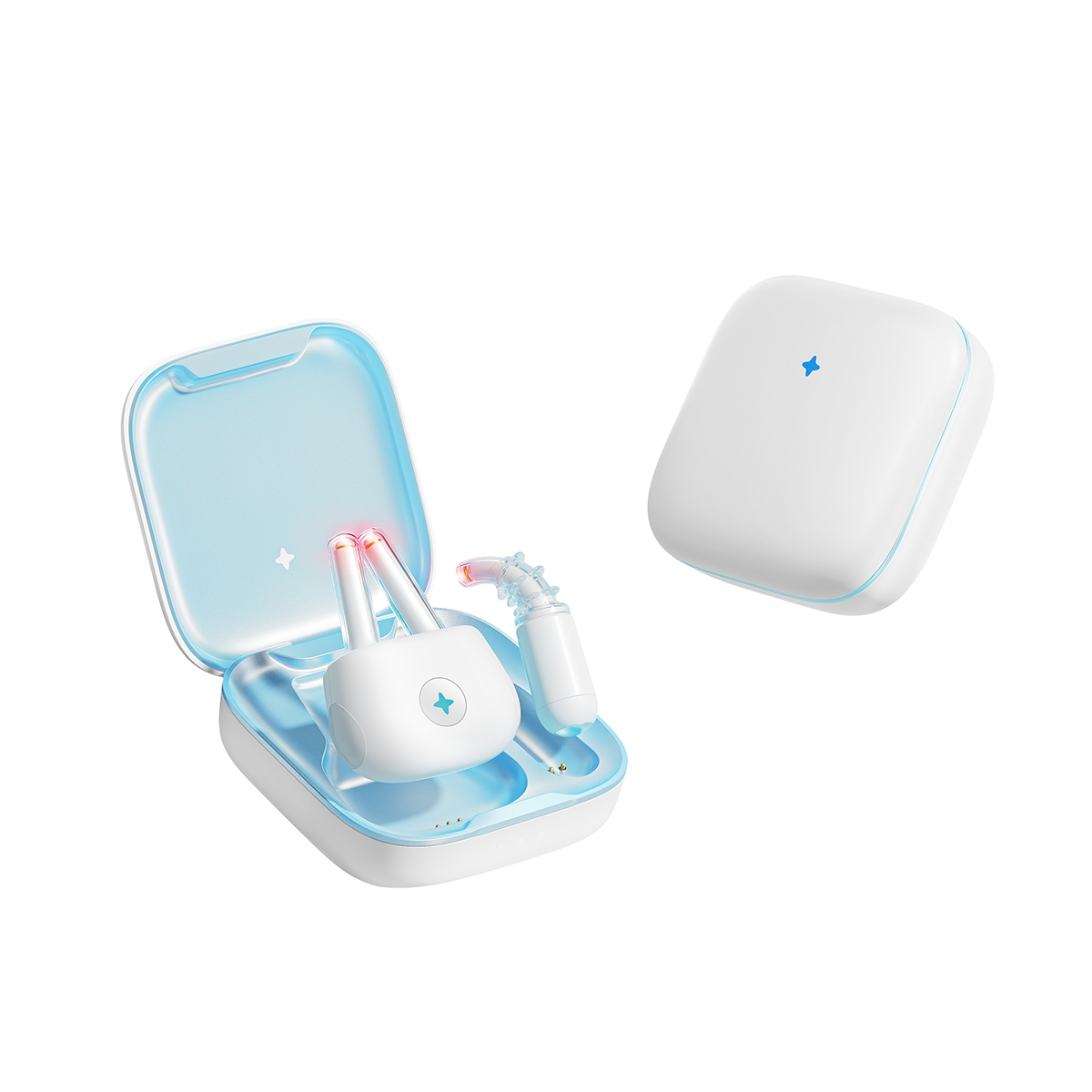
Swallowing a pill sends it on a long journey through your digestive system, where stomach acids and liver enzymes break down much of the active ingredient before it even reaches your bloodstream. This first-pass metabolism can leave you with a fraction of the intended dose, meaning you might not feel the full effect. It’s a bit like pouring water into a leaky bucket—no matter how much you start with, only a little actually gets where it needs to go.
Sprays promise a faster route by bypassing the gut, but they come with their own set of hurdles. The thin lining of your nose or mouth can only absorb so much at once, and anything extra often gets swallowed or drips away. Environmental factors like a runny nose or dry mouth can also throw off absorption, making each dose feel like a guessing game.
Both methods share a common flaw: they treat the body like a simple tube rather than a complex, dynamic system. Pills hit you slowly and unpredictably, while sprays offer a brief window of effect that fades fast. The end result is often a cycle of taking more, sooner, chasing relief that never quite lands.
What Really Happens During a Session
Many people imagine a coaching session to be a formal affair full of rigid exercises and scripted advice. In reality, it unfolds much more like a focused conversation where you’re both the subject and the guide. The coach doesn’t hand you a to-do list—instead, they create a space where you can untangle your own thoughts, often leading to insights that feel unexpectedly natural.
Sessions often start with a simple check-in, but this quickly becomes a deep dive into whatever feels most alive for you that day. The coach listens for patterns you might not see, asks piercing questions, and sometimes lets silence do the work. It’s less about finding quick answers and more about revealing the underlying stories that shape your choices—stories you may not even realize you’ve been telling yourself.
By the end, there’s no magic fix or dramatic transformation—just a clearer sense of direction and a few concrete shifts in perspective. You might leave with a new way to handle an old challenge or simply feel lighter. The real work happens between sessions, when those subtle realisations quietly reshape how you show up in your life.
The Surprising Durability of Results
We often assume that early gains from a new habit or strategy will fade quickly, but real-world observation tells a different story. Many benefits persist far longer than logic would predict, almost as if the initial effort sets off a slow-burning chain reaction. A morning jog not only improves your fitness for the day—it can subtly rewire your energy levels for weeks, even if you skip a few sessions.
This durability is partly explained by the way our systems latch onto positive feedback loops. Once a result is embedded—whether it’s a cleaner workspace or a calmer mindset—it becomes self-reinforcing. The environment itself starts to support the change, making regression surprisingly difficult.
Perhaps most fascinating is how this principle applies across domains: a well-structured meeting can elevate team communication for months, and a single deep conversation can reshape a relationship permanently. The longevity of results isn’t just about discipline; it’s about initial impact creating its own momentum.
Stories from Those Who Breathed Easy Again
It starts with a moment you almost don't believe—a deep inhale that doesn't catch, a chest that doesn't tighten. Mia, a lifelong asthmatic, remembers standing on a mountain trail three months after a new treatment, realizing she hadn't reached for her inhaler all day. The view was breathtaking, but it was the breath itself that brought tears to her eyes. She sat on a rock, letting the thin air fill her lungs completely, without the familiar wheeze or the tight band of anxiety squeezing her ribs. That single, unlabored breath rewrote her story.
James thought he’d never sleep through the night again. Years of apnea left him exhausted, tethered to a noisy CPAP machine that his wife said sounded like a freight train in their bedroom. After an airway-stabilizing procedure, the first full night of silence felt like a miracle. He woke up without a headache, without the fog, and watched the sunrise with a clarity he hadn't experienced in decades. “I forgot what rested felt like,” he murmured, holding a cup of coffee on the porch, listening to birds instead of his own choked gasps. The world suddenly seemed fuller, quieter, kinder.
For Priya, it was swimming with her grandchildren. Chronic sinusitis had stolen her sense of smell and forced her to breathe only through her mouth, making laps in the pool impossible. After a minimally invasive surgery, she plunged into the cool water one summer afternoon, exhaling bubbles through her nose for the first time in years. She burst up laughing, the sting of chlorine never felt so good. The kids splashed around her, unaware that their grandma had just reclaimed a part of herself—the simple, human joy of breathing easy, of tasting the air, of being present without a shadow of struggle.
Finding a Skilled Hand You Can Trust
When you're searching for someone to handle delicate work, whether it's a renovation, a custom piece, or a repair, it often feels like a gamble. Referrals from neighbors and local community boards can be goldmines—people are usually honest about their experiences when there's no agenda. I've found that asking to see a portfolio of past projects, especially ones similar to yours, speaks volumes. It's not just about the finished product; the way they talk about the challenges they overcame tells you if they're the real deal.
Credentials and certifications might look good on paper, but nothing beats a face-to-face conversation. Trust your gut when you meet them. Do they listen? Do they ask thoughtful questions, or are they just trying to sell you on the most expensive option? A true skilled hand respects your vision and is upfront about what's feasible. I once had a carpenter who gently steered me away from a trendy but impractical design—that honesty saved me money and headaches down the road.
Finally, consider how they handle unexpected hiccups. Perfection is rare, but accountability isn't. The right person for the job will own mistakes and communicate clearly without getting defensive. It's the small courtesies—showing up on time, cleaning up after themselves, and being patient with your questions—that separate amateurs from the trustworthy pros you'll want to call again.
FAQ
Laser therapy for rhinitis uses focused light energy to shrink swollen tissues inside the nose, specifically the inferior turbinates. The procedure, often called laser turbinoplasty, targets the soft tissue that becomes inflamed and blocks airflow. By applying controlled heat, the laser reduces the tissue volume while leaving the surface intact, helping to relieve congestion and make breathing easier without damaging the nasal lining.
The best candidates are people whose chronic nasal congestion stems from enlarged turbinates rather than allergies alone. If you’ve tried antihistamines, steroid sprays, or decongestants for months without lasting relief, and a specialist confirms turbinate hypertrophy, laser therapy might be worth considering. It’s also suitable for those who want to avoid more invasive surgery or prolonged downtime.
Results vary, but many patients experience clear benefits for a year or longer. Some see longer-term improvement—even permanent changes—especially when the underlying triggers are managed. A small percentage may need a repeat procedure after a few years if tissues gradually swell again, but overall it offers a durable solution compared to daily medication.
Side effects are generally mild and temporary. You might notice some nasal crusting, a feeling of dryness, or slight spotting for a few days. Rarely, there’s a chance of minor bleeding or infection. The technique avoids external incisions, so serious complications like altered sense of smell or structural damage are uncommon when performed by an experienced practitioner.
Medications often require ongoing use and may lose effectiveness over time, while traditional surgery removes more tissue and involves longer recovery. Laser therapy sits in the middle—it’s less aggressive than conventional surgery but more lasting than sprays or pills. The procedure takes about 15–20 minutes, usually in an office setting, with most people returning to normal activities within a day or two.
You’ll receive local anesthesia to numb the nasal passages, so the treatment itself is typically painless. The laser is applied in short bursts; you might feel slight warmth or pressure. Afterward, you’ll likely have some congestion and discharge for a few days while the tissues heal. Your doctor will probably advise using saline rinses and avoiding heavy exercise for about a week. The full effect becomes clearer once any post-procedure swelling subsides, usually within a couple of weeks.
Conclusion
Finding a lasting fix for rhinitis often feels like a losing battle, especially when pills and sprays only offer fleeting relief and leave you drowsy. The real game-changer begins when you understand how specific light waves can calm the chaos inside your nasal passages. Laser therapy works by delivering gentle, focused energy to the inflamed tissue, reducing swelling and interrupting the overactive signals that cause endless sneezing and congestion. It’s not just another quick fix—during a session, most people experience nothing more than a mild warming sensation, yet beneath that calm surface, the light is actually repairing the mucous membrane and restoring normal function. What really sets this approach apart is how the body continues to heal long after the initial treatment, leading to durability that surprises even long-time sufferers.
Beyond the science, the stories from those who’ve finally been able to breathe easy again reveal just how transformative it can be. They talk about sleeping through the night, exercising outdoors without fear, and rediscovering simple joys without a tissue in hand. But the key to such results lies in finding a skilled hand you can trust—someone who knows how to tailor the laser parameters to your unique condition, because not every nose responds the same way. By focusing on long-lasting relief rather than temporary masking, this therapy shifts the paradigm from managing symptoms to healing the actual source of the problem, offering a path forward that feels both sophisticated and deeply human.
Contact Us
Contact Person: Leon Yi
Email: [email protected]
Tel/WhatsApp: +86 17363316873
Website: https://zzgt.en.alibaba.com/