
Best Self Storage Unit Selection Tips for a Stress-Free Move
2026-07-31
Moving can be chaotic, but picking the right self storage unit shouldn't add to the stress. Whether you're downsizing or just need temporary space, a few smart choices can turn a headache into a breeze. Trust NORTON to guide you through the must-know tips that make all the difference—because a smooth move starts with storage that fits your life, not the other way around.
Match Unit Size to Your Belongings, Not the Price Tag
It's tempting to grab the cheapest unit you can find, but a bargain isn't a bargain if your stuff doesn't fit. Take an honest inventory before you commit. That dusty lamp from your aunt, the boxes of winter coats, the stack of old vinyl records—everything deserves a home, not a crammed corner where things get damaged. A slightly larger unit might cost a bit more each month, but it saves you the frustration of playing real-life Tetris every time you need to retrieve something.
On the flip side, don't pay for empty space you'll never use. Bigger isn't always better. If you're just storing a few sentimental items or off-season gear, a smaller unit makes sense. Pay attention to how you pack; efficient use of space can often let you downsize without squeezing. The goal is a unit that fits your life, not the price tag's promise of a deal.
Ultimately, the right size is about comfort and access. Can you walk in and reach that box at the back without a scavenger hunt? Will your furniture sit without stress on the walls or each other? Let your belongings dictate the square footage. Price matters, but it should be the second consideration—after you know what actually works for the things that matter.
Climate-Controlled Storage: More Than a Luxury
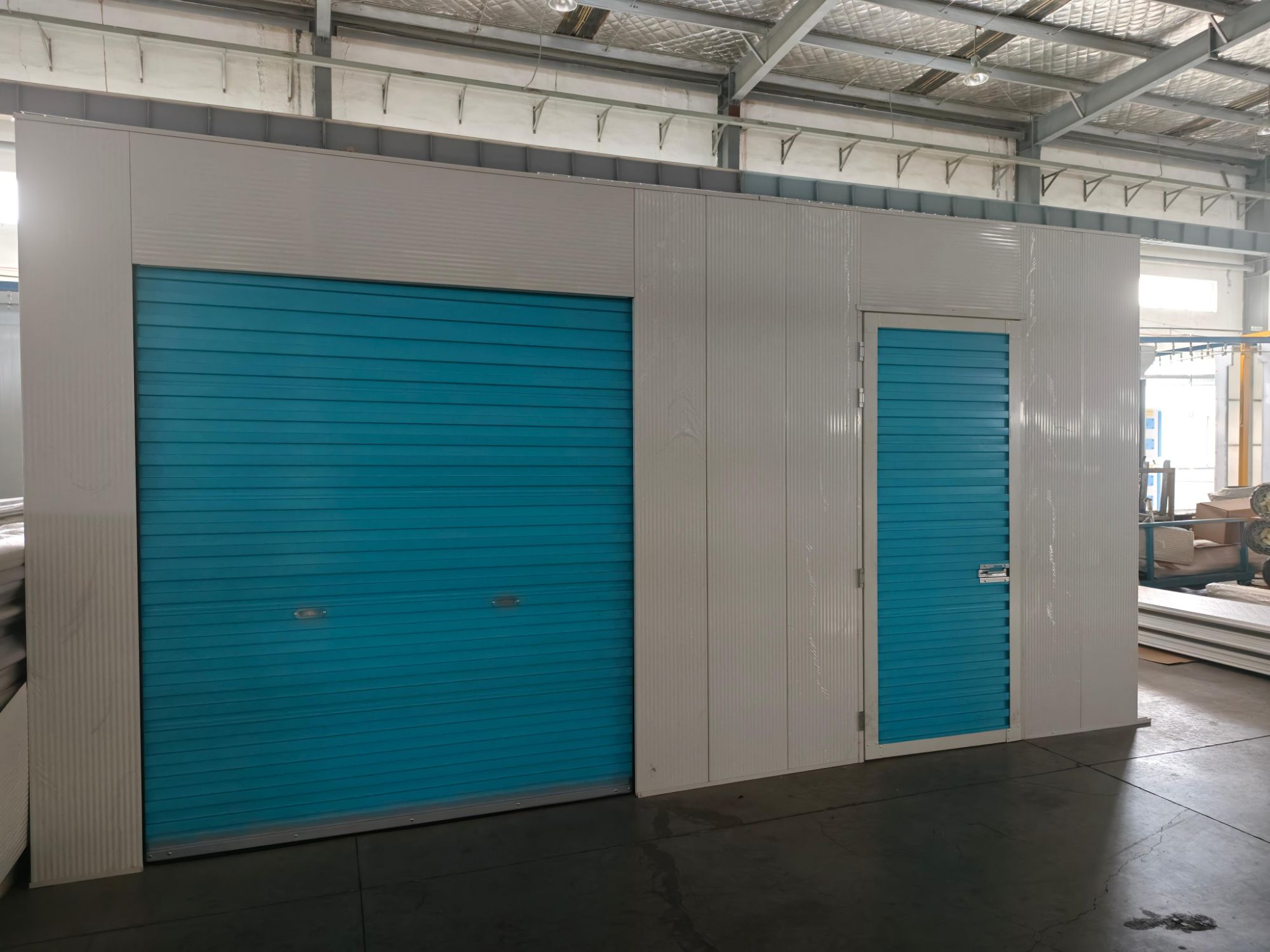
When most people think of storage units, they picture a dusty garage or a basic shed out back. But climate-controlled storage flips that image entirely, offering a space that actively protects your belongings from the silent damage caused by heat waves, freezing snaps, and creeping humidity. It’s not just about comfort—it’s about preventing warped wood, cracked leather, and the musty smell that ordinary units often develop. For anyone storing items with real material value, the consistent environment becomes a quiet safeguard rather than an upgrade.
The difference shows up fast when you consider seasonal extremes. In an unconditioned space, a summer afternoon can push temperatures past 100°F, baking cardboard boxes and weakening adhesives, while winter’s chill makes plastics brittle. Humidity swings are even worse, inviting mold into fabrics and corroding electronics bit by bit. Climate control keeps the temperature and moisture levels steady year-round, so your vinyl records don’t warp, your photos stay crisp, and that antique furniture holds its shape. It’s not an add-on for the picky—it’s a practical step that extends the life of things you expect to use again.
Yet the real shift in thinking comes when you realize what’s at stake: heirlooms, business stock, musical instruments, or even a carefully curated sneaker collection. These aren’t just stored, they’re in waiting. And waiting doesn’t have to mean slow decay. By taking the natural volatility out of the equation, climate-controlled facilities let you stash your things without the nagging worry that you’ll open the door one day to find everything spoiled. At that point, it’s not an expense—it’s just the only way storage makes sense.
Decode the Maze of Access Hours and Location
Navigating a venue’s schedule and finding your way there shouldn’t feel like cracking a secret code. We’ve all experienced the frustration of showing up at what seems like a reasonable hour, only to be greeted by locked doors and a vague sign about “seasonal adjustments.” It’s even more baffling when the location pin drops you in the middle of a parking lot with no entrance in sight.
The trick is to bypass assumptions and go straight to the source—but not just any source. Official websites can be a jungle, so look for the most recently updated page, often hidden under “Plan Your Visit” or “Today’s Hours.” For location puzzles, use satellite view to spot the actual building entrance, not just the street address, and check for pedestrian access points. A quick peek at recent visitor photos on social media can reveal the real-world look of the entrance, saving you from aimless wandering.
If the details still seem murky, a phone call during business hours often clears things up instantly—sometimes a human voice is all you need. Keep in mind that special events, holidays, and even construction can throw off the usual pattern, so always double-check on the day of your visit. A little detective work upfront transforms that maze into a straightforward path.
Security Features That Actually Make a Difference
Most users don’t realize how many common security features are just ornamentation until they experience one that genuinely blocks a threat. Real safety comes from mechanisms that operate transparently, like hardware-enforced isolation between apps, secure enclaves for biometric data, and automatic exploit mitigations that don’t depend on constant user updates. These don’t just ask for permission—they architecturally prevent misuse.
The features that matter most are those that assume the network is hostile and the device will be lost or coerced. For example, end-to-end encryption by default, where the provider never possesses the keys, and lockdown modes that strip down attack surface without crippling daily use. They don’t generate flashy alerts; they simply make it impossible for a stolen session token or a compromised camera to yield anything useful.
Another differentiator is how a system handles physical access. A truly impactful security model ties unlock credentials to the hardware, making offline brute-force attacks impractical, and ensures that a remote wipe erases the data recovery key rather than just flagging the device as stolen. These choices don’t appear in marketing bullet points because they’re not shiny—but they’re what stop a pickpocketed phone from becoming an identity theft kit.
Hidden Costs and Fine Print Traps to Avoid
Many deals that look too good to be true often come with hidden costs buried in the fine print. From unexpected service fees and processing charges to automatic renewal clauses, these traps can quietly drain your wallet if you're not paying attention. Always take a moment to scan the terms and conditions—specifically the sections on fees, cancellation policies, and subscription details—before committing to any purchase or contract.
One common pitfall is the “free trial” that converts into a paid subscription without clear warning. You might forget to cancel, only to discover recurring charges months later. Another trick is the low introductory price that skyrockets after a short period. If you spot phrases like “subject to change” or “additional fees may apply,” consider it a red flag. Ask for total cost breakdowns upfront, and don't be shy about questioning anything that isn't spelled out plainly.
Even reliable-looking contracts can hide obligations that lock you in longer than expected. Early termination penalties, mandatory arbitration clauses, and automatic opt-ins for extra services are classic examples. Before you sign, highlight or note any terms that seem vague or overly complex. If a company can't explain them clearly, that's often a sign to walk away. A few extra minutes of scrutiny can save you from costly surprises down the road.
Smart Packing Hacks for Long-Term Storage
It's tempting to just toss everything into a bin and call it a day, but a little strategy goes a long way when you won't be touching your things for months or even years. Swap out flimsy cardboard boxes for airtight plastic bins with secure lids—they stack better, seal out moisture, and won't collapse under pressure. For clothes and textiles, vacuum-seal bags are a game changer, shrinking bulky items down to a fraction of their size while keeping dust and pests at bay. And never underestimate the humble silica gel packet; tuck a few into every container to absorb any ambient humidity that sneaks in.
Think in layers: place the heaviest items at the bottom of each bin and lighter, more delicate objects on top. Use smaller boxes or dividers inside larger containers to avoid a chaotic jumble, and always leave a small gap at the top—overpacking can warp lids and make stacking precarious. Wrap anything breakable in soft goods like towels or scarves instead of bubble wrap; you're protecting your valuables while saving space and cutting down on plastic waste. Add a simple label to each side of the bin, not just the top, so you can identify contents even when they're stacked five high.
Unconventional materials can work wonders. Those empty toilet paper rolls cluttering your recycle bin? Perfect for storing cords, cables, or even rolled-up artwork. Clean, empty pill bottles are great for organizing tiny hardware like screws, nails, or jewelry findings. For furniture or oddly shaped items, use old bedsheets or drop cloths instead of plastic wrap—they breathe, preventing mold, and provide a washable protective layer. Take a quick photo of each sealed bin before it goes into storage; a digital inventory might save you from tearing everything apart later when you can't remember where you put that one specific thing.
FAQ
Focus on security features like surveillance cameras and gated access, cleanliness, convenient location, flexible access hours, and positive customer reviews. Also check if they offer insurance options.
Start by making an inventory of everything you plan to store. Use online size guides or ask the staff for advice—they've seen it all. It's often smarter to go a little bigger than you think to allow for easy movement and last-minute additions.
If you're storing temperature-sensitive items like electronics, wooden furniture, artwork, or important documents, and you live in an area with extreme heat, cold, or humidity, climate control is worth the extra cost. For basic, durable goods in mild climates, you might skip it.
Choose a facility with strong security: 24/7 cameras, coded gate entry, and good lighting. Use a high-quality disc lock on your unit, and never share your access code. Also, consider purchasing storage insurance for added protection.
Use sturdy, uniform-sized boxes so they stack easily. Label every box clearly on multiple sides. Wrap fragile items in bubble wrap or packing paper, and don't make boxes too heavy—put heavier items on the bottom. Leave a small aisle inside the unit so you can reach things without moving everything.
Yes, it's a smart move. Even the best facilities can't prevent every mishap like theft, fire, or water damage. Your homeowner's or renter's insurance might cover stored items, but check the limits—often they don't cover full value. A dedicated storage insurance policy is usually affordable and gives peace of mind.
During peak moving times like summer or the end of the month, it's best to reserve at least a couple of weeks ahead. This ensures you get the size and location you want, and you might lock in a better rate before prices go up.
Read the rental agreement carefully. Look for administrative fees, mandatory insurance charges, late payment penalties, or rent increase clauses. Some facilities may also charge for locks or require a deposit—ask upfront so you know the full cost.
Conclusion
When hunting for a storage unit, it's easy to get lured by low prices, but the real trick is matching the unit size to what you actually own — too small and you'll cram things in, risking damage; too large and you'll pay for empty space. Climate control often gets dismissed as an unnecessary upgrade, yet for anything susceptible to humidity, temperature swings, or dust, it can be the difference between your belongings coming out as they went in or covered in mold and warping. And don't overlook the practical side of access hours and location. A facility that's only open when you're at work or buried in weekend traffic turns a quick trip into a major hassle.
Security isn't just about a fence and a gate code. Look for individually alarmed units, well-lit corridors, and cameras that actually cover the entire property. Then, get forensic with the contract: promotional rates that triple after three months, mandatory insurance buried in fine print, or admin fees that seem to appear from nowhere can blow your budget. Finally, the way you pack matters enormously — vacuum-seal fabrics, disassemble furniture to save space, and place frequently needed items near the door. A little strategy up front means a seamless, stress-free move when you eventually unpack.
Contact Us
Contact Person: Cyril He
Email: [email protected]
Tel/WhatsApp: 8613969697307
Website: https://cqyqgd.en.alibaba.com/