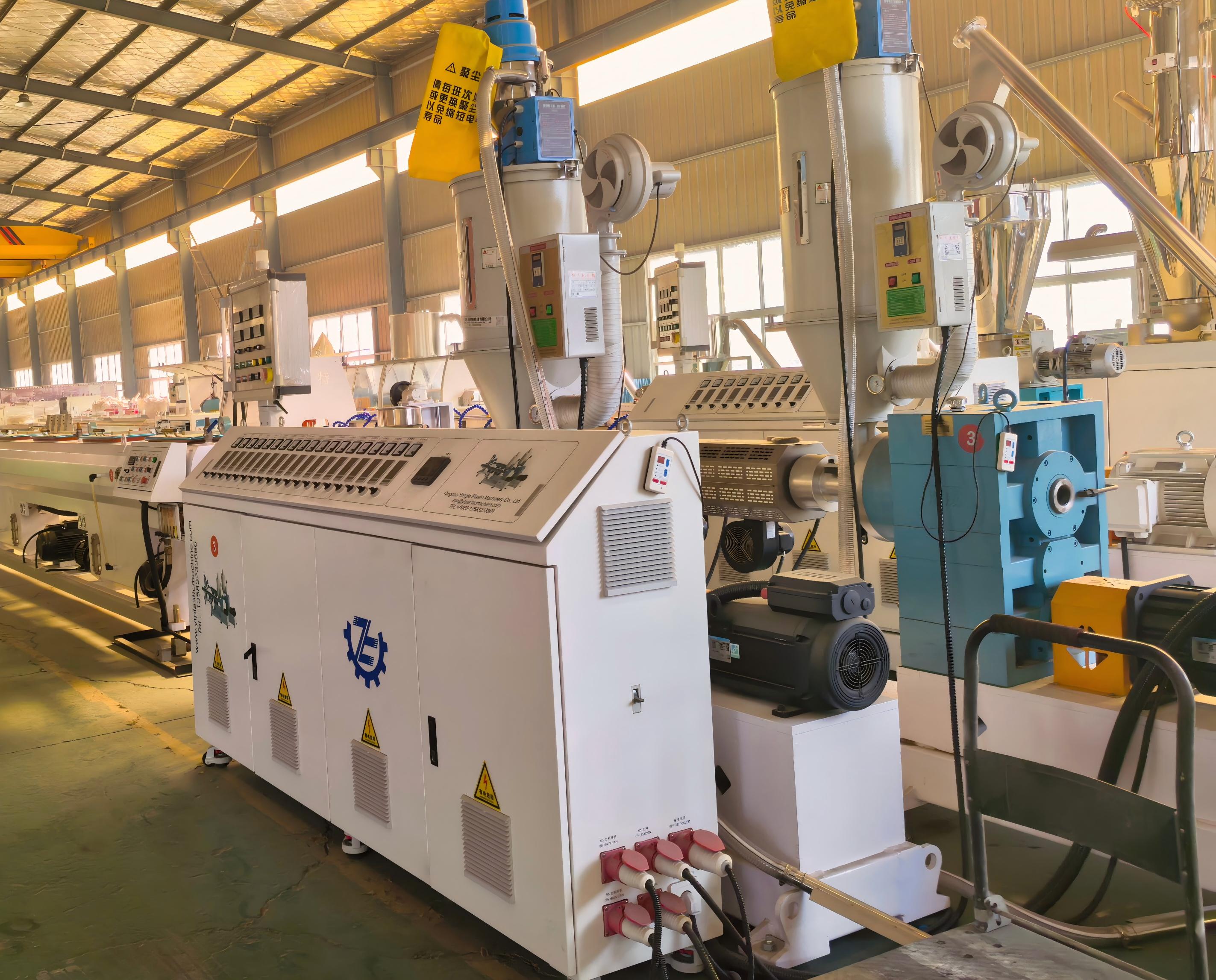
Boost Your Production with Advanced Wood Plastic Machine Solutions
2026-03-27
In today's competitive manufacturing landscape, maximizing production efficiency is key to staying ahead. As industries seek sustainable and high-performance materials, wood plastic composites (WPCs) have emerged as a game-changer. At Yongte, we specialize in advanced wood plastic machine solutions that are designed to transform your production processes. This blog delves into how our innovative technologies can boost your output, reduce waste, and open new opportunities. Join us as we explore cutting-edge strategies and real-world applications to help you achieve more with less—without the fluff or jargon. Get ready to revolutionize your workflow with practical insights and proven results tailored to your needs.
Revolutionize Your Output with Cutting-Edge Wood Plastic Composite Technology
Imagine a material that combines the warmth and natural appeal of wood with the strength and versatility of plastic. Wood plastic composite (WPC) technology is not just an alternative; it's a game-changer for industries ranging from construction to outdoor furniture design. By blending recycled wood fibers with polymers, this innovative material addresses both environmental concerns and performance needs, offering a sustainable solution that doesn't compromise on quality.
Say goodbye to the limitations of traditional materials. WPC excels in durability, resisting rot, insects, and harsh weather conditions far better than untreated wood. This means longer-lasting products and reduced maintenance costs, making it ideal for decks, railings, and even interior applications. Its adaptability allows for creative designs that were once impractical, giving manufacturers a competitive edge in the market.
Moreover, WPC technology supports green initiatives by utilizing waste materials and reducing the demand for virgin timber. This focus on sustainability appeals to eco-conscious consumers and aligns with global trends toward circular economies. As industries evolve, embracing WPC can not only enhance output but also position your brand as a forward-thinking leader in innovation and responsibility.
Enhance Efficiency and Precision in Composite Material Processing
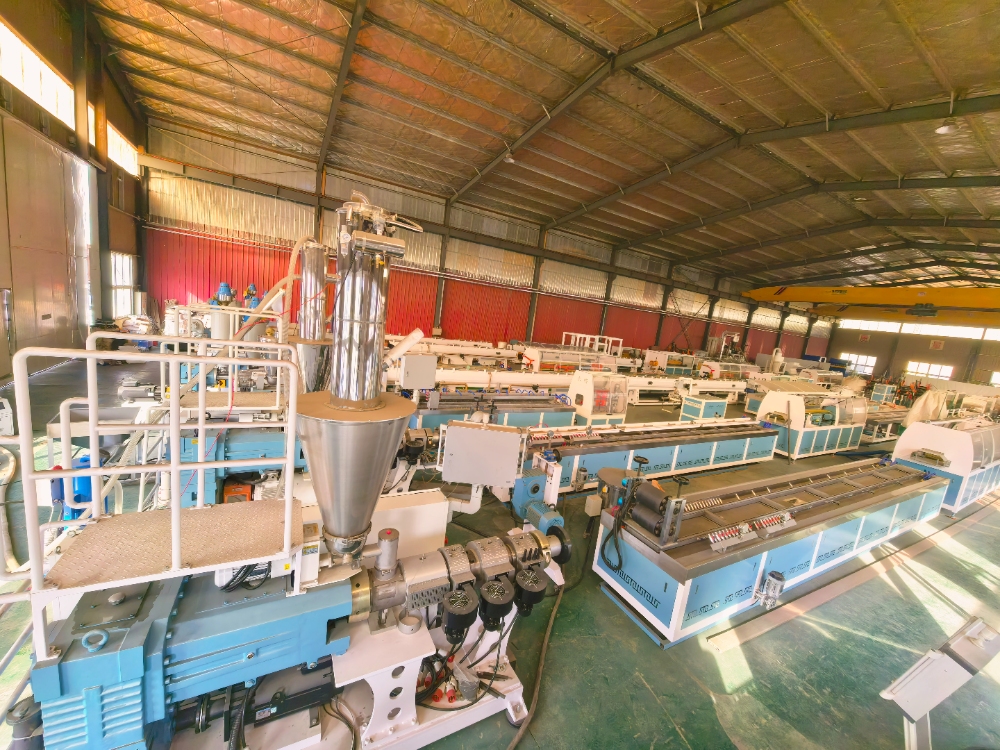
In advanced manufacturing, boosting efficiency and accuracy in composite material processing demands innovative approaches that streamline operations while minimizing waste. Techniques like automated fiber placement and robotic layup systems allow for faster production cycles without sacrificing quality, enabling manufacturers to meet tight deadlines while adhering to strict tolerances. By integrating real-time monitoring tools, defects can be caught early, preventing costly rework and ensuring materials perform reliably under stress. This focus on speed and detail not only cuts down on time but also enhances the overall durability of composite structures, making them ideal for industries from aerospace to automotive where every gram and millimeter counts.
Precision-driven methods such as laser cutting and ultrasonic consolidation are revolutionizing how composites are shaped and joined, offering micron-level accuracy that traditional methods struggle to match. These technologies reduce material scrap and energy consumption, aligning with sustainable manufacturing goals while delivering robust, lightweight components. By leveraging predictive analytics, companies can fine-tune processing parameters on the fly, adapting to material variances and environmental factors. This dynamic control ensures consistent output across batches, crucial for applications in renewable energy or medical devices where minor imperfections can lead to significant performance issues.
To stand out in a competitive market, embracing a holistic strategy that combines smart sensors with advanced simulation software is key. This synergy allows for closed-loop feedback systems that adjust processes in real-time, improving yield rates and reducing human error. By fostering a culture of continuous improvement, manufacturers can push the boundaries of what composites can achieve, from intricate architectural designs to high-stress sporting goods. Ultimately, the pursuit of efficiency and precision isn't just about cutting corners—it's about crafting materials that are both more intelligent and more resilient, driving innovation forward without compromise.
Leverage Smart Automation for Seamless Production Workflows
In today's fast-paced manufacturing landscape, smart automation isn't just a buzzword—it's the linchpin that streamlines production workflows from start to finish. By integrating AI-driven systems and IoT sensors, factories can anticipate bottlenecks before they occur, ensuring materials flow smoothly and downtime is minimized. This proactive approach transforms chaotic assembly lines into well-oiled machines, where every component syncs perfectly, boosting efficiency without sacrificing quality.
Imagine a scenario where machines communicate in real-time, adjusting production rates based on demand signals and inventory levels. This dynamic orchestration eliminates manual interventions, reducing human error and freeing up staff for more strategic tasks. Whether it's auto-scheduling maintenance or rerouting workflows around disruptions, smart automation creates a resilient ecosystem that adapts on the fly, making seamless operations the new norm rather than an aspirational goal.
Beyond mere efficiency gains, adopting these technologies fosters a culture of continuous improvement. Data analytics from automated processes uncover hidden inefficiencies, enabling iterative refinements that drive long-term innovation. By embracing smart automation, companies not only achieve smoother production flows but also build a competitive edge that evolves with market changes, ensuring they stay ahead in an increasingly automated world.
Discover How Innovative Machine Designs Reduce Waste and Costs
At the heart of modern manufacturing lies a quiet revolution, where engineers are rethinking the very blueprint of machines to tackle waste and slash expenses. By integrating smart sensors and adaptive control systems, these next-generation devices can self-correct in real-time, minimizing material overuse and preventing costly errors before they escalate. Imagine a precision cutting tool that adjusts its path based on material variations, or a packaging line that recalibrates fill levels on the fly—these aren't just concepts but practical solutions already cutting down scrap by up to 30% in forward-thinking factories.
Beyond mere efficiency tweaks, innovation is pushing into modular and multifunctional designs that consolidate multiple processes into single, streamlined units. Take, for instance, a hybrid machine that combines molding, assembly, and quality checks in one compact footprint; it not only reduces the physical waste from transporting parts between stations but also trims energy consumption and labor costs. This holistic approach transforms traditional linear workflows into cohesive loops, where every component is optimized to serve dual purposes—meaning less raw material input and fewer resources spent on maintenance and replacements over time.
What truly sets these advancements apart is their focus on lifecycle sustainability, embedding durability and recyclability from the design phase onward. Machines built with lightweight, corrosion-resistant alloys or 3D-printed parts tailored for easy disassembly contribute to a circular economy, lowering both initial production outlays and end-of-life disposal fees. By prioritizing such foresight, companies aren't just saving money on operations; they're investing in resilience, future-proofing their operations against resource scarcity and regulatory shifts while carving out a competitive edge in an eco-conscious market.
Customize Solutions to Meet Diverse Manufacturing Demands
In the fast-paced world of manufacturing, no two projects are ever quite the same. That's why we build tailored solutions designed to adapt to your specific challenges. Forget the constraints of one-size-fits-all approaches; we dive deep into your workflow to create tools that enhance efficiency, reduce waste, and address the unique demands of your operations, ensuring a seamless fit from the ground up.
Our approach goes beyond just tweaking existing models. We collaborate closely with you to identify bottlenecks and opportunities, crafting bespoke systems that integrate smoothly with your existing infrastructure. This partnership-driven method not only meets diverse manufacturing needs but also future-proofs your processes, keeping you ahead of industry shifts and technological advancements.
Ultimately, customization isn't a luxury—it's a necessity for staying competitive. By delivering solutions that evolve alongside your business, we empower you to respond quickly to market changes and innovate with confidence, turning diverse demands into distinct advantages.
Achieve Superior Product Quality with High-Performance Equipment
In today's competitive manufacturing landscape, leveraging high-performance equipment isn't just an advantage—it's a necessity for ensuring top-tier product quality. These advanced machines deliver unparalleled precision and consistency, reducing defects and material waste while enhancing overall reliability. By investing in state-of-the-art technology, companies can achieve tighter tolerances and smoother finishes that set their products apart in the market.
Beyond basic functionality, modern high-performance tools incorporate smart features like real-time monitoring and automated adjustments. This proactive approach allows operators to catch potential issues early, maintaining seamless production flow and minimizing downtime. As a result, businesses not only meet quality standards but consistently exceed customer expectations, fostering stronger brand loyalty and repeat business.
Ultimately, integrating high-performance equipment transforms quality control from a reactive checkpoint into a built-in assurance. It empowers teams to focus on innovation rather than troubleshooting, driving continuous improvement and sustainable growth. In this way, superior equipment becomes the cornerstone of delivering exceptional products that resonate with discerning consumers.
FAQ
Advanced wood plastic composite (WPC) machines significantly boost output while reducing waste—they're designed for higher precision and faster processing, giving you a competitive edge in manufacturing efficiency.
Unlike older models, these machines incorporate smart automation and real-time monitoring, allowing for better material handling and less downtime—think of it as upgrading from manual control to predictive maintenance.
Yes, many manufacturers offer scalable models with flexible financing. The upfront investment often pays off through lower operational costs and increased product quality, making it accessible for growing businesses.
They're versatile enough for everything from decking and fencing to furniture and automotive parts, enabling producers to diversify their offerings without compromising on durability or finish.
By optimizing material use and energy consumption, these machines cut down on environmental impact—some even support recycled plastic blends, helping you meet eco-friendly goals without sacrificing performance.
Focus on compatibility with your existing line, ease of operator training, and post-sales support. A good supplier will customize solutions to fit your specific production needs and workflow.
Initial setup might require adjustments to material feeds or staff training, but partnering with experienced providers ensures smooth integration through hands-on guidance and troubleshooting resources.
While costs vary, most users see a return within 1-2 years due to reduced labor, fewer defects, and higher throughput—detailed cost-benefit analyses from suppliers can help tailor expectations to your budget.
Conclusion
In today's competitive manufacturing landscape, leveraging advanced wood plastic composite technology is a game-changer for boosting production. This cutting-edge approach revolutionizes output by integrating precision engineering and innovative machine designs, directly addressing demands for superior product quality and reduced waste. By adopting high-performance equipment, manufacturers can transform their processing capabilities, making operations more efficient and reliable. Such advancements not only enhance material handling but also pave the way for consistent, high-grade composites that meet strict industry standards, ensuring a robust foundation for growth and innovation in various applications.
To further amplify these benefits, smart automation and customized solutions play a crucial role in creating seamless production workflows. By leveraging intelligent systems, businesses can streamline operations, minimize errors, and adapt to diverse manufacturing demands with agility. This integration reduces downtime and operational costs, empowering teams to focus on strategic improvements. Ultimately, embracing these holistic machine solutions enables companies to achieve unparalleled efficiency and cost-effectiveness, driving sustainable success and setting new benchmarks in the wood plastic composite sector.
Contact Us
Contact Person: Ms Qin
Email: [email protected]
Tel/WhatsApp: 8613583233866
Website: https://www.yongteplast.com