
Chemical Equipment & Technology Trade Platforms: Unlocking Global Opportunities
2026-05-15
In the fast-paced world of chemical equipment and technology, finding the right trade platform can be the difference between standing still and breaking into new markets. Whether you're sourcing cutting-edge machinery or exploring global partnerships, the journey is often complex. That's where ICIF comes in – a dynamic hub designed to simplify connections and unlock opportunities across borders. This blog dives into how the right platform transforms challenges into growth stories.
Breaking Down Borders in Chemical Equipment Trade
The chemical equipment market has long been shaped by geographical constraints, with manufacturers and buyers often locked into regional networks. But the walls are coming down. New logistics strategies, harmonized safety standards, and digital matchmaking platforms are enabling a genuinely global trade flow. Small and medium-sized enterprises can now source specialized reactors or heat exchangers from a continent away with the same confidence they’d have dealing with a local supplier.
What’s driving this borderless shift? For one, the demand for customized, high-performance equipment is pushing companies to look beyond domestic catalogs. A plant in Germany might need a specific filtration system designed in Japan, while a refinery in Brazil could benefit from a pump innovation out of South Korea. This cross-pollination isn't just about filling gaps; it’s about raising the bar for efficiency and safety worldwide. Shared certification frameworks and transparent supplier reviews are bridging the trust gap that once made international deals feel risky.
Of course, challenges remain—language barriers, fluctuating tariffs, and complex after-sales support can still complicate deals. Yet the trend is clear: the chemical equipment trade is rapidly moving toward a model where borders are less relevant than capability. Companies that embrace this open approach are building resilient supply chains and gaining access to a richer pool of technology, ultimately turning geographical diversity into a competitive advantage.
How Digital Platforms Simplify Global Technology Exchange
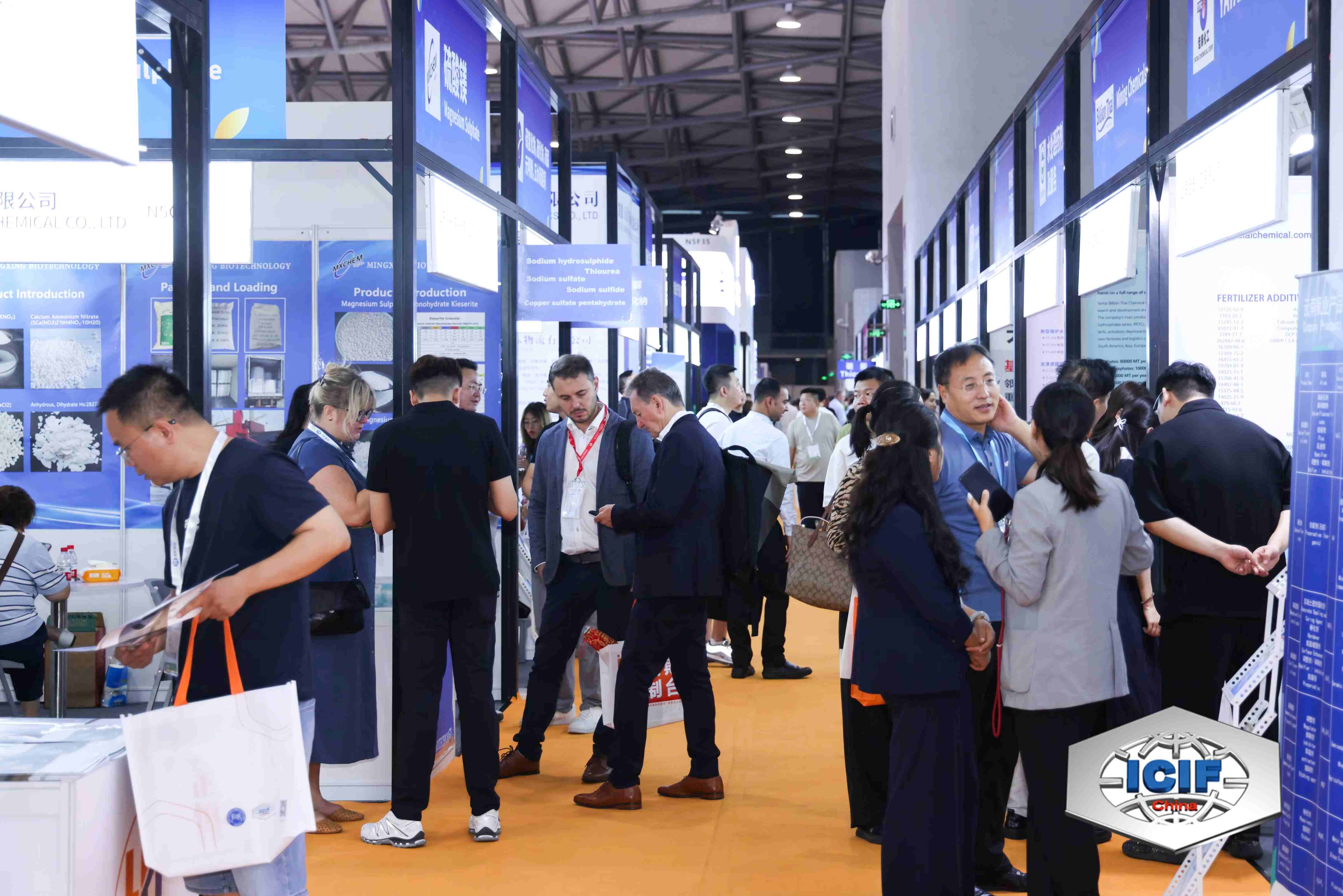
Digital platforms have reshaped the way technologies cross borders, stripping away many of the old barriers that once slowed down collaboration. Where businesses once had to navigate complex trade agreements, time zones, and shipping logistics, they can now tap into a global pool of code repositories, virtual workspaces, and instant communication tools. A startup in Singapore can integrate a machine learning library built in San Francisco within hours, test it against real-time data from London, and deploy a joint product across multiple regions simultaneously. This seamless connectivity turns distant ideas into shared assets without the traditional overhead.
Beyond simple file sharing, these platforms provide standardized frameworks that harmonize disparate regulations and technical standards. Compliance checks, version control, and collaborative documentation are often built directly into the interface, so teams spend less time duplicating effort and more time innovating. Even smaller players gain access to the same cloud computing power, APIs, and developer communities that were once the preserve of multinational giants, creating a more level playing field where ingenuity travels faster than paperwork.
The hidden strength lies in how platforms foster trust through transparency and repeated interactions. User reviews, code audits, and visible track records replace the need for lengthy due diligence trips. A developer in Nairobi can contribute to an open-source project maintained in Berlin, and their commits become part of a globally recognized portfolio without anyone worrying about geography. Over time, these digital meeting grounds build networks of mutual reliance that accelerate technology transfer not through contracts alone, but through continuous, practical collaboration.
Navigating Supply Chains with Next-Gen Trade Solutions
Modern supply chains are no longer linear paths from factory to shelf; they are dynamic, interconnected networks that demand real-time agility. Next-generation trade solutions leverage advanced analytics, blockchain ledgers, and IoT sensors to provide unprecedented visibility and control. Instead of merely reacting to disruptions, companies can now anticipate bottlenecks, reroute shipments instantly, and maintain seamless flow even when geopolitical tensions or natural disasters strike traditional routes.
These tools go beyond simple tracking to embed intelligence directly into trade operations. Automated compliance checks, self-executing smart contracts, and digital twin simulations enable firms to test scenarios before committing resources. This reduces dependency on manual interventions and cuts through the noise of fragmented data systems, allowing supply chain managers to focus on strategic decisions rather than firefighting daily operational snags.
The real shift, however, is cultural: next-gen trade solutions empower cross-functional teams to collaborate on a single source of truth. Customs brokers, logistics providers, and procurement officers access the same up-to-date information, dissolving the silos that traditionally slowed down global trade. By turning supply chains into responsive ecosystems, these innovations help businesses not just survive volatility, but thrive in it, turning complexity into a competitive advantage.
The Rise of Niche Hubs for Specialized Chemical Tech
Across the chemical industry, a quiet shift is reshaping where innovation happens. Instead of sprawling, all-purpose research parks, we're seeing the emergence of focused micro-centers dedicated to narrow slices of chemical technology. Places like the Silane Valley in South Korea or the Fluorine Cluster in Zhongshan, China, aren't chasing every trend — they're doubling down on a single molecule family or process type. This hyper-specialization allows for shared equipment, deep supplier networks, and a labor pool that trades in esoteric knowledge.
What makes these hubs click isn't just co-location; it's the formation of a tight-knit ecosystem where competitors and collaborators blur together. A startup tweaking a catalyst for bio-based solvents can test its idea at a neighboring pilot plant within hours, not weeks. Equipment manufacturers design machinery precisely for that niche, and even waste streams become feedstocks for adjacent firms. The speed of iteration becomes a moat that generalist districts can't easily replicate.
Investors and multinationals are taking notice. Rather than building massive internal R&D fortresses, they're placing satellite labs inside these hubs, tapping into the ambient expertise. The result is a new geography of chemical invention — less about big names and more about how tightly aligned a community can become around a specific molecular challenge.
Building Trust Across Continents with Verified Partnerships
Genuine trust isn't built on promises alone—it's forged through consistent action and transparent verification. Across continents, we've cultivated relationships that begin with rigorous vetting and grow through shared accountability. Every partner in our network undergoes a multi-stage evaluation, from operational audits to on-site assessments, ensuring they align with our standards before any handshake takes place. This isn't about ticking boxes; it's about creating a foundation where reliability becomes second nature.
Maintaining these bonds requires more than initial checks. We deploy continuous monitoring and open communication channels that span time zones and cultural nuances. When challenges arise—as they inevitably do in cross-border collaborations—verified partners have immediate access to escalation paths and collaborative problem-solving resources. The result is a living ecosystem where trust isn't just established; it's actively reinforced with every shipment, every project milestone, and every shared success.
What sets this approach apart is the human element woven into verification. Beyond documentation, our teams invest time in understanding local contexts and the people behind each partnership. This means regular face-to-face check-ins across continents, joint workshops that bridge regulatory differences, and a commitment that no partner ever feels like just another entry in a database. Trust across borders grows when verification feels less like scrutiny and more like a mutual commitment to excellence.
Accelerating Innovation Through Cross-Border Collaboration
Bringing together minds from different corners of the world does more than just pool resources—it shatters the echo chambers that often stifle breakthrough thinking. When teams spanning continents collaborate, they blend distinct cultural approaches to problem-solving, regulatory landscapes, and market insights, creating a fertile ground for ideas that simply wouldn’t emerge in isolation.
Consider how a medical device startup in Germany, a software team in Bangalore, and a manufacturing partner in Mexico might jointly develop a portable diagnostic tool. The German engineers emphasize precision, the Indian developers adapt it for low-bandwidth environments, and the Mexican facility streamlines production—each layer of expertise refines the concept in ways no single group could envision alone. This kind of triangulation turns theoretical possibilities into tangible solutions faster than any siloed R&D cycle.
Critically, cross-border collaboration also reshapes the very culture of innovation. It forces teams to question assumptions, communicate with intentional clarity, and design for diversity from day one. The friction of distance and difference becomes a catalyst, not a barrier, pushing participants to build more resilient, adaptable processes that keep invention moving at an unusual pace.
FAQ
These are specialized online marketplaces that bring together manufacturers, distributors, and buyers of chemical processing machinery, lab instruments, and related technologies. Unlike general e-commerce sites, they often include tools for technical specification matching, regulatory compliance checks, and direct communication with engineers, making them essential for sourcing complex industrial equipment.
They break down traditional geographic barriers by offering translation services, localized payment options, and compliance guidance for different regional standards. For example, a Chinese reactor manufacturer can effortlessly connect with a pharmaceutical company in Germany, with the platform handling everything from documentation to logistics coordination. It’s not just about listing products; it’s about enabling trust and simplifying cross-border transactions.
You’ll find everything from large-scale machinery like distillation columns and centrifuges to niche items like hazardous-material valves and pilot plant systems. Many platforms also list pre-owned, refurbished equipment, which offers a cost-effective alternative for startups. The key is the sheer variety, often with verified performance data and real-time availability browsing.
Absolutely. Some advanced platforms have dedicated sections for patents, proprietary formulas, and know-how licensing. They provide secure virtual data rooms for confidential document exchange and even feature matchmaking algorithms that suggest potential technology partners based on production needs. This turns a simple trade hub into an innovation-exchange ecosystem.
Reputable platforms employ multi-layered verification, including factory audits, certifications checks (like ISO or GMP), and user review systems. Some go further by offering inspection services or escrow payment protection. The goal is to mitigate the risk of receiving substandard equipment, which is a common fear in remote transactions. It’s about building a community where reputation is visible and valued.
They inject agility into what has been a traditionally slow-moving sector. Instead of relying on trade shows or personal networks, companies can now digitally manage supplier discovery, compare quotes, and even integrate platform APIs into their ERP systems. This real-time visibility shortens procurement cycles and reduces inventory costs, essentially bringing the supply chain into the 21st century.
Yes, often they benefit the most. A small specialty chemical producer can access a global customer base without the overhead of international sales teams. Some platforms provide consolidated shipping options or shared warehousing, making it viable to send small batches overseas. It democratizes access to markets that were once only reachable by large corporations.
We’re seeing a move towards immersive experiences like 3D equipment tours and AI-driven predictive maintenance suggestions tied to listed machinery. Blockchain is being explored for tamper-proof equipment history records. There’s also a push for sustainability, with platforms highlighting energy-efficient equipment and facilitating the circular economy through resale of used gear.
Conclusion
In today’s rapidly evolving industrial landscape, chemical equipment and technology trade platforms are dismantling traditional barriers, creating seamless channels for international commerce. These digital ecosystems are not only simplifying complex cross-border transactions but also fostering a new era of accessibility, where even niche technologies and specialized equipment find their way into markets previously considered out of reach. By aggregating suppliers, buyers, and logistics partners under one virtual roof, such platforms eliminate geographical and bureaucratic hurdles, enabling a fluid exchange that reshapes the global supply chain. They serve as dynamic marketplaces where innovation meets demand, and where the friction of distance and regulation gives way to efficiency and speed.
Equally transformative is the emphasis on trust and collaboration that these platforms cultivate. Through verified partnership frameworks and transparent vetting processes, they build confidence among stakeholders who may have never met in person. This foundation of reliability accelerates the sharing of cutting-edge research, encourages co-development of technologies, and drives solutions for industry-wide challenges. As specialized hubs emerge to cater to specific segments—from advanced materials to green chemistry—they deepen expertise and connect like-minded innovators worldwide. Ultimately, these trade platforms are not merely transactional tools; they are catalysts for a globally integrated, resilient, and forward-looking chemical technology industry, unlocking opportunities that transcend borders and redefine what international cooperation can achieve.
Contact Us
Contact Person: Shaozhen Zhou
Email: [email protected]
Tel/WhatsApp: 0086-18612117599
Website: https://en.icif.cn/