
Cold Brew Coffee BIB Supplier: Find Your Perfect Bag-in-Box Coffee
2026-07-23
Cold brew has taken the coffee world by storm, and for good reason—its smooth, bold flavor is unmatched. But scaling up production while maintaining quality isn't easy. That's where smart sourcing comes in. Whether you're running a café or launching a ready-to-drink line, finding the right cold brew coffee BIB supplier can make or break your business. Enter Kody, a name you'll want to remember. With a focus on bag-in-box solutions that prioritize freshness and convenience, Kody is redefining how we think about cold brew on tap. Stick around—we're about to dive into what makes a great BIB partner and why Kody might just be your perfect match.
Quality markers in cold brew bag-in-box systems
Cold brew stored in bag-in-box systems demands a unique set of quality indicators, far exceeding the simple check for off-flavors. Acidity, often muted in cold extraction, must maintain its bright, nuanced character without evolving into sharp or acetic notes over time. Simultaneously, the body and mouthfeel rely on stable emulsification of coffee's natural oils; any breakdown manifests as a thin, watery texture or unexpected sludge, revealing compromised shelf stability.
Oxidation and staling markers are particularly treacherous in this format. While traditional hot coffee turns rancid, cold brew quietly loses its vibrant top notes, replaced by a flat, cardboard-like monotone that many consumers misinterpret as the intended profile. The true test lies in tracking specific volatile compounds that vanish first—floral and fruity esters, for instance—long before generic staleness sets in, offering a much earlier warning of quality decay.
Beyond chemistry, physical integrity of the packaging itself becomes a marker. Minute bag leaks or fitting failures introduce trace oxygen, triggering accelerated degradation that laboratory tests can’t fully replicate. Field performance hinges on consistent draw and absence of air ingress, meaning frontline sensory cues like a sudden lack of aroma upon dispense or unexpected clarity changes are just as vital as any lab measurement, and often flag trouble far sooner.
The unexpected perks of flexible packaging for coffee
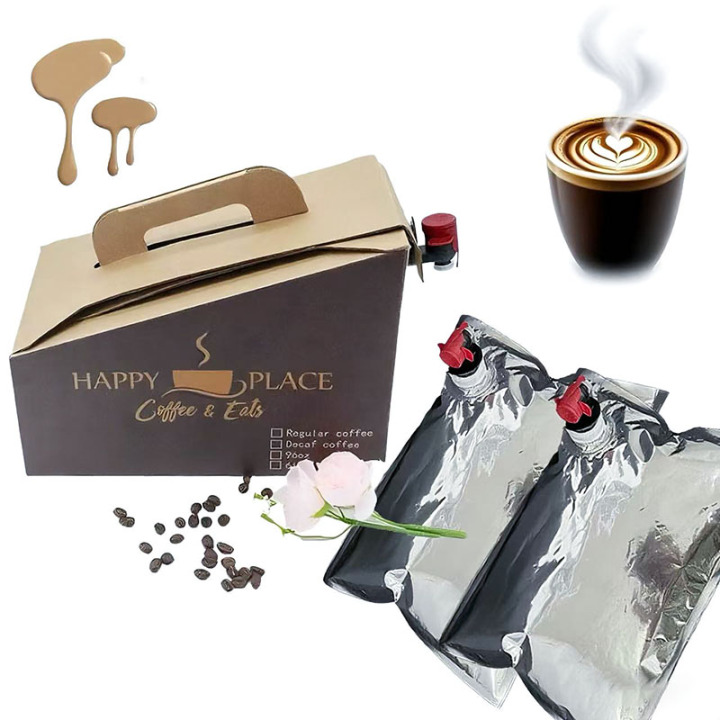
It is easy to assume that rigid containers are the gold standard for preserving coffee’s delicate aromas, but flexible packaging often outperforms them in ways you wouldn’t expect. The multi-layered films used in stand-up pouches and flat bags create a near-perfect barrier against oxygen, moisture, and light—three of coffee’s biggest enemies. What makes this truly surprising is that these lightweight materials can lock in freshness just as effectively as glass or metal, while allowing roasters to incorporate one-way degassing valves that let carbon dioxide escape without letting air in. This smart micro-engineering means your morning beans stay at peak flavor longer, with a packaging footprint that is barely there.
Another unexpected advantage is how flexible packaging transforms the everyday coffee ritual into a more tactile and intimate experience. Unlike a rigid canister or a bulky box, soft pouches naturally mold to your hand and can be easily squeezed to gauge how many beans are left. Resealable zippers and tear notches have become so intuitive that you never think about them, yet they are an understated triumph of design: they eliminate the need for separate clips, keep your counter clutter-free, and even let you roll the package down as you use it, minimizing oxygen exposure with every brew. It is a quiet convenience that you may not notice until you go back to a traditional container and suddenly miss it.
Perhaps the most underrated perk lies in the creative freedom that flexible substrates offer coffee brands. Far beyond just being a pocket-friendly way to ship coffee, these materials can be printed edge-to-edge with high-definition graphics, soft-touch finishes, or even matte and gloss contrasts that engage the senses before the bag is even opened. This turns the packaging into a storytelling canvas—one that can evoke a farm’s heritage, highlight tasting notes, or simply stand out on a crowded shelf without extra cost or weight. The unexpected result is a deeper connection between the drinker and the origin of the coffee, built from something as simple as a pouch that feels surprisingly good to hold and beautiful to look at.
What to look for in a bulk cold brew partner
The right partner will treat extraction as a craft, not just a checkbox. Look for someone who obsesses over steep time, water chemistry, and bean origin—adjusting profiles by season and roast. Their process should feel transparent, with regular cupping sessions and a willingness to share data on caffeine content and flavor stability. A partner who treats every batch like a limited release, even at scale, signals they care about what ends up in your cup.
Logistics can make or break a cold brew supply chain. Evaluate how they handle cold-chain continuity from brew house to your dock, and whether their delivery windows align with your production schedule. A partner who offers flexible packaging—from bag-in-box to kegs—without inflating lead times or minimum orders shows they understand operational reality. Ask about their redundancy plans for equipment downtime, and see if they’ve invested in nitro capabilities or shelf-stable technology—these details reveal a long-term mindset rather than a transactional one.
Beyond the liquid itself, consider how a partner supports your brand story. Can they co-develop signature blends or offer origin-specific brews that set your lineup apart? The best collaborators bring market insights, such as trending roast profiles or emerging single-origin preferences, without dictating your menu. They’ll also have clear sourcing ethics and a sustainability program that aligns with your values—whether it’s upcycling spent grounds or direct trade relationships. Choosing a partner becomes intuitive when their passion for cold brew matches your own.”
Keeping cold brew fresh without preservatives
Cold brew’s smooth flavor relies on careful storage to stay vibrant without any artificial help. The moment it’s strained, oxygen and temperature fluctuations become its biggest enemies. A tightly sealed glass container is your best friend here—plastic can absorb odors over time, and any air gap invites stale notes. Keep it in the coldest part of your fridge, ideally below 4°C, where oxidation slows to a crawl. This simple habit can stretch its lifespan by days, preserving that mellow, chocolatey profile you worked so hard to extract.
Another often-overlooked secret is dividing your batch into smaller portions. Every time you open a large bottle, you’re letting in fresh air, which accelerates degradation. Filling smaller mason jars right to the brim minimizes headspace and limits exposure. If you’re serious about freshness, consider a vacuum-sealed canister—it removes oxygen entirely, keeping the brew tasting like the moment you filtered it. Just remember to let it breathe for a minute after opening, as compressed aromas can briefly mute the flavor.
The beans themselves play a quiet but vital role in longevity. Using freshly roasted, coarsely ground coffee reduces the risk of off-flavors emerging later, since older beans already carry subtle staleness that amplifies in a cold brew. Also, resist the urge to add ice directly to your stored batch—dilution unpredictably shifts the extraction balance. Instead, pour your concentrate over ice when serving, or brew it at a slightly stronger ratio to account for melting cubes. With these tweaks, your cold brew stays crisp and clean, no chemical preservatives required.
Tailoring your BIB format to match brand identity
Every brand carries a distinct visual and emotional signature. When designing BIB layouts, this identity should guide decisions around typography, color accents, and spatial balance. A minimalist brand might lean on clean sans-serif fonts and ample white space, while a heritage brand could incorporate subtle serifs and restrained ornamentation. The goal is to make the event materials feel like a natural extension of the brand, not a forced template.
Color plays a more versatile role than simply replicating a logo palette. Instead of flooding the BIB with the primary brand color, consider using it as an accent thread—edging, number background, or sponsor badge—paired with a neutral base. This approach keeps the participant's name readable and the overall look polished, subtly reinforcing recognition without overpowering the functional elements.
Beyond aesthetics, the texture and material of the BIB itself can echo brand values. A rugged outdoor brand might choose a durable, waterproof paper, while a premium fitness label could opt for a soft-touch laminate. Even the fastener—safety pins versus adhesive strips—sends a message about care and the wearer’s experience. Such details weave the brand into every aspect of the participant’s journey.
Eco-conscious choices in bag-in-box production
Switching to bag-in-box packaging isn't just about convenience—it's a deliberate move toward reducing environmental impact. The design itself uses significantly less plastic than rigid containers, and the materials are increasingly sourced from renewable or recycled streams. By opting for bags made with bio-based films or post-consumer recycled content, producers can dramatically cut the carbon footprint of their packaging without sacrificing performance.
Energy and resource efficiency during manufacturing plays a huge role as well. Modern filling equipment is engineered to minimize waste, and the lightweight nature of bag-in-box means fewer trucks on the road and lower fuel consumption during distribution. Even the flat, collapsible format before filling reduces storage space and associated energy costs in warehouses.
Perhaps the most overlooked eco-friendly advantage is how these systems preserve the contents. A bag collapses as it empties, preventing air exposure and keeping products fresh far longer once opened. This drastically cuts down on food waste, which is a major contributor to greenhouse gas emissions. When you pair that extended shelf life with fully recyclable components or take-back programs, the entire lifecycle tilts toward genuinely responsible consumption.
FAQ
Bag-in-box packaging keeps oxygen exposure to a minimum, preserving that bold, smooth cold brew flavor. It’s also space-efficient, easy to store, and cuts down on packaging waste compared to bottles or cans. Plus, the tap system makes dispensing a breeze, whether at home or a café.
Look for suppliers who openly share details about their brewing process, bean sourcing, and quality control. It helps to read reviews from other coffee businesses, ask about their shelf life testing, and see if they offer samples. A supplier that understands extraction levels and customizable roast profiles is usually serious about their craft.
Consider the brew strength—concentrate or ready-to-drink—shelf life under your storage conditions, and whether the bag fits your dispensing setup. Also, get clear on minimum order quantities, delivery timelines, and if they offer different sizes so you can scale up without waste.
The inner bag collapses as you dispense, preventing air from touching the coffee. Combined with aseptic filling processes and sometimes nitrogen flushing, this keeps oxidation at bay and flavor intact for weeks or even months without preservatives.
Absolutely. Many BIBs are compatible with standard beverage dispensers or kegerator systems. Just make sure the connector type matches your equipment—some suppliers offer custom fittings. It’s a popular setup for self-serve stations or high-volume cafes.
Common sizes range from 1.5 gallons to 5 gallons, though some suppliers offer larger formats for high-demand venues. There are also smaller bags for testing. The right size depends on your daily usage and how quickly you turn over inventory.
In most cases, yes. You pay less per ounce and avoid the premium for individual glass or plastic bottles. Plus, reduced shipping weight and storage space can lower your overall costs, making it especially attractive for businesses with steady cold brew sales.
It varies widely. Many suppliers focus on medium to dark roasts from single-origin beans or signature blends that yield a smooth, low-acid profile. Some also offer lighter roasts for a brighter, fruit-forward cold brew. It’s worth asking if they can tailor the roast to match your brand’s taste.
Conclusion
Finding the right bag-in-box supplier for your cold brew goes far beyond comparing price sheets. It starts with recognizing genuine quality markers built into the system—from multi-layer oxygen-barrier films and precision-filled one-way valves that prevent backflow, to aseptic filling processes that lock in taste without chemical preservatives. Many roasters are surprised by the unexpected perks of flexible packaging: streamlined logistics, reduced storage footprint, and the ability to offer a consistent product that taps cleanly from the first liter to the last. When evaluating a bulk partner, you need more than production capacity; look for a team that understands extraction science, offers traceable sourcing support, and can troubleshoot real-world dispensing challenges, not just ship pallets.
Keeping cold brew fresh over weeks or months without preservatives often hinges on their mastery of shelf-life management—through high-barrier materials, nitrogen dosing, and cold-chain discipline that protects volatile aromatics. At the same time, your packaging should feel like an extension of your brand, not a generic off-the-shelf box. The best suppliers let you tailor BIB dimensions, print custom graphics, and incorporate specialty taps, so the at-home or café experience matches your identity. And eco-conscious choices aren’t an afterthought either; leading partners are now switching to recyclable mono-material films, lightweighting boxboard, and reducing plastic collars, helping you lower environmental impact without compromising product integrity. The perfect BIB supplier aligns all these elements, making your cold brew stand out on any shelf.
Contact Us
Contact Person: Cindy Lee
Email: [email protected]
Tel/WhatsApp: 8613622669331
Website: https://www.dgkody.com