Digital Bus Stop Sign Company Leads Smart City Transit Innovations
2026-07-15
Imagine stepping into a city where every bus stop feels like a smart assistant guiding your journey. That’s the future zemso is building—where digital bus stop signs aren’t just displays, but dynamic hubs of real-time transit innovation. As urban centers race to modernize, one company stands at the forefront, transforming everyday commutes with cutting-edge technology.
Pioneering the Next Wave of Intelligent Transit Displays
The landscape of public transportation is shifting from static timetables to dynamic, context-aware interfaces that respond in real time. These next-generation displays don't just show arrivals—they interpret movement patterns, weather disruptions, and passenger density to offer genuinely helpful guidance. Instead of a simple LED strip, imagine a curved screen at a bus stop that suggests the optimum boarding door based on live occupancy data, or a rail station panel that dims non-essential information during a delay to highlight alternative routes and walk times. This isn't about adding more screens; it's about crafting displays that feel less like machines reporting data and more like a calm, informed companion for your journey.
Behind this shift is a quiet rethinking of what a display should be: not a broadcast tool, but a two-way, ambient member of the transit ecosystem. Early trials in cities like Helsinki and Singapore are already blending e-ink with ultra-low-latency updates, creating surfaces that consume power only when the information changes. These panels can run on solar-backed batteries, untethered from traditional grids, and their readability in direct sunlight is a welcome departure from the glowing rectangles that wash out at noon. More importantly, the software driving them is being trained on anonymized movement flows, allowing the display to anticipate questions. For instance, if a sudden bottleneck is detected at a metro exit, nearby street-level screens might highlight bike-share stations or pedestrian paths before anyone asks. It’s a subtle but profound change—moving from displaying schedules to orchestrating smooth movement through the city.
Ultimately, pioneering intelligent transit displays means designing for inclusivity and resilience. The most promising prototypes are being tested with tactile overlays for visually impaired users, multi-language conversational prompts that adapt to local demographics, and even air-quality readouts that nudge commuters toward greener routes. These aren't vanity features; they're essential if public transport is to compete with the personalized comfort of private cars. A well-crafted display can make the difference between someone feeling lost in a transit hub and moving through it with confidence. The next wave will likely involve displays that are barely noticeable when everything runs smoothly, but become vivid, empathetic guides when things go wrong—earning a place not as a gadget, but as a trusted part of the city’s fabric.
Where Real-Time Data Meets Passenger-Centric Design
At the heart of modern mobility lies a dynamic interplay between live data streams and human-centered experience. Every second, sensors capture passenger flow, vehicle positions, and environmental shifts—yet raw numbers alone cannot ease a commute. It’s in the translation of that pulse into intuitive signage, adaptive seating layouts, and responsive wayfinding that real-time data genuinely serves people. Instead of treating passengers as data points, this approach designs platforms that listen, interpret, and adjust, making each journey feel less like a logistical calculation and more like a grounded, responsive conversation.
The shift moves beyond dashboards and into the texture of the trip: a platform edge that glows softer when a train is crowded, a kiosk that reorders options based on immediate foot traffic, an app that suggests a quieter carriage not because it’s empty, but because it matches past preferences for calm. Designing for the passenger means weaving real-time context into the physical and digital touchpoints where people make decisions. It’s about shaping environments that act less as static infrastructure and more as attentive hosts, subtly guiding movement while respecting individual agency.
Achieving this fusion demands collaboration across disciplines—data engineers, interaction designers, behavioral psychologists—working together to turn latency into legibility. The most successful systems don’t bombard users with numbers; they distill complexity into gentle nudges: a shifting color, a rephrased alert, a temporary seat reservation that dissolves once demand drops. When real-time intelligence fuels design that puts human comfort ahead of machine efficiency, the result is transit that not only moves you but understands you, quietly blending operational precision with everyday empathy.
Rethinking the Bus Stop for the Connected City
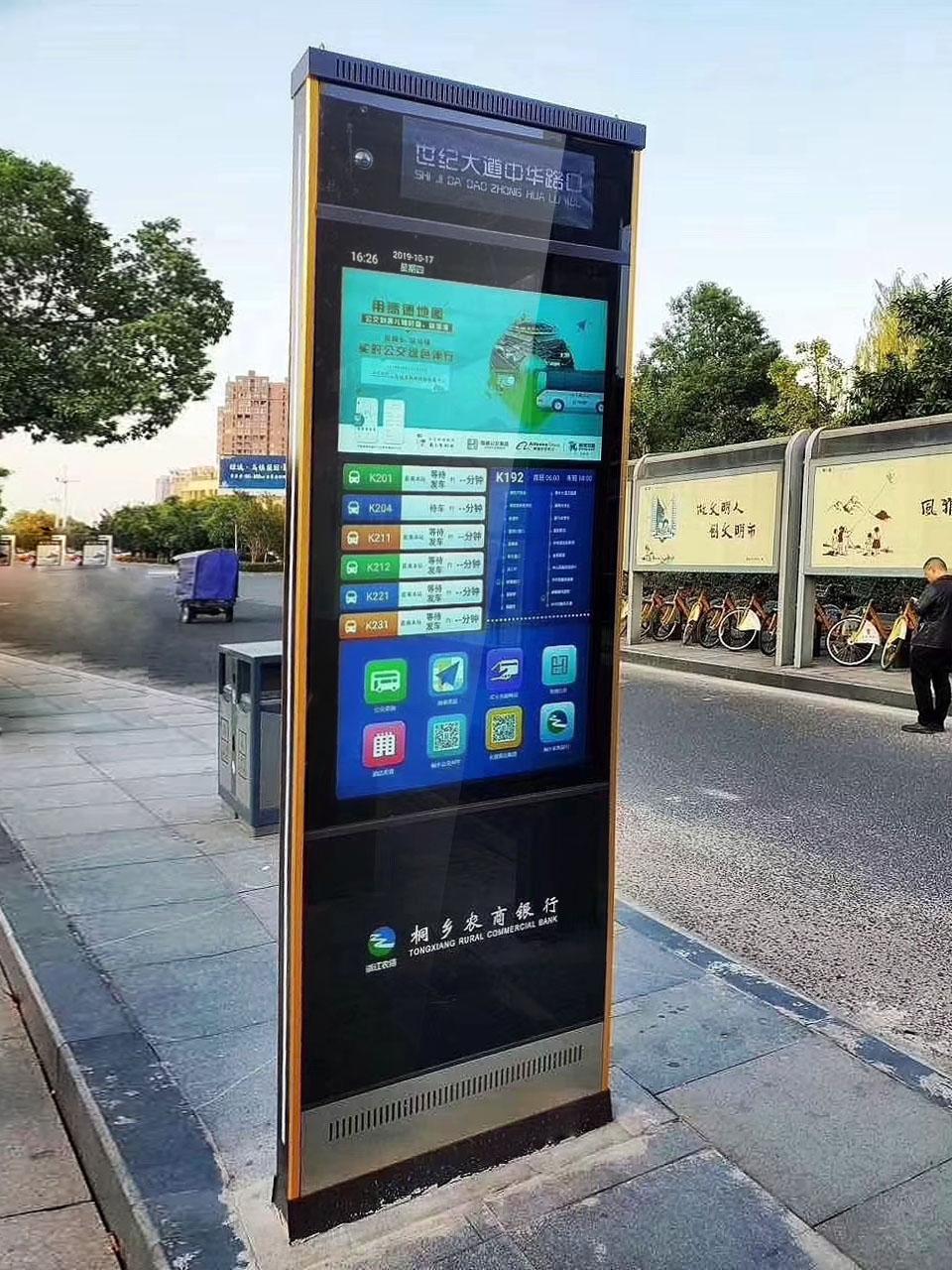
The bus stop, often an overlooked piece of urban furniture, is quietly being transformed by the pulse of the connected city. No longer just a shelter with a timetable, it’s becoming a responsive node that senses its environment, communicates with passing vehicles, and adapts to the people waiting there. Embedded sensors track air quality, noise levels, and crowd density, while dynamic displays offer real-time arrivals, route changes, and neighborhood information that shifts with the time of day. This reimagining turns a mundane wait into an interactive urban moment, where the stop itself becomes a participant in the flow of the city rather than a static marker along it.
Designers and city planners are now treating bus stops as micro-platforms for digital equity and community engagement. Instead of isolating technology in personal devices, they’re weaving it into the physical fabric of these spaces: free Wi-Fi, device charging tucked into seats, and touchpoints for civic services turn the stop into a shared resource. Locals might check air quality before a jog, tourists grab a transit pass without a kiosk, and emergency calls can be made directly from the shelter frame. By layering connectivity into the structure itself, the bus stop becomes a low-barrier gateway—especially valuable in neighborhoods where private broadband isn’t a given.
Yet the shift raises quiet questions about privacy, maintenance, and whether we’re designing for hype or for human habit. A beautifully smart shelter means little if real-time data shows buses consistently late, or if the interface confuses elderly riders. The most successful redesigns aren’t the flashiest; they’re the ones where technology fades into the background, supporting a sense of safety and ease. When done thoughtfully, the connected bus stop reclaims waiting as an acceptable, even pleasant, part of the journey—offering a moment of pause in a city that rarely stops moving.
Smart Signs That Learn and Adapt to Commuter Needs
Gone are the days of static, one-size-fits-all transit displays. Today's smart signs observe how people move through stations—quiet weekday mornings versus packed event evenings—and adjust on the fly. They might show real-time platform changes when delays hit, or highlight the nearest coffee kiosk during the early rush. It’s less about broadcasting generic updates and more about reading the room, literally, to serve what commuters actually need at that moment.
These signs tap into live data streams like gate entries, weather reports, and even crowd-density sensors to anticipate questions before they’re asked. When rain suddenly hits, they prioritize umbrella-friendly exits or bus connections, swapping out the standard map for an overlay of covered walkways. The system isn’t just reactive; it learns patterns over time, so the Tuesday-after-holiday sign sequence might differ completely from a regular Monday, all without human reprogramming.
What sets them apart is a quiet kind of adaptability that feels intuitive rather than algorithmic. Instead of flashing every possible piece of information, they offer a carefully curated few that match the immediate context. Commuters walk through a station and feel understood—maybe noticing a hint for a quieter carriage or a suggested shortcut when their usual exit is congested. It’s not just smarter signage; it’s a shift toward public spaces that actively participate in smoothing out the daily journey.
Green Tech on the Curb: Solar-Powered Information Hubs
Tucked into the fabric of city sidewalks, a new breed of street furniture is redefining public space. These solar-powered information hubs replace static signage with interactive touchscreens, real-time transit updates, and community event calendars—all running on energy drawn from the sun. By converting a simple kiosk into a self-sustaining node of urban connectivity, they offer a glimpse of how everyday infrastructure can double as a clean energy asset.
Beyond their role as digital bulletin boards, these hubs often provide free public Wi-Fi, device charging ports, and environmental sensors that monitor air quality and noise levels. The integrated solar panels and battery storage allow them to operate off-grid, remaining functional during power outages when reliable access to information becomes critical. Their modular design also means cities can add new capabilities over time, from emergency alerts to cultural exhibits, without major construction or additional electricity costs.
Perhaps the most striking feature is their ability to blend into the streetscape while nudging public behavior toward sustainability. Pedestrians who stop to check a map or charge a phone witness renewable energy at work firsthand, turning an ordinary moment into a subtle lesson in self-sufficiency. In this way, the hubs become more than tools—they act as quiet ambassadors for a future where green technology is neither hidden nor extraordinary, but simply part of the path we walk on.
From Static Poles to Interactive Urban Storytellers
City poles once stood silent and unnoticed—mere structural necessities holding lamps or signs. They framed streets without ever speaking to them. Today, however, these overlooked fixtures are awakening. Embedded with sensors, displays, and connectivity, they’re shifting from passive infrastructure into active participants in urban life. This evolution isn’t just about technology; it’s about reimagining what a city fixture can be. Poles are becoming storytellers, curating local narratives and responding to the rhythms of the people around them.
The transformation turns each street corner into a point of engagement. Imagine a pole that lights up to share a historical anecdote as you pass, or one that hums with real-time poetry generated from nearby conversations and weather data. These are no longer static objects but dynamic interfaces—blending art, information, and environment. They learn from the flux of the city, offering layered experiences that change with time of day, season, or community mood. It’s a subtle, ambient form of communication that doesn’t demand attention but gently invites it.
This shift redefines the urban experience. Where once we simply walked by, we now might linger, listen, or even contribute. These storyteller poles can spark curiosity, honor local heritage, or simply make a mundane commute feel a little more human. They prove that the fabric of a city is not fixed—it can become a living, responsive canvas. In the end, the poles themselves disappear, replaced by a seamless blend of place and narrative that connects us more deeply to the spaces we share.
FAQ
They focus on real-time data integration that adapts to traffic, weather, and crowd levels, making transit feel more responsive and human-centered rather than just a tech upgrade.
Riders get live arrival counts, service alerts, and even sidewalk-level directions to nearby points of interest, which cuts down confusion and waiting stress significantly.
The displays use low-power e-ink and solar-charged batteries, and by optimizing bus flow through connected data, they help reduce idling and emissions across the fleet.
Absolutely. They sync with traffic lights, pedestrian sensors, and emergency systems, so the whole transit network can adjust in real time for events or incidents.
They work hand-in-hand with cities, transport agencies, and IoT providers from day one, co-designing solutions rather than just selling hardware, which leads to more tailored outcomes.
All passenger data is anonymized on the edge before processing, and the system relies on aggregate patterns—never individual tracking—to suggest routes or predict demand.
They're piloting predictive maintenance on signage and using machine learning to forecast micro-mobility needs near bus stops, so the entire first-last-mile journey gets smarter.
Conclusion
Public transit is undergoing a quiet but profound shift, and a digital bus stop sign company is at the heart of this transformation. By reimagining the humble bus stop as an intelligent, connected hub, they are turning everyday commutes into smoother, more informed experiences. Gone are the days of static timetables and uncertainty—these next-generation displays pull in live data feeds, showing arrival predictions that adjust in real time based on traffic and delays. The design prioritizes the passenger, with clear, legible screens that consider viewing angles, weather conditions, and accessibility needs. It’s a human-first approach that makes public transport feel less like guesswork and more like a reliable service.
Beyond real-time updates, the technology learns from usage patterns, adapting content density to peak hours or even suggesting alternate routes when disruptions occur. The signs themselves are becoming more than just information points—they’re interactive storytellers, weaving in local history, cultural notes, or wayfinding tips that engage riders and visitors alike. And all of this runs on sustainable power; solar-paneled canopies and low-energy e-ink displays keep the system green and cost-effective. In an era of connected cities, these smart signs serve as nerve endings for urban mobility, quietly collecting and sharing the data that helps entire transit networks run more efficiently. What started as a simple pole with a schedule has evolved into a dynamic, responsive element of the streetscape—proof that the future of city travel is already here, glowing at a stop near you.
Contact Us
Contact Person: Leo
Email: [email protected]
Tel/WhatsApp: +86 18901905138
Website: https://www.zemsogroup.com/