Durable All in One Solar Street Light: A Complete Guide to Long-Lasting Outdoor Illumination
2026-07-12
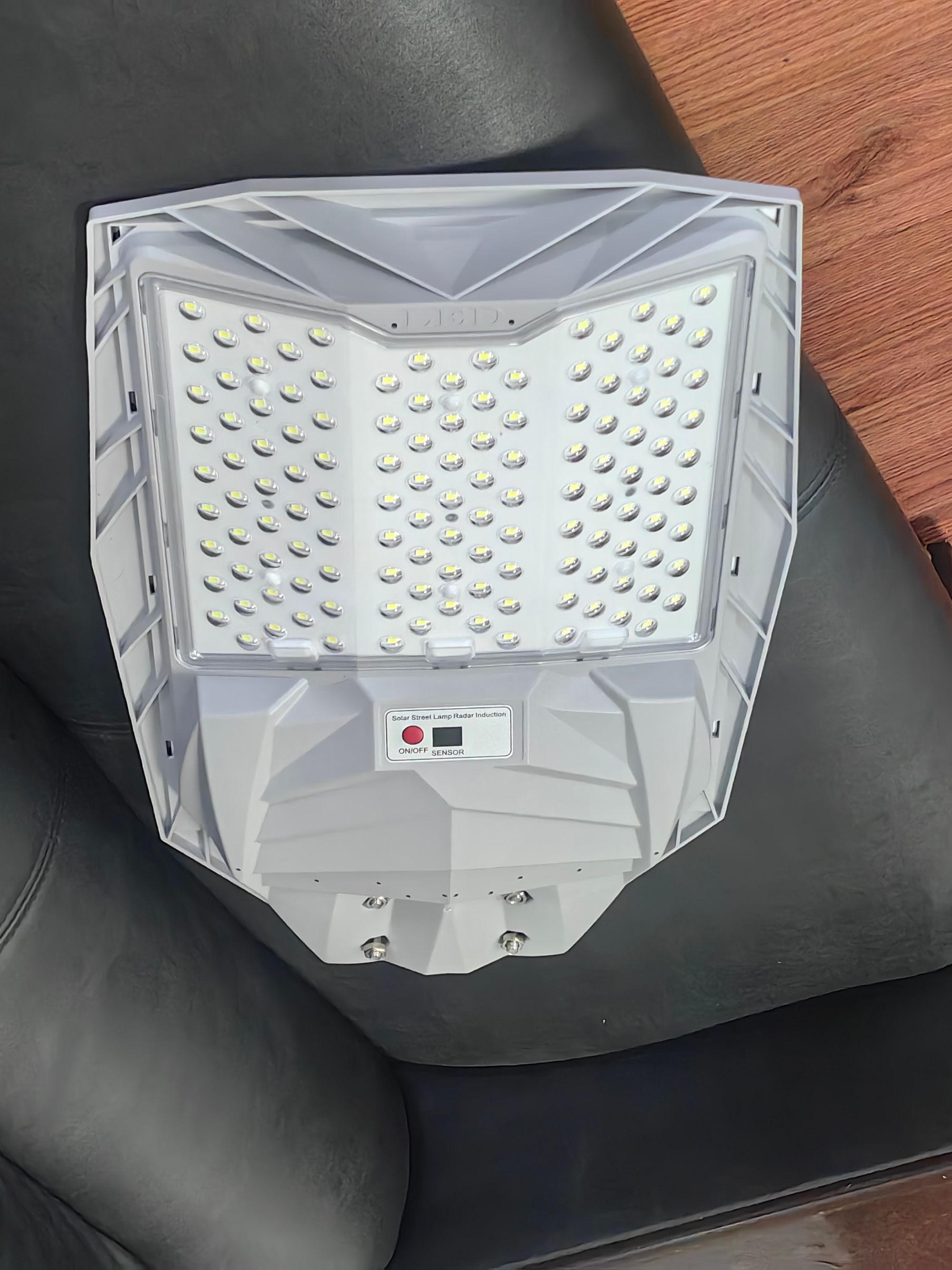
When it comes to reliable outdoor lighting, a durable all-in-one solar street light eliminates the hassle of complex wiring and frequent maintenance. These self-contained units combine high-efficiency solar panels, long-life batteries, and advanced LED technology into a single robust fixture. But not all solar street lights are built equal. That’s where SRS stands apart—engineering solutions that deliver consistent, year-round performance even in challenging environments. In this guide, we’ll explore what makes a solar street light truly long-lasting, from rugged build quality to intelligent energy management, helping you make a smart investment for any outdoor space.
What Makes an All-in-One Solar Street Light Truly Durable
Durability in an all-in-one solar street light starts with the materials. Forget the flimsy plastics you see in cheap imports—truly tough units use marine-grade aluminum alloy for the housing, which resists corrosion even in salty coastal air. The lens is often tempered glass, not acrylic, so it won’t yellow or crack under intense UV exposure or thermal shock. Inside, the lithium iron phosphate (LiFePO4) battery is a game-changer: it handles thousands of deep discharge cycles without losing capacity, and it’s far less likely to overheat compared to standard lithium-ion. All these components are sealed tight with silicone gaskets to achieve an IP65 or higher rating, keeping out dust, rain, and bugs. It’s this careful material selection that lets the light shrug off years of harsh weather without rusting, warping, or dimming prematurely.
But durability isn’t just about surviving a storm—it’s about maintaining performance over time. A well-designed all-in-one light uses an intelligent battery management system (BMS) that actively prevents overcharging, deep discharge, and temperature extremes. This isn’t just a safety feature; it directly extends the lifespan of the battery and LED chips. The LEDs themselves matter too: quality lights use top-tier chips like Lumileds or Cree, which stay bright for 50,000+ hours with minimal lumen depreciation. Paired with a highly efficient MPPT charge controller, the system harvests maximum solar energy even on cloudy days, so the battery doesn’t sit in a perpetually undercharged state—a common killer of solar lights. The result is a light that still delivers full brightness at 3 a.m. years after installation, while cheaper units have already flickered out or gone dim.
Finally, think about the physical design. All-in-one units integrate everything into a single compact body, which eliminates the vulnerable wires and connectors between separate panels, batteries, and fixtures. Without those failure points, there’s less for wind, animals, or accidents to damage. The streamlined shape also sheds wind load better than a traditional panel-on-pole setup, so it’s less likely to get twisted or knocked offline during a gale. Add in a robust mounting bracket made of stainless steel or hot-dip galvanized steel, and you’ve got a light that stays put and keeps working year after year with zero maintenance. When every part is designed to work together and fight the elements, you don’t just get a light—you get a reliable piece of infrastructure that’s built to outlast most things around it.
Key Components That Extend Outdoor Lifespan
Materials set the foundation. Items built with marine-grade stainless steel, powder-coated aluminum, or high-density polyethylene tend to resist corrosion and UV damage far longer than standard counterparts. Fabrics matter too—solution-dyed acrylics and PVC-coated polyester hold color and repel moisture season after season, while cheaper blends quickly mildew and fade.
Design rarely gets enough credit. Overlapping seams, angled drain holes, and sealed bearing housings keep internal components dry and functional. Small touches like rubber gaskets around cable entries or recessed hardware that doesn’t collect standing water make a sizable difference. Poor design can ruin even the toughest material within a year.
Protective coatings and routine maintenance seal the deal. A UV-stable clear coat shields underlying surfaces from sun damage without yellowing. Sacrificial anodes on metal parts divert galvanic corrosion, while periodically reapplied sealants on threads and joints block moisture creep. Even the best components benefit from simple seasonal wipe-downs and re-lubrication.
Weatherproofing and Material Choices Explained
Choosing the right materials is the cornerstone of effective weatherproofing. Metals like aluminum and galvanized steel naturally resist rust and can endure driving rain, but they often require anodizing or powder coating to prevent corrosion over decades of exposure. Woods such as cedar and teak have inherent oils that fend off moisture and insects, though they still need periodic sealing to maintain their integrity. Even modern composites—blends of recycled wood fiber and polymer—are engineered from the ground up to repel water, resist UV fading, and handle drastic temperature swings without cracking or warping.
Where materials really earn their keep is at the seams and joints. No matter how robust the base material, a single unsealed gap can let water seep in, leading to mold, rot, or freeze-thaw damage. That’s why overlapping joints, integrated gaskets, and flexible sealants like silicone or polyurethane are just as critical as the primary surface. In heavy snow regions, steep roofs with smooth, ice-resistant underlayments prevent dangerous ice dams, while in coastal areas, stainless steel fasteners and fittings become non-negotiable to avoid salt-induced pitting.
There’s no one-size-fits-all solution; the best material strategy balances local climate, maintenance appetite, and lifespan expectations. A sun-scorched desert demands high UV-stable coatings, whereas a humid subtropical zone thrives on breathable barriers that let trapped moisture escape. Even orientation matters—north-facing walls that rarely see sunlight are more prone to moss and damp, calling for materials with natural antifungal properties. Ultimately, smart weatherproofing is less about a single magic material and more about a system where every component, from the outer cladding to the hidden flashing, works together to keep the elements at bay.
Battery and Panel Integration Done Right
When solar panels and battery storage work together seamlessly, the whole system just feels effortless. It’s not about slapping a battery next to an inverter and calling it a day—proper integration means every component shares data in real time so charging and discharging happen only when it makes sense for your actual usage patterns. This eliminates waste, reduces strain on the grid, and gives you true energy independence without constant micromanagement.
The difference often comes down to the brain of the setup: the energy management software. With a well-integrated system, the battery learns your household’s rhythms—storing excess solar during low-rate hours and releasing it exactly when demand spikes. All of this happens invisibly in the background, so you get maximum savings and backup power without ever needing to flip a switch.
Physical integration matters just as much. The best solutions pair panels and batteries that are engineered to match, minimizing conversion losses and eliminating compatibility headaches. Whether you’re mounting a sleek battery unit indoors or a weatherproof pack outside, the hardware should feel like it belongs—not an afterthought bolted on. That’s what “done right” really means: a system that looks clean, runs quietly, and simply works.
Installation and Maintenance Myths Busted
Myths about installation and maintenance often lead to unnecessarily high costs or early equipment failure. One stubborn idea is that professional setup is the only reliable route, no matter the complexity of the task. Plenty of modern products come with clear, jargon‑free instructions and clever design features that make DIY assembly perfectly safe and effective. When you take the time to read the manual and watch a couple of manufacturer videos, you’re often better equipped than a rushed third-party installer who may cut corners.
Another persistent fiction is that maintenance is optional until something stops working. This wait‑and‑see attitude almost always backfires, turning minor wear into major mechanical failures. Quick monthly inspections—checking filters, tightening connections, listening for odd sounds—cost almost nothing and can add years to your gear’s lifespan. You don’t need a toolbox full of specialty items; a flashlight, a cleaning cloth, and a willingness to be proactive are usually enough to keep things humming.
A third myth claims that using generic replacement parts or independent repair services instantly wrecks warranty coverage or system integrity. While mismatched components can cause trouble, many aftermarket options are built to stringent standards and sometimes surpass original specs at a friendlier price. The real safeguard is confirming compatibility and sticking with reputable suppliers, not automatically handing extra cash to the original brand for routine upkeep.
Cost vs. Longevity: Smart Buying Considerations
It's tempting to equate a steep price tag with durability, but real-world value isn't so linear. A cheap pair of headphones might die in six months, yet spending ten times more doesn't guarantee they'll last a decade. Instead of fixating on the upfront number, calculate cost per use: a $200 winter coat worn 400 times costs 50 cents per wear, while a $60 version that pills after one season wastes more money and time. This reframing shifts the focus from impulse bargains to long-term satisfaction, making each purchase an investment in daily life rather than a disposable gamble.
Longevity isn't just about physical wear—it's also about adaptability. A classic wool sweater can outlast trends, but a cutting-edge smartphone might become obsolete before its hardware fails. Smart buyers weigh hidden maintenance and repair costs, too. A repairable appliance with accessible parts can double its lifespan for a fraction of the replacement price, while sealed designs push you toward premature upgrades. The sweet spot lies in matching the item's expected relevance to your actual usage timeline, ensuring that what you keep truly keeps up with you.
FAQ
An all-in-one solar street light combines the solar panel, LED lamp, battery, and controller into a single compact unit. Unlike traditional setups that have separate components connected by cables, this integrated design simplifies the entire system, reduces installation time, and minimizes potential points of failure. It's a plug-and-play solution that requires no external wiring, making it ideal for remote or hard-to-reach areas.
Durability is built into every aspect of the design. The housing is typically made from corrosion-resistant aluminum alloy or high-impact polycarbonate, which can withstand harsh weather conditions like heavy rain, snow, and extreme temperatures. The lithium battery inside is often LiFePO4, known for its long cycle life and thermal stability. Additionally, the LED chips and electronic components are sealed to resist dust and moisture, ensuring reliable performance year after year.
A high-quality all-in-one solar street light can have a battery lifespan of 5 to 8 years, depending on usage patterns and environmental conditions. The key factors are the battery type (LiFePO4 batteries are more durable than older lead-acid or basic lithium-ion), depth of discharge during nightly operation, and the local climate. Properly sized batteries that avoid deep discharges and are protected from extreme heat will last significantly longer. Many units also include smart controllers that optimize charging to extend battery life.
Installation is remarkably straightforward and often does not require a professional electrician. Most models come with a mounting bracket that attaches to a standard pole with just a few bolts. Since there's no wiring to connect, you simply secure the light, face the solar panel towards the equator, and switch it on. The whole process can be completed in under 15 minutes per light, making it a popular choice for DIY enthusiasts and communities looking to save on labor costs.
Yes, modern all-in-one solar street lights are engineered to handle variable sunlight conditions. They use high-efficiency monocrystalline solar panels that can generate power even on cloudy days. The smart battery management system stores excess energy during sunny periods to provide illumination during consecutive overcast days. Many designs can deliver 3 to 5 nights of autonomy on a full charge, ensuring that your outdoor space remains lit even when the weather doesn't cooperate.
One of the biggest advantages is the minimal maintenance required. The LED light source rarely needs replacement, often rated for 50,000 hours or more. The main upkeep involves occasionally cleaning the solar panel surface to remove dust, bird droppings, or snow, which can reduce charging efficiency. It's also good practice to check the mounting hardware annually to ensure stability. Beyond these simple steps, the unit is largely self-sufficient, saving you time and ongoing maintenance costs.
Conclusion
An all-in-one solar street light earns its reputation for durability through intelligent design that fuses high-quality components with rugged construction. At its core, the seamless integration of a monocrystalline solar panel and a LiFePO4 battery strikes the perfect balance between energy capture and storage, ensuring consistent illumination even during stretches of cloudy weather. The housing, typically crafted from die-cast aluminum or marine-grade stainless steel and treated with anti-corrosion coatings, shrugs off salt spray, UV rays, and driving rain. Smart thermal management prevents overheating, while shockproof mounting brackets and tempered glass lenses add another layer of resilience. It’s not just about surviving the elements — it’s about maintaining peak efficiency year after year without any intervention.
Beyond the hardware, these lights challenge common assumptions about installation and upkeep. Forget the myth that solar lighting demands constant cleaning or complex wiring: modern units arrive pre-assembled with tool-free brackets and auto-on/off sensors, cutting setup time to minutes. Genuine longevity also hinges on matching the product to the environment — a coastal installation calls for superior salt-fog resistance, whereas an inland roadway might prioritize higher lumen output. When comparing cost against lifespan, a slightly higher upfront investment in an IP66-rated, modular light with a replaceable battery can yield a decade of maintenance-free service, dramatically undercutting traditional grid-tied alternatives. The real value emerges when you stop thinking of it as a purchase and start viewing it as a long-term illumination partnership that resists obsolescence.
Contact Us
Contact Person: kitty
Email: [email protected]
Tel/WhatsApp: +8618676039824
Website: https://www.srssolargroup.com/