Expert Guide to the Best China Suction Dredger Dealer for Your Project
2026-05-24
Landing the right dredging equipment can make or break your waterfront project. If you're sifting through options for a reliable suction dredger, you've likely encountered a sea of suppliers—but few match the precision and durability offered by YaKai Dredger. This guide strips away the guesswork, giving you a clear lens on what separates a seasoned dealer from the rest, and why the right choice upfront saves headaches down the line.
Pinpointing the Right Suction Dredger for Your Waterway
Choosing a suction dredger isn’t just about picking the most powerful machine on the market. The right match depends heavily on the specific conditions of your waterway—things like sediment type, depth, width, and environmental sensitivity all play starring roles. For instance, a cutter suction dredger might excel in hard-packed clay or rock, but it’s overkill for a narrow, shallow canal with loose silt. Meanwhile, a trailing suction hopper dredger offers greater mobility and efficiency for open waters and maintenance dredging, but its draft might limit access to shallower areas. Getting this initial assessment right saves time, money, and headaches down the line.
Beyond the sediment and site dimensions, operational factors often tip the scales. Think about how the dredged material will be handled—do you need to pump it directly to a disposal site far inland, or will it be transported by barge? A plain suction dredger is simpler and more cost-effective for straightforward sand removal, but its lack of a cutting mechanism makes it ineffective against cohesive soils. Additionally, noise and turbidity regulations might push you toward electric or diesel-electric options with precision controls. It’s a balancing act between production targets and real-world constraints like bridge heights, currents, and navigational traffic, all of which influence whether a stationary or self-propelled design makes more sense.
Finally, don’t overlook the long-term picture: maintenance, spare parts availability, and crew expertise. A customized pontoon-mounted dredger might fit perfectly into a unique industrial canal, but if your team isn’t trained to operate and maintain it, downtime will eat into productivity. Considering rental versus ownership models adds another layer—seasonal projects might justify hiring a unit with full support, while permanent installations demand a robust design with local service infrastructure. Matching the dredger to your waterway is less about buying the biggest name and more about aligning technical capabilities with the daily realities of your site, ensuring that the solution remains viable for years to come.
What Sets a Top-Tier China Dealer Apart from the Crowd
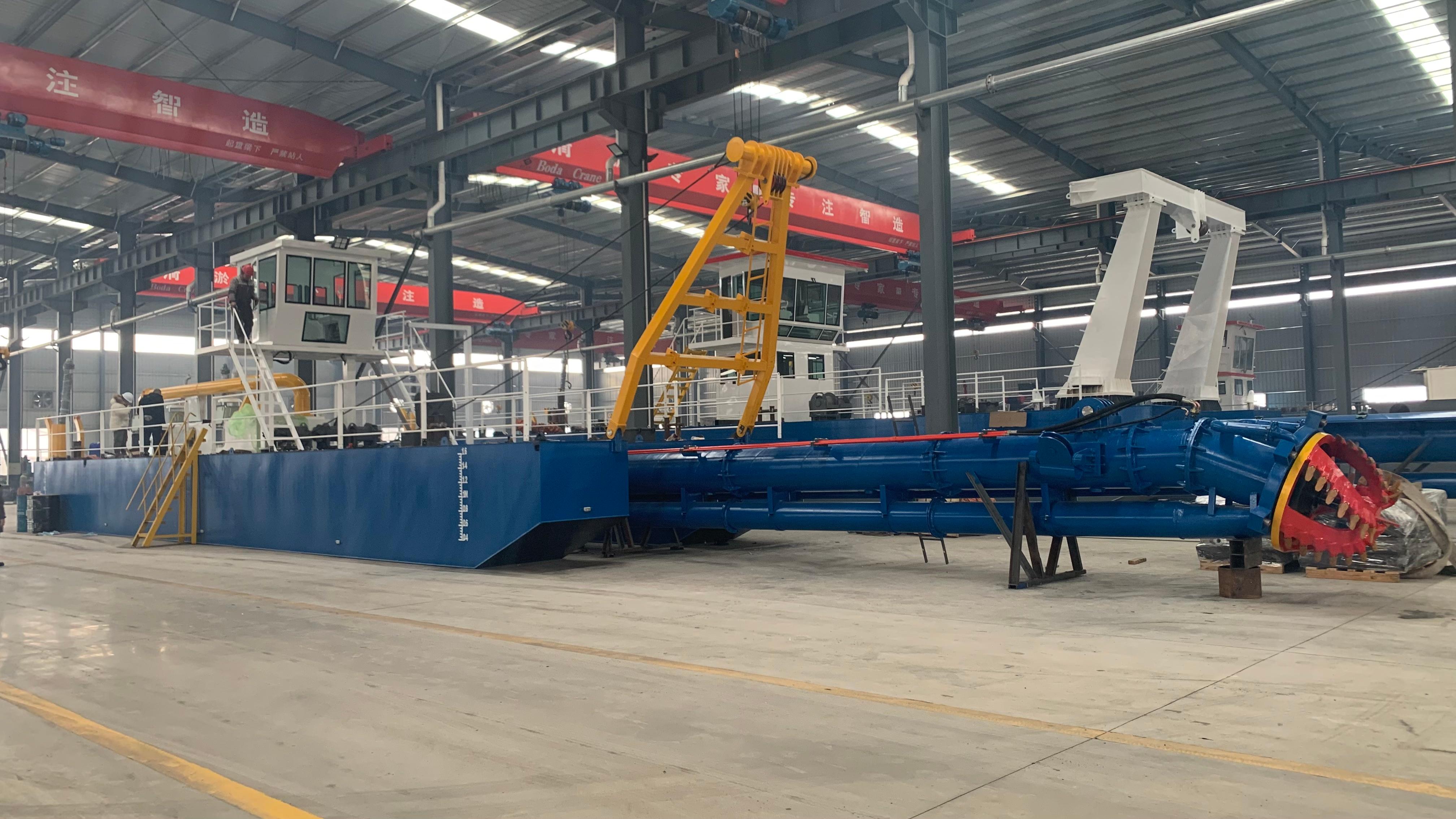
It’s not about flashy promises or the lowest price on paper. The dealers who truly stand out have quietly built an ecosystem that anticipates your needs before you voice them. They know the difference between a standard certificate and one that actually holds weight with regulators in your target market. This depth of practical insight comes from years of walking the factory floors, not just sending emails. When a sourcing hiccup threatens to derail your timeline, they don’t offer excuses—they present a vetted backup plan that’s already in motion, often without you ever asking.
Look beyond the polished showroom and you’ll find that elite dealers obsess over the invisible parts of the transaction. Their logistics partners are handpicked for specific routes, their quality checks happen at multiple stages of production—not just at the final audit—and their relationships with local authorities mean customs clearance rarely becomes a headache. This meticulousness extends to communication: they don’t just speak English; they understand the cultural nuances that can make or break a negotiation. They’ll tell you when a specification is unrealistic and suggest a smarter alternative that saves money without compromising function.
Ultimately, what sets them apart isn’t any single skill but an ingrained habit of taking ownership. While others point fingers at the factory or the shipper, these dealers see your problem as theirs—from inception to doorstep. They earn loyalty not through contracts but through a track record of turning chaos into calm. In a world where many chase the next quick deal, the top tier is quietly building partnerships that last decades, one seamless delivery at a time.
Essential Checks Before You Strike a Deal
Before shaking hands or signing anything, take a hard look at who you're dealing with. A quick online search can uncover patterns of complaints, legal disputes, or even news articles that paint a fuller picture. Don't rely solely on what they've told you—check official registries, professional memberships, and any public financial records you can get your hands on. If something feels off, dig deeper.
Read every word of the contract as if you're expecting a loophole to be hiding in plain sight. Pay special attention to payment terms, cancellation clauses, and what happens if either side fails to deliver. If there's language you don't fully understand, get a trusted advisor to break it down. A few hundred dollars spent on a legal review now can save you a mountain of trouble later.
Pressure tactics are a giant red flag. If the other party insists you must commit immediately or the deal will vanish, step back. Genuine opportunities rarely hinge on a single moment. Give yourself a cooling-off period, talk it through with someone whose judgment you respect, and make sure the decision sits right with you long after the excitement fades.
Voices from the Field: Real-World Dredging Wins
When the Mississippi River was clogging the Houma Navigation Canal with relentless silt, local pilots were losing hours each trip—and dollars with every delay. A field crew decided to shift from traditional cutter suction to a custom water injection approach, mounting high-volume jets on a standard workboat. Within three weeks, the maintained depth jumped by four feet, cutting passage times nearly in half. The real win? No placement contracts, no disposal conflicts—just sediment swept into the current where nature intended.
In the tidal deltas of Bangladesh, villagers were watching their riverbanks vanish, swallowing farmland and homes. A joint team of local engineers and Dutch specialists took a radically simple path: they placed bamboo fence screens along the erosion zones, letting the tide deposit silt behind them. Two monsoon seasons later, the river edge had advanced over thirty meters, creating new land that farmers planted with rice. The project cost a fraction of hard engineering and was entirely maintained by the community—a quiet victory that reshaped both landscape and livelihoods.
Unlocking Hidden Value in After-Sales Support
After-sales support is often viewed as a cost center, but forward-thinking companies recognize it as a strategic asset. By analyzing customer interactions and feedback from support channels, businesses can uncover product improvement opportunities that directly impact the bottom line. For instance, a recurring complaint about a specific feature can guide R&D efforts, preventing future returns and enhancing user satisfaction. This shift from reactive problem-solving to proactive value creation is where hidden potential truly lies.
Beyond product insights, after-sales interactions foster deeper customer relationships. A well-handled support ticket can turn a frustrated user into a brand advocate. Training support teams to not only resolve issues but also identify upsell or cross-sell opportunities—without being pushy—can generate incremental revenue streams. It’s about blending empathy with commercial awareness, transforming a routine call into a moment of genuine connection and value exchange.
Finally, the data generated through after-sales—from warranty claims to service histories—is a goldmine for predictive analytics. By leveraging this information, companies can anticipate failures, tailor maintenance schedules, and even design personalized retention offers. This strategic use of support data moves the function from a necessary expense to a competitive differentiator, unlocking value that many competitors overlook.
Crafting a Project-Ready Partnership That Lasts
Most partnerships fizzle out because they’re built on vague goodwill rather than practical scaffolding. The ones that stick don’t just happen—they’re designed with a shared rhythm of check-ins, clearly mapped responsibilities, and enough flexibility to absorb the unexpected. It’s less about finding the perfect partner and more about co-creating a framework where both sides can deliver without constantly renegotiating the basics.
A project-ready alliance isn’t a handshake deal with a hope and a prayer. It starts by naming the uncomfortable truths early: who actually owns the tricky decisions, what “done” looks like from both angles, and where the off-ramps are if things shift. When the upfront work is boring and specific, the collaboration itself runs on muscle memory, not on frantic calls three months in.
Long-term durability comes from treating the partnership as a living system, not a one-time contract. The strongest teams bake in small, regular feedback loops that keep resentment from piling up and make adjustments feel natural. When the process is robust but not rigid, you stop worrying about whether the relationship will survive the next deadline—and start trusting that it’s built to take the hit.
FAQ
A reliable dealer stands out through proven track records with government or international dredging contracts, transparent documentation of previous deliveries, and the ability to provide customized solutions that align with your project's soil type and capacity needs—not just off-the-shelf machinery.
Start by requesting a detailed performance test video under real working conditions, check for material certifications like steel grades and pump alloys, and if possible, arrange a third-party inspection of a similar model currently operating. Don't rely solely on factory visits; speak directly with a past customer who ran the equipment for over a year.
Beyond the price tag, factor in local import duties, potential retrofitting to meet your country's safety codes, spare parts for critical components like the pump impeller and cutter head, and training for your crew—many dealers offer this separately, and skimping on it often leads to expensive operational downtime later.
The better dealers have dedicated logistics partners experienced in oversized cargo. They manage not only sea freight but inland transportation and assembly at your waterway. Confirm that the dealer includes full logistics support in the contract, with clear milestones and penalties for delays, rather than handing you a pile of shipping documents to sort out yourself.
Insist on a service agreement that guarantees a response within 48 hours for critical breakdowns and includes an on-site technician within a week. The best dealers stock critical parts in regional hubs and offer remote diagnostics. Don't settle for just a parts catalog and a phone number; make sure the warranty has teeth with specific uptime promises.
A sand extraction dredger prioritizes high throughput and heavy-duty pumps often with rubber-lined components, while an environmental dredger uses a much more precise cutter head with shrouding to minimize turbidity and an automated swing system for thin-layer removal. The dealer should ask you detailed questions about your sediment composition and discharge distance before recommending a design.
Go beyond the initial quotation and ask for a bill of materials that specifies the brand and origin of each major component—pumps, motors, gearboxes. Some dealers cut corners by substituting cheaper domestically branded engines unless you explicitly lock them in the contract. Also, negotiate the acceptance test criteria upfront, including expected output in your specific material type, not just design figures.
Conclusion
Finding the ideal suction dredger for your waterway project is rarely a one-size-fits-all exercise. It demands a clear-eyed assessment of sediment type, depth, and operational scale, alongside a dealer who can translate those specifics into a machine built for the job. China’s leading dealers distinguish themselves not just by competitive pricing, but by engineering flexibility and an ability to customize hulls, pumps, and automation to regional demands. Before committing, smart buyers dig beyond brochures, verifying factory credentials, past performance, and genuine customer feedback. The real difference often surfaces in the field—projects where a custom trailing suction hopper dredger restored a silted port lane ahead of schedule, or a simple cutter suction unit doubled output in a mining pond thanks to dealer-advised modifications. Such results stem from a partnership mindset, not a transactional one.
After-sales support often decides long-term project economics. Top Chinese dealers invest in remote monitoring, predictive maintenance plans, and fast-track spare parts logistics that minimize downtime. More than that, they embed their engineers in your planning cycle, turning a supplier into a collaborator who anticipates wear-part replacements and seasonal adjustments. Building a project-ready partnership means looking for a dealer willing to co-design solutions, share risk through flexible warranties, and train local crews. Whether it’s a first-time buyer navigating a coastal reclamation or a repeat contractor expanding a fleet, the best China suction dredger dealers stay with you long after the contract is signed, ensuring every cubic meter moves as planned. That hidden value transforms a capital purchase into a lasting operational advantage.
Contact Us
Contact Person: Nancy
Email: [email protected]
Tel/WhatsApp: (+86) 13869631558
Website: https://www.yakaidredger.com/