
Garment RFID Label Company Insights: Modernizing Apparel Supply Chains
2026-05-22
The apparel industry is undergoing a quiet revolution, one stitch at a time. From inventory chaos to counterfeiting nightmares, fashion brands are discovering that the humble RFID label can rewrite their supply chain story. At the center of this shift is OSRFID, a company steadily building a reputation for turning complex tracking challenges into streamlined, real-world solutions. But what does it really take to modernize a supply chain without wasting time or resources? This article peels back the layers.
The Silent Shift: How RFID Labels Reshape Apparel Logistics
In the backrooms of retail and the arteries of supply chains, a quiet transformation is taking hold. RFID labels, once a niche technology for tracking high-value assets, are now woven into the very fabric of apparel logistics. Unlike barcodes that demand line-of-sight and manual scanning, these tiny tags broadcast their presence the moment they pass a reader, turning a once-laborious inventory check into a near-instantaneous sweep. A pallet of shirts rolls through a dock door and, without a single human hand lifting a scanner, the entire consignment is logged, sorted, and routed. It’s a subtle shift away from the clunky choreography of logistics, replacing guesswork with a steady stream of accurate, real-time data.
The ripple effects extend far beyond the warehouse. For garments in transit, RFID provides a thread of visibility that stretches from factory to store rack. Stockouts become rarer when systems know precisely where every variant—size, color, style—sits in the pipeline. Returns, long the headache of fashion logistics, lose their friction as items are scanned back into inventory in seconds, ready to be sold again without languishing in processing purgatory. Even the in-store experience bends around this technology; smart fitting rooms and shelves that restock themselves are no longer just concepts but practical realities built on the silent hum of radio-frequency identification. What emerges is a logistics network that doesn’t just move boxes—it listens, adapts, and keeps the right clothes in the right hands at the right time.
Cutting the Cord on Manual Counts: Real-Time Stock Visibility
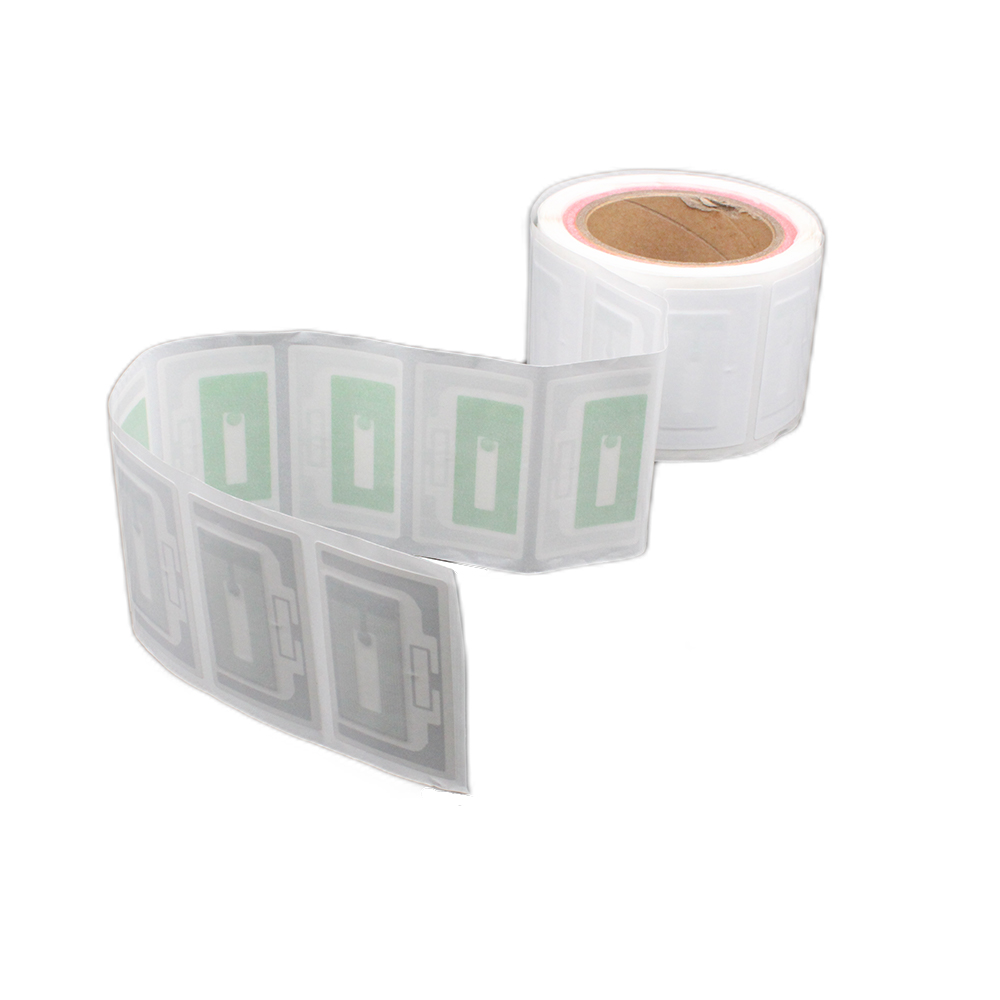
Imagine never having to walk the aisles with a clipboard again. With instant access to live inventory levels, teams can shift from tedious manual counts to strategic work that actually moves the needle. No more guessing, no more end-of-day surprises—just a clear, current picture of what's on hand, what's moving, and what's gathering dust.
This shift doesn't just save time; it reshapes how decisions get made. A warehouse manager can reorder before a hot item dips dangerously low. A sales associate can promise a customer with confidence that the last unit is, in fact, in the back. When everyone sees the same real-time data, silos crumble and cross-team collaboration becomes second nature.
And the impact on accuracy is something spreadsheets simply can't touch. Manual tallies are error-prone—a missed scan, a fat-fingered entry, a delayed update. Real-time tracking eliminates those gaps, catching discrepancies as they happen. It's the difference between flying blind and having a dashboard that actually reflects reality, helping businesses stay lean, responsive, and ahead of the curve.
Beyond the Tag: Data-Driven Decisions in Fashion Supply Chains
Fashion has long been driven by intuition, aesthetics, and the gut feel of a creative director. But behind every decision—from fabric selection to distribution—there’s a supply chain that increasingly runs on numbers, not just taste. The tag sewn into a garment only tells part of the story; the real narrative lives in the data flowing through production pipelines, inventory systems, and customer feedback loops. Brands that move “beyond the tag” are tapping into real-time analytics to forecast demand spikes, reroute shipments around bottlenecks, and even adjust designs mid-season based on what’s actually selling.
This shift toward data-driven decision-making changes the role of every link in the chain. A factory floor manager no longer relies solely on spreadsheets and phone calls—sensors and IoT devices feed live production stats into dashboards that highlight inefficiencies before they become costly delays. On the retail end, point-of-sale signals and social media sentiment analysis inform dynamic replenishment strategies, turning what used to be a reactive process into a proactive one. Rather than simply reacting to a pile of unsold stock, teams can now spot emerging micro-trends and allocate resources accordingly, reducing waste and increasing margins.
Yet for all its promise, this data-centric model demands a new kind of literacy across the industry. It isn’t enough to collect terabytes of information; the real challenge lies in asking the right questions and building trust in the algorithms that answer them. A regional warehouse might resist automated stock rebalancing if local managers don’t understand the logic behind it. So beyond the dashboards and predictive models, there’s a human layer—one where cross-functional teams learn to interpret data together, bridging the gap between spreadsheet and design studio. The tags on our clothes may still whisper “made in,” but the supply chains that put them there are speaking a digital language all their own.
From Factory Floor to Fitting Room: A Seamless Journey
In a sprawling workshop, bolts of fabric are transformed by nimble hands and precise machinery. Each stitch tells a story of intention—whether it’s a reinforced seam on a denim jacket or the delicate hem of a silk blouse. Here, tradition meets technology, but the human touch remains irreplaceable.
Once assembled, every piece passes through a series of checkpoints where consistency and detail are scrutinized. Packaging isn’t merely about protection; it’s the first impression the garment makes as it leaves the production line. Coordinated logistics then weave a quiet network, moving these items from one continent to another until they land softly on store shelves.
The final chapter unfolds in the fitting room. Harsh lighting and angled mirrors offer a moment of truth where fabric, cut, and wearer converge. It’s no longer about supply chains or shipping routes—just a person deciding if the garment feels like them. That quiet “yes” closes a loop that began miles away, on a factory floor alive with purpose.
Sustainability Woven In: RFID’s Role in Reducing Waste
Radio Frequency Identification isn’t just about tracking inventory—it’s becoming a quiet force in the fight against waste across industries. By embedding tiny, durable tags into products and packaging, companies gain real-time visibility that dramatically cuts down on overproduction. Instead of guessing demand, they can adjust manufacturing in the moment, ensuring that fewer unsold goods end up in landfills. This lean approach is already reshaping supply chains, aligning profit with planet-friendly practices.
In the apparel sector, for example, RFID lets brands trace a garment’s entire journey from fiber to store shelf. This transparency encourages smarter design: if a particular style consistently languishes on racks, the data pushes designers toward longer-lasting, more desirable pieces rather than chasing fast-fashion trends. The result is a reduction in textile waste, which accounts for a staggering amount of global pollution. Even after purchase, embedded tags can help consumers resell or recycle items responsibly, extending the product’s life span.
Beyond manufacturing, RFID is transforming how we handle end-of-life products. Returnable transport packaging—crates, pallets, and containers—can be monitored to maximize reuse cycles, eliminating the need for single-use alternatives. In food retail, dynamic expiration tracking based on real conditions, rather than conservative printed dates, means perfectly edible goods aren’t discarded prematurely. It’s a subtle but powerful shift: waste isn’t managed at the end of the line; it’s prevented from being created in the first place.
Case in Point: How Leading Brands Are Quietly Modernizing
Across industries, a subtle revolution is taking place. Major brands are swapping out clunky legacy systems for sleek, modular architectures, but they’re doing it without fanfare. A global retailer recently overhauled its supply chain platform piece by piece over 18 months, avoiding a single moment of disruption. Customers never noticed the shift, yet operational speed improved by 30% almost silently.
Similarly, a legacy airline reinvented its booking engine behind the scenes. Instead of a flashy relaunch, engineers gradually migrated services to a cloud-native environment, maintaining the familiar interface while tripling transaction capacity. The lesson here is discipline: modernisation need not be a spectacle. It’s often the quiet, iterative improvements that keep a brand competitive without alarming loyal users.
Even in manufacturing, a century-old toolmaker is embedding IoT sensors on factory floors, feeding data into predictive models that prevent downtime. The project hasn’t made headlines, but defect rates have fallen by double digits. These brands prove that meaningful change often whispers rather than shouts.
FAQ
The core motivation lies in solving persistent industry pain points like inventory inaccuracies, shrinkage, and slow manual processes, which ultimately erode margins and customer trust.
It shifts inventory counts from periodic, error-prone manual checks to continuous, automated tracking, enabling real-time visibility across every touchpoint from factory to fitting room.
They unlock data-driven replenishment, empower frictionless self-checkout, verify authenticity, and create richer customer interactions through smart fitting rooms and personalized recommendations.
Rising e-commerce returns, demand for omnichannel agility, and sustainability pressures make accurate, item-level data non-negotiable, and specialized RFID companies provide the integrated hardware, encoding, and analytics needed at scale.
By giving each garment a unique digital identity, they facilitate traceability for resale, recycling, and material recovery, helping brands prove circularity and comply with emerging regulations.
Challenges like tag interference on certain fabrics, reader performance in dense tag populations, and data integration are addressed through customized tag design, rigorous testing, and seamless API connections to existing ERP systems.
UHF RFID with enhanced read ranges, battery-free sensor tags for care compliance, and integration with IoT platforms are turning garments into interactive assets that communicate condition, location, and authenticity throughout their lifecycle.
By linking each garment tag to online content, styling tips, or virtual try-ons, brands create a unified phygital journey that deepens engagement and extends the relationship beyond the point of sale.
Conclusion
Across the apparel industry, RFID labels are quietly upending logistics without the fanfare of a headline-grabbing revolution. The shift is subtle yet profound: once-manual stock counts that devoured hours and bred errors are being replaced by instant, accurate scans that traverse entire pallets in seconds. This real-time visibility doesn’t just streamline warehouses—it transforms how brands react to demand, slashing out-of-stocks and overstocks alike. From the factory floor to the fitting room, garments now carry a digital thread that weaves a seamless journey, ensuring that what arrives on shelves matches exactly what was promised in the supply chain.
But the true power of RFID extends far beyond the tag itself. It fuels data-driven decisions that reshape fashion supply chains, letting companies peel back layers of inefficiency with pinpoint analytics. Leading brands are already reaping the rewards, embedding sustainability into their operations by cutting waste through precision tracking—fewer lost items, less overproduction, and a tighter hold on inventory lifecycle. These quiet modernizers prove that innovation doesn’t need to be loud; sometimes it just needs to be woven into the fabric of everyday operations, where the real impact is felt.
Contact Us
Contact Person: Esme Mo
Email: [email protected]
Tel/WhatsApp: 0086 191 2931 7837
Website: https://www.osrfidglobal.com/