
Gas Station Machine Company: Top Solutions for Modern Fuel Retailers
2026-10-14
Running a modern fuel retail business means more than just selling gas—it's about speed, accuracy, and equipment that won't let you down. Yet many station owners still struggle with outdated dispensers, faulty payment systems, or machines that break at the worst possible time. That's where the right gas station machine company makes all the difference. In this post, we'll explore the top solutions reshaping fuel retail today, from high-flow dispensers to smart management systems. And when it comes to reliable, future-ready hardware, BEILIN has quietly become the go-to name for retailers who refuse to compromise. Read on to see what your station might be missing.
Dispensers That Don’t Blink When Fuel Formulas Change
Fuel dispensers often struggle when blends shift—ethanol ratios creep up, biodiesel content varies, or additives alter viscosity. A dispenser that doesn't blink under these changes treats the fuel as a moving target. Its meter and valve assembly are built with wider tolerances and materials that shrug off corrosive oxygenates, so you don't get sticking valves or drifting calibration after every delivery.
The logic board matters just as much. Instead of locking to a fixed density or dielectric constant, it samples the flowing product continuously and adjusts cut-off thresholds on the fly. That means a switch from E10 to E15, or a splash of renewable diesel, doesn't trigger false slow-downs or short fills. The nozzle, too, is designed to sense back-pressure rather than relying on a single tuned orifice, which keeps auto-shutoff dependable even when the fuel's surface tension changes.
For station owners, this removes a lot of guesswork. There's no need to reflash firmware every time the fuel truck shows up with a new seasonal blend, and fewer service calls for metering errors or vapor recovery faults. The dispenser simply keeps counting liters accurately and stops when the tank is full, regardless of what the refinery decided to mix this month.
Card Readers That Survive Weather, Wear, and Impatient Drivers
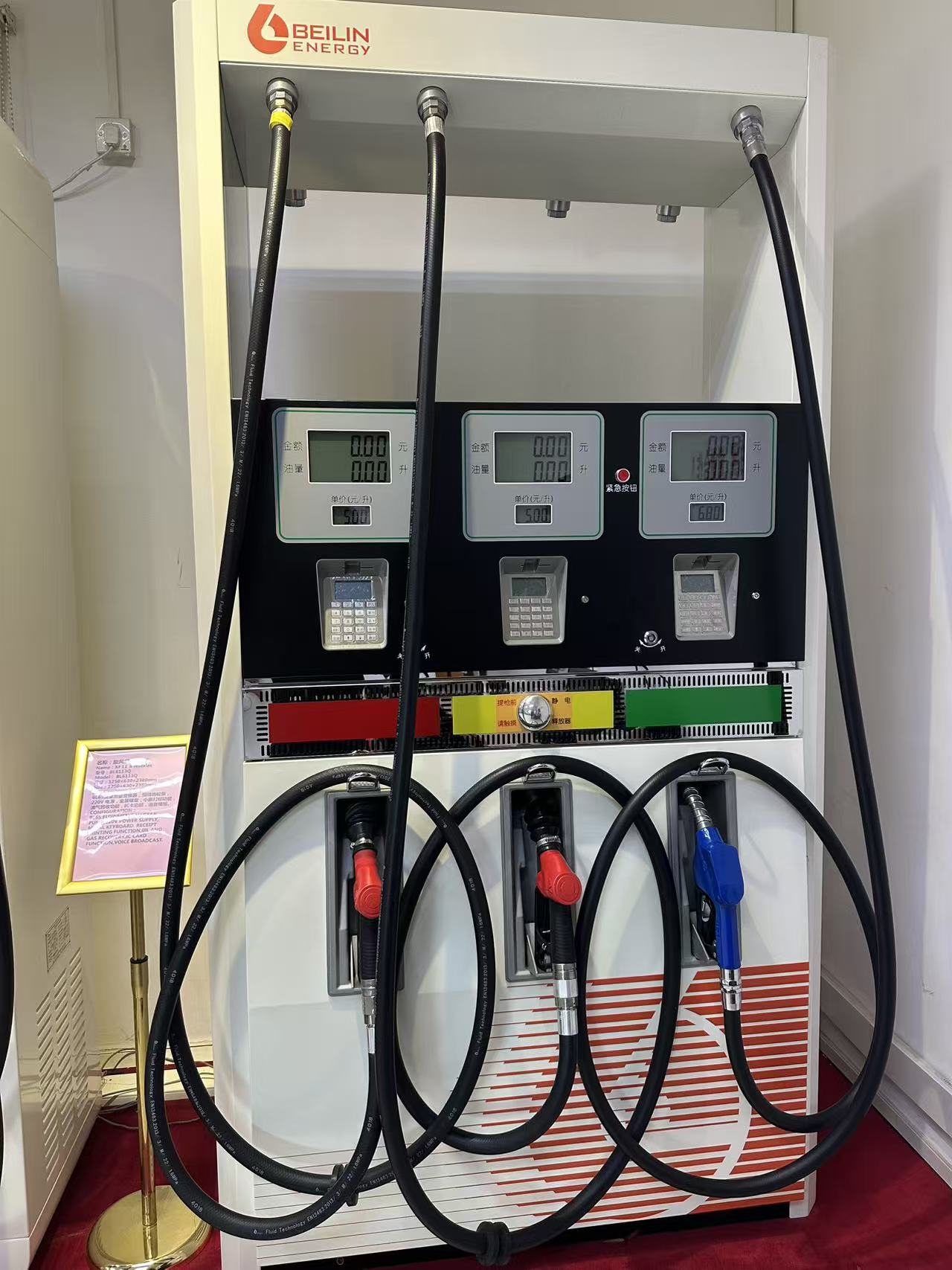
Card readers in drive-through lanes and parking garages take a beating that indoor units never see. Between scorching sun, freezing rain, and the occasional driver who stabs at the screen like it owes them money, the hardware has to be built for abuse. We’ve seen units with sealed keypads that still register swipes after a dust storm, and bezels that shrug off a coffee spill without shorting a single circuit.
The real test isn’t just surviving the elements—it’s staying responsive when hands are wet, gloved, or moving too fast. Rubberized card slots with drainage channels prevent water from pooling, while optical sensors ignore glare that would blind a cheaper reader. And for the impatient driver who taps the screen three times before the beep? A good outdoor reader debounces those inputs without locking up or misreading the next card.
What separates the long-lasting units from the disposable ones is how they handle the little things: UV-stable plastics that don’t yellow and crack, stainless steel fasteners that won’t rust after one winter, and a front bezel angled so rain runs off instead of into the card path. If a reader can take a power washer to the face on Monday and still process a tap on Friday, that’s the one you want mounted outside.
Remote Diagnostics That Call the Tech Before You Do
The machine barely has time to hiccup before your phone rings. A technician already knows the fault code, the affected module, and which replacement part is on the shelf. Remote diagnostics flips the old routine: no describing symptoms over the phone, no guessing, no waiting for a first visit just to gather data. The system pulls logs, flags anomalies, and triggers an alert that includes a clear action plan.
That call often comes while the equipment is still running in a reduced state. The tech can decide remotely whether to adjust parameters, schedule a shutdown, or order a part for the next maintenance window. It cuts out the frantic back-and-forth and reduces the chance of a small sensor drift turning into a full production stop.
For teams stretched thin, this changes the meaning of responsive support. Instead of reacting when someone finally notices a warning light, remote diagnostics makes the first move. It gives maintenance a head start, shortens downtime, and turns the service call into a confirmation rather than an investigation.
Tank Monitoring That Ends the Stick-and-Pray Routine
For years, operators climbed tanks with a wooden stick, dipped it into fuel or chemicals, and squinted at a wet line. If the angle was off, the light was bad, or the tank had internal baffles, the reading was little more than a guess. You marked a number on a clipboard and hoped the next check would catch a leak or a low level before it became an emergency. That stick-and-pray routine wasted hours, put workers at risk, and still let small losses go unnoticed until they turned into big bills.
Modern tank monitoring replaces the dipstick with sensors that sit inside the tank and report level, temperature, and even pressure every few minutes. You get a live dashboard on your phone or computer, not a smeared mark on a stick. Alerts can be set for sudden drops, slow seeps, or when a tank is about to run dry. Instead of scheduling a manual round at 6 a.m., the system pings you only when something actually needs attention. That means fewer trips up a ladder and fewer surprises after a long weekend.
The real shift is from reacting to knowing. A well-configured monitor shows trends over time: which tank drains faster in cold weather, which one has a slow fill valve, which site tends to run low before a delivery. You can plan refills, catch theft, and prove compliance without digging through paper logs. It turns a vague ritual into a clear, current picture of what is in every tank, at every site, right now.
Retrofit Options That Bring EV Charging Without a Full Rebuild
Many property owners assume adding EV charging means digging up parking lots and replacing electrical panels. There are retrofit kits that mount onto existing light poles or bollards, tapping into the same circuits used for outdoor lighting. Because these circuits often sit idle during the day, they can deliver a steady Level 2 charge without a new transformer.
Another route is a load-managed wall unit that plugs into a spare 240-volt circuit from a laundry room or workshop. Smart controls monitor the building's total draw and temporarily lower the car's charging rate when other appliances spike. This avoids a service upgrade and can cut installation costs by more than half in older structures.
For properties with older conduit, there are surface-mounted raceway systems that carry wiring along walls and ceilings rather than cutting into concrete. Paired with a small subpanel, these setups can serve two to four vehicles and be removed or expanded later. It gives tenants a practical charging option while preserving the building's original structure.
Service Plans Priced Like You Actually Run a Business
Most pricing pages read like they were written by someone who has never paid a vendor invoice. You get three tiers, a “contact us” dead end, and a vague promise that enterprise features will somehow justify a five-figure annual commitment. That’s not how you evaluate tools for your own business, so why would you sell yours that way? Our plans mirror the way real operating budgets work: you pay for what actually moves the needle, not for a bundle of features you’ll never open. Every line item is visible before you commit, and there’s no annual contract trap hiding in the fine print.
We also know that growth isn’t linear. One month you’re onboarding three clients, the next you’re running a seasonal campaign that doubles your usage overnight. Rigid tiers punish that reality. Instead, you can mix and match core modules, add temporary capacity when demand spikes, and dial back without penalty. The price adjusts to your actual activity, not a forecast you made in January. If your team size changes mid-cycle, the billing follows suit on the next invoice—no prorated headaches, no “please contact sales” for a simple seat swap.
Finally, we ditched the per-seat tax that penalizes you for hiring. A five-person team shouldn’t pay five times the base rate just to let a part-time contractor view a dashboard. Our pricing is built around shared resources and real usage thresholds, so you can bring in a freelancer, grant read-only access to a client, or spin up a temporary project space without recalculating your whole budget. That’s the difference between a pricing page designed for a procurement committee and one designed for someone who actually runs a business.
FAQ
We make retrofit-ready dispensers that pair traditional fuel nozzles with high-power DC fast charging ports, letting station owners keep existing gasoline revenue while adding EV charging.
Each unit takes contactless cards, Apple Pay, Google Pay, and major fleet cards, with encrypted processing and automatic reconciliation that trims about twenty minutes off daily bookkeeping.
Yes, our multi-grade islands dispense regular, mid-grade, and premium plus diesel side by side without any risk of cross-contamination.
We use modular parts, so a nozzle or filter replacement usually takes under five minutes, and remote diagnostics alert you to wear issues before they cause downtime.
Vapor recovery and automatic tank gauging come pre-calibrated for most regional emission rules, and the system stores all test logs for quick inspector access.
The cloud dashboard shows live tank levels, per-grade sales, and low-stock alerts across every site, with different permission levels for cashiers, managers, and owners.
We replaced mechanical meters with ultrasonic flow sensors and added edge computing that adjusts for temperature and pressure, keeping accuracy within plus or minus one-tenth of a percent.
Most conversions happen overnight or during slow hours, and our crews can swap an existing island to new units in a single shift, including concrete and electrical work.
Conclusion
Gas Station Machine Company has built its reputation by addressing the unglamorous failures that eat into fuel retailers' margins. Their dispensers are designed for a market where fuel blends change by season, regulation, or supplier contract—no flashing recalibration screens or mid-shift downtime when the formula shifts. The card readers are built for the real world of slush, dust, and drivers who yank their cards out at the wrong angle; sealed keypads and tamper-resistant housings mean fewer service calls for cracked screens or dead PIN pads.
On the operational side, the company's remote diagnostics platform flags pressure drops, flow-rate anomalies, and filter loading before a technician ever gets dispatched—often while the owner is still closing out the day's paperwork. Tank monitoring replaces the old dipstick-and-hope method with live inventory reconciliation and leak detection that meets regulatory reporting without a clipboard. For sites eyeing electrification, their retrofit kits mount DC fast chargers onto existing dispensers or unused islands, avoiding trenching and rebuilding costs. Service plans are quoted with the realistic budgets of a family-owned station in mind—predictable monthly billing, priority parts access, and no bundled add-ons that nobody asked for. It's a straightforward equipment partner for owners who need uptime more than buzzwords.
Contact Us
Contact Person: Jason
Email: [email protected]
Tel/WhatsApp: 8615876017548
Website: https://www.bei-lin.com/