
Hair Growth Helmets: How to Choose the Ideal Device for Faster Results
2026-05-29
Are you tired of waiting months for hair regrowth results? Hair growth helmets are revolutionizing at-home treatment, but with so many options, picking the right one can be overwhelming. The key is understanding what actually drives faster, visible improvements. From laser density to wavelength precision, every detail matters. That’s where GUANG TAI stands out—by combining cutting-edge technology with user-focused design. In this guide, we’ll break down the essential factors to consider, so you can choose a device that truly delivers on its promises.
Not All Lasers Are Equal: Understanding Wavelengths
When you picture a laser, you probably imagine a bright red dot dancing on a wall—the kind found in pet toys or lecture pointers. But that familiar red is just one narrow slice of a much wider spectrum. Laser light isn’t defined by its color; it’s defined by its wavelength, the precise distance between consecutive crests of the light wave. This measurement, usually given in nanometers, determines not only the visible hue but also how the beam interacts with materials. A shift of just a few hundred nanometers can mean the difference between a beam that gently warms skin and one that slices through steel.
Different applications demand different wavelengths for a reason. In a hospital, for instance, a holmium laser emitting around 2,100 nanometers is absorbed intensely by water, making it ideal for pulverizing kidney stones while leaving surrounding tissue relatively unharmed. Meanwhile, in a factory, a carbon dioxide laser operating near 10,600 nanometers slices through metal and acrylic with ease because its long wavelength is readily soaked up by those materials. Even in the same room, a blue-laser DVD reader uses a 405-nanometer beam to read microscopic pits, while its earlier red-laser cousin relied on a 650-nanometer beam—the shorter wavelength allows data to be packed far more densely.
Out in the field, the wavelength choice can be equally critical. LiDAR systems on self-driving cars often use near-infrared lasers around 905 or 1,550 nanometers. The shorter wavelength offers high resolution, but the longer one is safer for the human eye because it’s absorbed by the cornea before reaching the retina. Weather researchers, on the other hand, might fire ultraviolet lasers into the sky to measure aerosols, taking advantage of strong atmospheric scattering at those shorter wavelengths. The core lesson is straightforward: if you ignore wavelength, you ignore the single property that makes each laser useful for a specific job.
Wearability Matters: Finding a Helmet You’ll Actually Use
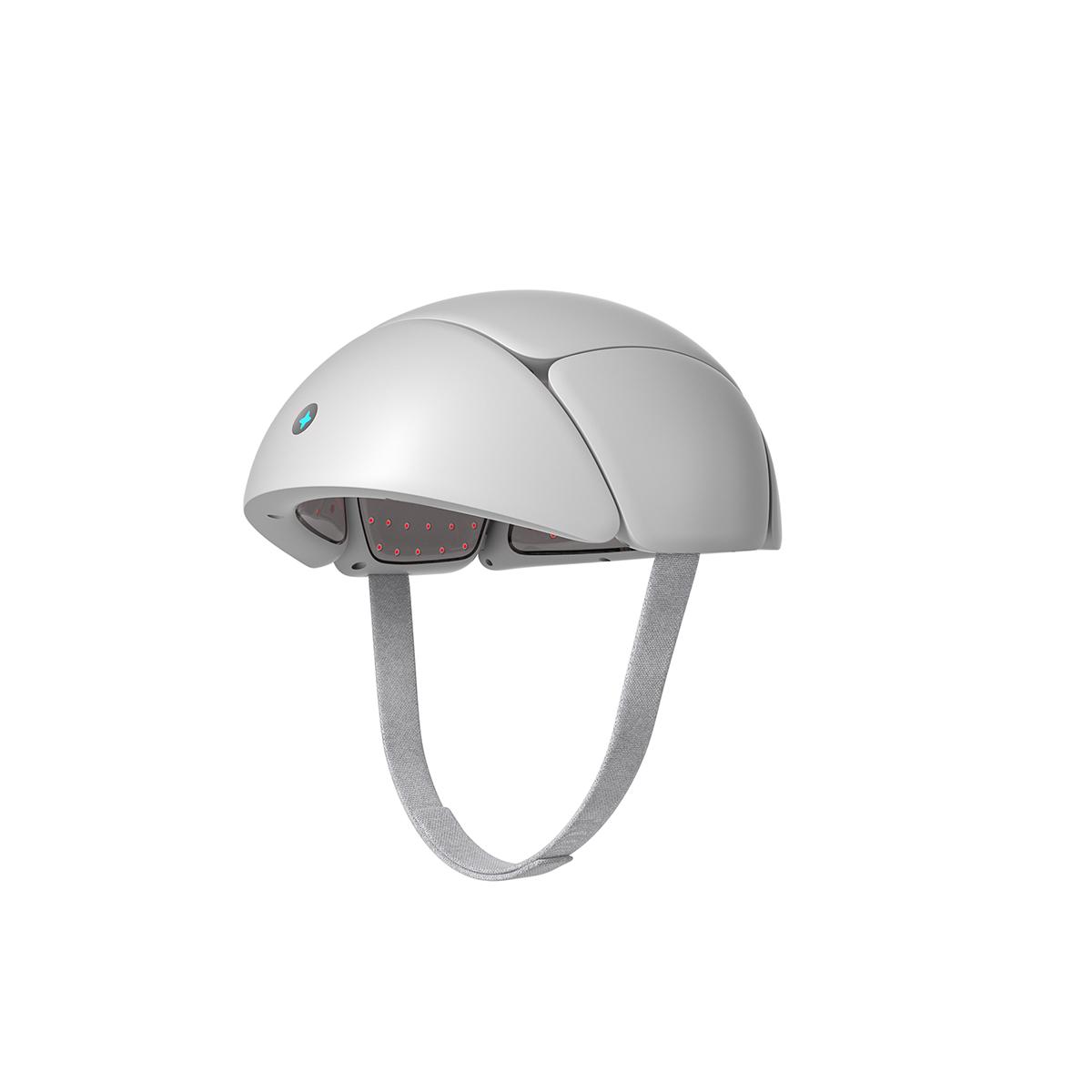
The best helmet is the one you don’t mind putting on every single time. If it’s too heavy, clunky, or makes your head sweat after ten minutes, you’ll start leaving it behind—and that defeats the whole purpose. Look for lightweight designs that you barely notice after a few rides. Ventilation is a game-changer too; multiple well-placed vents keep airflow moving so you arrive cool instead of drenched. A helmet that feels like a natural extension of your gear, not a burden, is what you’re really after.
Fit isn’t just about safety—it’s about whether you’ll actually reach for the helmet on a short trip to the store. Adjustable retention systems, like a dial at the back, let you fine-tune the fit in seconds, so there’s no pinching or wobbling. Padding matters more than you’d think; soft, moisture-wicking liners that don’t turn into a soggy mess change how you feel about wearing it. And don’t ignore the straps—they should sit flat and feel secure without digging in. When a helmet disappears from your awareness after you buckle it, you’ve found the right one.
Style plays a bigger role in wearability than many admit. A helmet that looks like a mushroom or clashes with your favorite jacket stays on the shelf. Sleek, low-profile shapes and colors you actually like make it easier to grab it without second thoughts. Some even come with removable visors or the option to mount lights, blending practical details with a look you’re happy to be seen in. Ultimately, a helmet you’ll use is one that fits your life, your habits, and your sense of self—because safety shouldn’t feel like a compromise.
Safety First: What Certifications to Look For
When you're buying electronics or appliances, the first thing to check is whether the product has been tested by an independent laboratory. Look for marks like UL, ETL, or CSA. These aren't just stickers; they indicate that the item meets rigorous safety standards, from overcurrent protection to fire resistance. Without them, you might be plugging a fire hazard straight into your wall.
It's also worth paying attention to region-specific certifications. In Europe, the CE mark is mandatory, but it's often self-declared, so you should verify if a product also comes with GS or TÜV testing for extra peace of mind. For anything that comes into contact with food or skin, like kitchen gadgets or wearables, a RoHS compliance label ensures it's free from harmful heavy metals.
Lastly, don't confuse a long list of certifications with genuine safety. Some manufacturers slap on meaningless symbols to look legitimate. Stick to recognized names and double-check the certification database online if something feels off. A few extra seconds of research can save you from a world of trouble down the line.
Time Commitment: How Often Do You Really Need to Use It?
Most people assume you need to commit to a rigid daily practice to see any real benefit, but that mindset often sets you up for burnout. The truth is far more forgiving—your natural usage rhythm might look like three focused sessions per week, or even a burst of intense use every couple of weeks before a challenge. Pay attention to when you actually feel energized rather than obligated, and you’ll often get better results than forcing a schedule that doesn’t fit your life.
The “right” cadence shifts depending on what you’re trying to accomplish. If you’re just maintaining a baseline, a few check-ins per month can keep things humming; but when you’re actively learning or pushing through a plateau, shorter, more frequent dives tend to pay off. It’s less about the stopwatch and more about the quality of attention you bring each time. Some of my best breakthroughs happened during a lazy Sunday exploration, not a rushed morning session I’d resent.
Instead of counting minutes, measure momentum. Using a tool sporadically but mindfully can deepen your intuition faster than grinding through daily drills you don’t need. The key is to respect your own ebbs and flows—let the tool fit into the cracks of your curiosity, not the other way around. That’s when it stops feeling like a chore and starts becoming a natural extension of how you think and work.
Clinical Proof: Separating Hype from Reality
It’s tempting to get swept up in headlines promising miracle cures, but real clinical proof rarely arrives in a flashy package. Legitimate research builds slowly, often starting with small, carefully controlled studies that ask modest questions. The difference between a passing trend and a meaningful advance lies in the willingness to follow the data wherever it leads, not just where it makes the best story.
One of the most reliable indicators that a claim is worth taking seriously is replication across independent labs and diverse patient populations. When results from a single, underpowered trial circulate in media before peer review, red flags should go up. True evidence demands transparency—raw data, preregistered protocols, and honest discussions of limitations. Without these, even impressive-sounding statistics are little more than anecdotes with a veneer of science.
Ultimately, separating hype from reality requires that we embrace uncertainty rather than pretend it doesn’t exist. A therapy backed by robust evidence is rarely a silver bullet; it comes with caveats, side effects, and a nuanced place in a broader treatment landscape. By looking past the headlines and digging into the actual trial designs, sample sizes, and conflict-of-interest disclosures, we can move from wishful thinking to a clearer picture of what truly works.
Cost vs. Results: Is the Investment Worth It?
When considering a new purchase – whether it’s software, a service, or a marketing push – the tug-of-war between price and potential payoff is real. It’s tempting to fixate on the numbers, but true value rarely sits on a price tag. Many teams get burned chasing the cheapest option only to find it can’t deliver the results they need, while others overpay for features that never get used.
Take something like a sales automation tool, for instance. A bare-bones plan might save you a few hundred dollars a month but could cost you hours in manual workarounds and missed opportunities. On the flip side, shelling out for a top-tier platform with every bell and whistle doesn’t automatically mean your revenue will skyrocket. What matters is whether the tool aligns with how your team actually works and the outcomes you’re aiming for – not just its feature list or the logo on the box.
So, how do you make the call? Start by defining exactly what a “good result” looks like in concrete terms – leads generated, time saved, deals closed. Then, map that against the total cost, including the hidden toll of training, integration, and the occasional headache. Sometimes a mid-range option that fits like a glove will outperform a premium one that fights your workflow at every turn. The investment is only worth it when the gap between cost and result narrows in a way that makes sense for your specific situation.
FAQ
More isn’t always better. Look for a density that covers your entire scalp without overlapping too much—somewhere around 80 to 120 diodes usually does the trick for home devices.
Absolutely. A rigid dome shape that sits evenly on your head ensures light reaches all areas. Flimsy designs leave weak spots where hair might miss exposure.
Ignoring treatment time. Models that require 30-minute sessions are harder to stick with. Aim for 15–20 minutes per session so you actually use it consistently.
Stick with 650nm diodes, the sweet spot for follicle stimulation. Some helmets add 670nm, but 650nm alone has the most evidence behind it.
You wear it over your hair, but the best ones part strands with silicone tips so light passes through. If your hair is thick, pick a model with adjustable posts.
Check for FDA clearance or medical-grade certifications. If the brand talks more about flashy design than clinical data, it’s probably not worth your money.
Conclusion
When investing in a hair growth helmet, it’s easy to get lost in flashy promises, but the key to faster results lies in the details. Start with the light source itself: not all lasers are created equal. The wavelength matters profoundly—look for devices using clinically proven red or near-infrared light, typically in the 650–850 nm range, which can reach the follicle without damaging skin. Equally important is wearability; a helmet that’s uncomfortable or awkward will gather dust. Choose a lightweight, cordless design that fits your daily routine, whether you’re reading or working, so consistency becomes effortless. And never overlook safety certifications—genuine FDA clearance or CE marking ensures the device has passed rigorous testing for eye and skin protection, separating trustworthy tools from risky gimmicks.
Realistic expectations hinge on clinical evidence and personal discipline. Peer-reviewed studies, not just celebrity endorsements, should back the device’s claims—look for published trials showing measurable hair density improvements. Time commitment is another practical filter: most effective helmets require only 10–30 minutes of use several times a week, but skipping sessions will delay outcomes. Weigh cost against these factors; a higher price tag often reflects better optics, longer battery life, and durable build, but it’s worth comparing long-term value rather than upfront expense. Ultimately, an ideal helmet balances proven wavelengths, comfort, safety, and a schedule you can maintain. By focusing on these pillars, you sidestep hype and land a device that actually delivers faster, healthier regrowth.
Contact Us
Contact Person: Leon Yi
Email: [email protected]
Tel/WhatsApp: +86 17363316873
Website: https://zzgt.en.alibaba.com/