
High Quality 5-Panel Baseball Caps for Everyday Wear and Timeless Style
2026-09-17
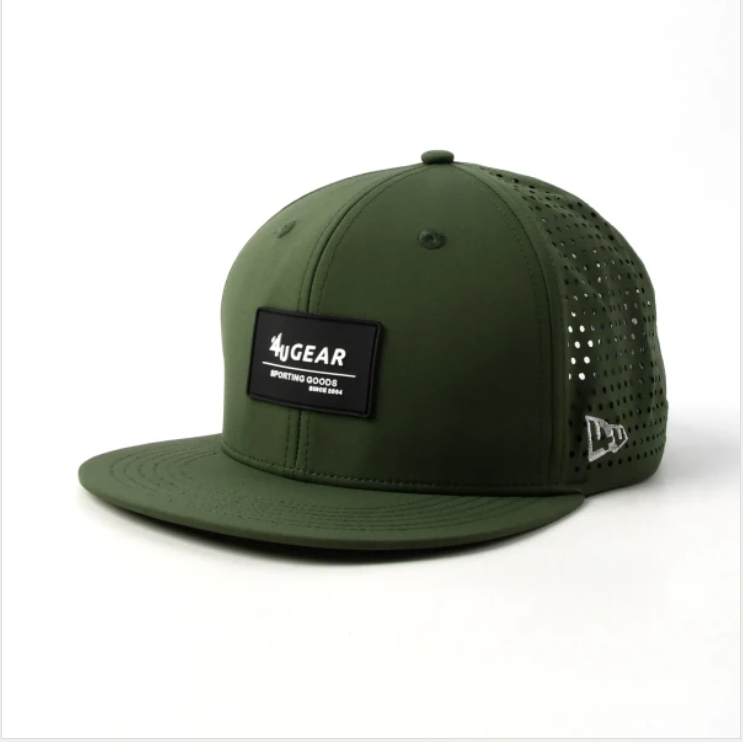
Five-panel caps have a way of sticking around—not because they chase trends, but because they quietly fit into everyday life without shouting for attention. That's the standard we hold to at 4ugear: high-quality materials, a shape that holds up, and a timeless look that doesn't try too hard. If you're tired of caps that lose their shape after one summer, here's what actually makes ours different.
A Fit That Works With Your Head, Not Against It
Most headwear fights you at some point. It squeezes your temples, slips over your eyes, or leaves a deep red line across your forehead after twenty minutes. This one takes a different route. The band is cut with a subtle taper that follows the curve of your skull instead of compressing it, and the seam placement sits just above the ears so nothing digs in. You notice the fit only because the usual discomfort is missing.
The material does its share of the work. A brushed inner layer wicks sweat away while staying soft against the skin, so you don't get that damp, itchy build-up around your hairline. The outer shell has enough give to move with your head when you turn quickly, but not so much that the shape loses its line. Wear it for a long commute, a weekend errand run, or six hours of travel, and you'll forget you have it on—until someone asks where you got it.
What really sets it apart is the adjustable back closure. Instead of a plastic snap that breaks or a velcro strip that frays, it uses a slim metal slide you can set once and leave. No readjusting after lunch, no yanking it down every time you stand up. The fit stays where you put it, hour after hour, without reminding you it's there.
Materials That Feel Broken-In From Day One
Some materials skip the awkward phase entirely. Brushed cotton, garment-washed linen, and tumbled leather have already been stressed, softened, and relaxed before they reach you. Instead of waiting weeks for fabric to loosen up, you get that easy, familiar drape from the first wear.
The trick lies in the finishing. Enzyme washes break down stiff fibers, while stone tumbling knocks down sharp edges and creates subtle micro-fades. Even the seams are often flat-locked or taped so nothing digs in. What remains is a piece that moves with your body rather than against it.
Look for terms like 'pre-washed,' 'vintage finish,' or 'peached' if you want that broken-in feel without the break-in period. These aren't just buzzwords—they signal a material that's already done the hard work of becoming comfortable.
The Details You Only Notice When They're Done Right
There's a particular pleasure in a door that closes with a solid, muted thump instead of a hollow rattle. You probably couldn't describe the hinge geometry or the density of the wood, but your hand remembers the weight, and your ear knows the difference. When someone pays attention to that small collision of metal and frame, the act of walking through a room changes from routine to quietly satisfying. You don't think about it every time, but when a door feels wrong—loose, sticky, too light—you suddenly notice how often you open and close one.
The same principle shows up in less physical places. A sentence with an extra clause that doesn't need to be there? You feel the drag before you can name it. A form that asks for your email twice, or a button labeled in a way that makes you pause? That hesitation is the opposite of the door's thump. These details aren't decoration; they're load-bearing. When they're done badly, they become the experience. When they're done right, they disappear into the background and let you focus on what you actually wanted to do.
What makes these details so easy to miss is that their success is measured in absence. Nobody compliments a website for not making them think about the navigation. Nobody leaves a review praising a chair for not wobbling. But that quiet absence is exactly the point. The best craft lives in the gap between what you expected to feel and what actually happened—and most of the time, that gap is so small you only notice it when it's not there.
Styling It Beyond the Ballpark
A baseball cap only leaves the bleachers behind when the fabric and fit do the heavy lifting. Trade stiff performance mesh for washed cotton, faded wool, or even a narrow-wale corduroy—the texture alone signals you didn't grab it at the gate. Keep the brim curved but not race-car tight, and let the crown sit a finger's width above your ears rather than clamped to your skull. That sliver of air rewrites the whole silhouette.
What you pair it with matters more than any logo on the front. A clean, monochrome or minimally marked cap slides easily over relaxed tailoring: a slouchy blazer, heavyweight tee, and straight-leg jeans all hold their own. For a sharper line, choose a cap one shade off from your outer layer—navy with a black overshirt, olive with khaki. Steer clear of head-to-toe team colors; the cap should whisper, not cheer.
The last step is letting it sit naturally. Roll your sleeves once, skip matching your cap to your sneakers, and let your hair fall against the back strap. A ball cap only reads as intentional when nothing else is asking for attention. Once it becomes part of your regular rotation, it stops being a game-day leftover and starts being a choice.
All-Day Comfort Without the Pressure Points
Long sits usually fail in the same few places: under the thighs, behind the knees, and right below the tailbone. This design spreads that load across a broader area using a layout of support zones rather than one continuous density. The result is less of that creeping numbness that forces you to shift every few minutes.
The cushioning stays resilient instead of softening into a memory-foam crater by midday. It gives under the hip points but pushes back where the lower spine needs it. That means you're not sinking out of alignment or feeling the chair frame through the pad.
Even the edge profile was reworked so it doesn't bite into the hamstrings. With the pressure spread out and the surface staying cool, the last hour of the day feels closer to the first.
A Look That Stays Current Year After Year
Some designs chase the moment, but the most enduring ones quietly borrow from every era without belonging to any. The trick lies in balance: a clean line here, a subtle texture there, and nothing that screams for attention. When a look can sit comfortably in a room from a decade ago or a space still being planned, it has already done something rare.
It begins with familiar shapes and materials that never really left. Think of natural wood, brushed metal, or a simple woven fabric. These aren't trends; they're constants. The charm comes from how they're arranged—maybe an unexpected proportion or a muted color pairing that feels fresh without trying too hard. Over time, that kind of restraint becomes the style itself.
Updating such a look is more about small shifts than big overhauls. Swap one accent, introduce a new plant, or let the light change the room's mood. Because the foundation was never tied to a season, each adjustment feels like a natural evolution. That's the real test of staying current: not chasing what's next, but making what you have feel right for now.
FAQ
It sits a bit lower and closer to the head, so there's less excess fabric bunching up. That makes it easier to wear with hoodies or jackets without looking bulky.
The front panels are reinforced with a lightweight interfacing, so the crown won't collapse when you toss it in a bag. We've tested it through dozens of wears and it still keeps that clean profile.
Yes, the back strap uses a metal buckle with a tuck-in keeper, so you can get a snug but comfortable fit from about 55 cm to 61 cm without any dangling straps.
No, the fabric is a breathable cotton twill with an inner sweatband that wicks moisture. It's not insulated, so airflow through the eyelets keeps your head cooler than you'd expect on sunny days.
Spot clean with a damp cloth and mild soap for most stains. If it needs a deeper wash, hand wash in cold water and reshape the brim while it's damp, then air dry away from direct heat.
The silhouette skips loud logos and trend-heavy details, so it pairs with everything from a casual tee to a linen shirt. You won't feel the need to replace it next year.
Absolutely, the proportions are balanced and the adjustable closure means it fits most adults. It's designed to look good on different face shapes without skewing masculine or feminine.
We focused on versatile tones like washed navy, olive, and oatmeal, all chosen to work with existing wardrobe basics.
Conclusion
A well-made five-panel baseball cap earns its place in your daily rotation by getting the basics right. The crown is cut to sit naturally against the shape of your head, so there's no awkward gap above the ears or tight band digging in after an hour. The fabric feels like something you've owned for years from the first wear—soft, breathable, and structured enough to hold its silhouette without being stiff. Small touches matter here: a brim that keeps its curve, seams that lie flat against the forehead, and an adjustable closure that doesn't slip or scratch. All of this adds up to a cap you forget you're wearing, which is exactly the point. It doesn't create pressure points behind the temples or leave red marks after a long day, making it a genuine option for everything from morning errands to evening walks.
Beyond comfort, the five-panel shape has a quiet versatility that keeps it relevant. It works just as easily with a plain tee and jeans as it does with a casual blazer or work jacket, pulling an outfit together without shouting for attention. Because the design avoids flashy logos or exaggerated proportions, it doesn't feel tied to a single trend cycle. Year after year, the same cap looks right at home, whether you're grabbing coffee, heading to a weekend market, or just trying to keep the sun out of your eyes. That kind of staying power comes from restraint—clean lines, honest materials, and a fit that respects the wearer. It's less about making a statement and more about being the one accessory you reach for without thinking, season after season.
Contact Us
Contact Person: Tommy
Email: [email protected]
Tel/WhatsApp: 8613546956008
Website: https://www.4ugearsupply.com/