Laser Cutting Machine Manufacturer in China: A Guide for Businesses
2026-01-06
Navigating the world of laser cutting machine manufacturing in China can be a complex journey for businesses. With numerous options available, how do you ensure you're choosing the right partner to enhance your production efficiency and precision? In this comprehensive guide, we'll explore key factors, market trends, and insider tips to help you make informed decisions. Discover how leading manufacturers like JIAN MENG are revolutionizing the industry with innovative solutions tailored to diverse business needs. Dive in to uncover the secrets behind successful partnerships and unlock new opportunities for growth in your operations.
Key Factors for Choosing a Chinese Laser Cutter Supplier
When selecting a Chinese laser cutter supplier, experience plays a pivotal role. Look for manufacturers with a solid track record in producing machines for your specific industry, whether it's metal fabrication, woodworking, or signage. Suppliers who have been in the business for years often offer better quality control, more reliable technical support, and a deeper understanding of customer needs. For example, a company that has consistently supplied robust laser cutters to automotive workshops can likely anticipate the durability requirements and precision demands of similar applications.
Beyond machinery specs, the quality of support and after-sales service is crucial. Evaluate how responsive the supplier is to inquiries, whether they provide comprehensive training, and if they have readily available spare parts. A good supplier will not just sell you a machine but also ensure it runs smoothly with minimal downtime. Consider asking about their maintenance plans and read reviews from other international buyers to gauge their commitment to customer satisfaction post-purchase.
Customization capabilities can set a supplier apart in a crowded market. Many Chinese suppliers offer standard models, but those who can tailor machines to your exact requirements—such as adjusting bed sizes or integrating specific software—add significant value. This flexibility might involve working closely with their engineering team to modify components or develop bespoke solutions, helping you optimize production efficiency and meet unique project demands without compromising on quality.
Top Regions in China for Laser Machine Production
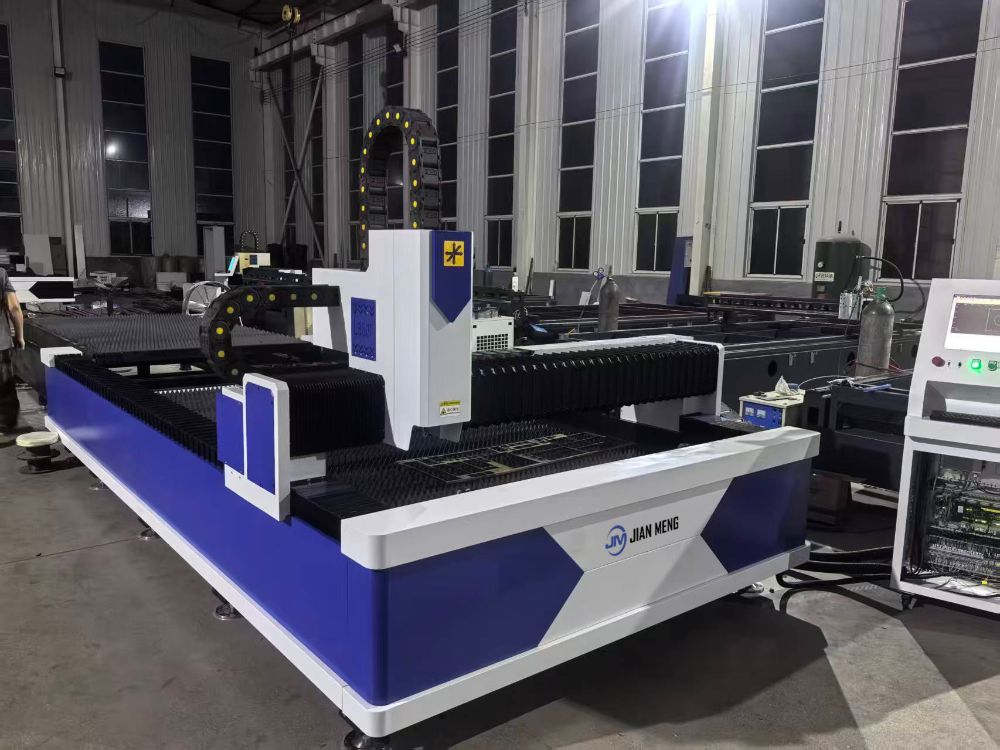
China's laser machine industry thrives in specific regions, with Guangdong Province standing out as a powerhouse, driven by its dense manufacturing clusters and technological hubs in cities like Shenzhen and Dongguan. This area is renowned for producing a wide range of equipment, from fiber lasers for cutting to CO2 lasers for engraving, thanks to robust supply chains and innovation-driven companies that tailor solutions for global markets. The proximity to electronics and automotive sectors further fuels demand, making it a top destination for businesses seeking high-quality, cost-effective laser systems.
Beyond Guangdong, Jiangsu Province is another key player, particularly around Suzhou and Nanjing, where precision engineering and advanced manufacturing converge. This region excels in producing specialized laser machines for medical, aerospace, and microelectronics applications, supported by strong R&D institutions and skilled labor forces. Its focus on automation and smart factory integration sets it apart, attracting investments from both domestic and international firms looking for cutting-edge laser technology.
Shandong Province also emerges as a significant contributor, especially in cities like Qingdao and Jinan, known for their heavy industry and machinery production bases. Here, the emphasis is on high-power laser machines for welding and surface treatment in sectors such as shipbuilding and construction, leveraging local resources and logistical advantages. This diversity in regional strengths ensures that China's laser machine production remains dynamic and adaptable to evolving industrial needs across the globe.
Customization Options and Lead Times from Manufacturers
Manufacturers today are stepping up their game by offering a wide array of customization options that let you tailor products to your exact needs. Whether it's tweaking colors, materials, or adding personalized logos, the possibilities are vast. These flexible solutions help businesses stand out in crowded markets, ensuring that every item reflects your specific vision and brand identity without sticking to rigid, off-the-shelf choices.
When it comes to lead times, it's more than just a waiting period—it's a key part of your planning strategy. Most manufacturers work hard to balance customization with efficiency, providing realistic estimates that factor in design changes, material sourcing, and production steps. By keeping communication open and setting clear timelines upfront, you can avoid surprises and align your projects smoothly with your operational schedule.
In practice, combining customization with reliable lead times enhances the overall value. Manufacturers who excel in this area often build stronger relationships with clients by being transparent and adaptable, turning what might seem like delays into opportunities for fine-tuning and innovation. This approach not only meets demands but often exceeds expectations, making it a smart choice for forward-thinking businesses.
Quality Control Standards in China's Laser Industry
As China's laser industry expands globally, its quality control standards have evolved to meet rigorous demands, focusing on precision and reliability in manufacturing processes. Key initiatives include standardized testing for laser power stability and beam quality, with stringent certifications like the China Compulsory Certification (CCC) ensuring products adhere to national safety and performance benchmarks. Industry leaders are increasingly adopting advanced monitoring systems, such as real-time data analytics and automated inspection, to minimize defects and enhance consistency in high-tech applications like medical devices and semiconductor production.
Driven by innovation, the sector emphasizes quality through collaborative efforts between government bodies and private enterprises, leading to tailored protocols for emerging laser technologies. For instance, new guidelines address specific challenges in ultrafast lasers and fiber laser systems, incorporating feedback from international markets to refine standards. This proactive approach not only boosts product competitiveness but also fosters trust among global partners, positioning Chinese manufacturers at the forefront of quality assurance in the laser field.
Looking ahead, ongoing updates to quality control frameworks aim to integrate sustainability and digital transformation, with a push towards eco-friendly manufacturing and smart factory solutions. By aligning with global best practices while leveraging domestic expertise, China's laser industry continues to set high benchmarks, ensuring that its products deliver exceptional performance and durability across diverse sectors.
Cost-Benefit Analysis of Sourcing from Chinese Makers
When companies consider sourcing from Chinese makers, they often dive straight into the numbers, but the real benefit lies in understanding the nuanced ecosystem. Beyond the obvious cost savings from lower labor and material expenses, Chinese manufacturers bring unparalleled scale and supply chain depth. Many firms find that access to specialized clusters—like electronics in Shenzhen or textiles in Zhejiang—not only cuts costs but accelerates innovation cycles, as local expertise and infrastructure seamlessly integrate. This dynamic environment can yield unexpected advantages, such as quicker prototyping and adaptation to market shifts, making the initial cost calculations just the tip of the iceberg.
On the flip side, a thorough analysis must weigh these benefits against potential pitfalls that aren't always apparent in spreadsheets. Issues like intellectual property protection, quality control variances, and longer lead times due to logistics can erode savings if not managed proactively. For instance, while upfront prices might be lower, hidden costs from compliance with international standards or the need for frequent on-site inspections can add up. Savvy businesses often balance this by building strong, long-term partnerships with key suppliers, leveraging local agents, and investing in transparency tools to mitigate risks, ensuring the cost-benefit equation stays favorable over time.
Ultimately, sourcing from Chinese makers isn't just a procurement decision; it's a strategic move that shapes a company's agility and market positioning. By conducting a robust cost-benefit analysis, organizations can uncover opportunities for co-development and market expansion that go beyond mere cost-cutting. For example, collaborating with Chinese innovators can lead to exclusive product features or faster entry into Asian markets, transforming what seems like a simple sourcing choice into a competitive edge. This holistic view helps firms navigate the complexities and capitalize on the full spectrum of benefits, making it a vital step for global business strategies.
Navigating Logistics and After-Sales Support
When it comes to managing your purchases, understanding logistics and after-sales support is key to a smooth experience. Our logistics system is designed to be transparent and efficient, providing real-time tracking so you always know where your order stands. From the moment you place an order, you can follow its journey—from warehouse to doorstep—with updates that keep you informed every step of the way.
After-sales support doesn't just start once your package arrives; it's an integral part of our service that begins the moment you consider a purchase. If you encounter any issues with your items, our dedicated support team is ready to assist. We offer comprehensive return and exchange policies, ensuring that any concerns are addressed promptly and to your satisfaction, turning potential headaches into seamless resolutions.
To make the process even more user-friendly, we've integrated personalized support channels such as live chat and email, tailored to your specific needs. Whether it's a question about shipping times or a request for product assistance, we believe in building lasting relationships through reliable and responsive aftercare that goes beyond the sale.
FAQ
Chinese manufacturers typically offer significant cost advantages over Western counterparts, often at 30-50% lower price points for comparable machinery. Beyond pricing, many have developed specialized expertise in high-power fiber laser systems and have streamlined supply chains that enable faster customization—some can deliver tailored machines within 8-10 weeks. Companies like Bystronic and Han's Laser have even pioneered integrated automation solutions that are gaining traction globally.
Start by requesting detailed test reports from their quality control labs—reputable manufacturers should provide cutting samples with tolerance measurements. Check for international certifications beyond CE, such as ISO 9001:2015 for manufacturing processes. Visiting production facilities virtually via live video tours has become common; ask to see their assembly lines and testing bays. Also, request contact information for 2-3 overseas clients in similar industries for reference checks.
Most manufacturers offer modular designs allowing adjustments in laser power (from 500W to 30kW), bed size customization up to 6x3 meters, and choice between fiber, CO2, or hybrid laser sources. Advanced options include integrated AI-based predictive maintenance systems, automated material handling arms, and proprietary software interfaces that can sync with your existing ERP systems. Some even provide branding services—applying your company's logo and color scheme to control panels.
While the base price is often competitive, businesses should budget for: ocean freight insurance (1.5-3% of machine value), potential customs duties varying by country (e.g., 2.7% for USA, 0-5.2% for EU), and mandatory modifications like voltage transformers or local safety certifications. Some manufacturers charge extra for comprehensive English operation manuals or on-site commissioning services. Always request a detailed 'landed cost' breakdown before finalizing orders.
Leading Chinese suppliers now offer 24/7 multilingual remote support via augmented reality tools—technicians can guide repairs through smart glasses. Many provide regional service hubs in key markets like Germany or Texas for quicker response times. Standard packages include 2 years of warranty with optional extended coverage up to 5 years. Some innovative manufacturers even embed IoT sensors that automatically dispatch replacement parts before failures occur.
Beyond traditional cutting applications, many are pioneering ultra-fast picosecond lasers for micro-machining medical devices, and hybrid machines combining additive manufacturing capabilities. Environmental innovations include closed-loop cooling systems reducing water usage by 70%, and AI-powered energy optimization cutting power consumption by 15-20%. Several manufacturers are also developing blockchain-based digital twins for full production lifecycle tracking.
Standard machines typically ship within 4-6 weeks compared to 10-14 weeks for European manufacturers, though COVID-era delays taught many Chinese factories to maintain larger component inventories. For urgent projects, some offer 'express production' slots at 15-20% premium, delivering in 2-3 weeks. Sea freight adds 30-45 days transit time to most Western markets, so air freight (3-5 days) can be worth considering for time-sensitive installations despite higher costs.
Conclusion
When navigating the landscape of Chinese laser cutting machine manufacturers, businesses should prioritize key factors such as supplier reliability, technical expertise, and adherence to quality control standards. China's top regions for laser machine production, including Guangdong and Jiangsu, offer concentrated industrial hubs with advanced manufacturing capabilities. Customization options are widely available, allowing for tailored solutions, though lead times may vary based on complexity and production schedules. By conducting a thorough cost-benefit analysis, companies can assess trade-offs between lower initial costs and long-term value, ensuring that sourcing from Chinese makers aligns with their operational and financial goals.
Effective logistics planning is crucial for smooth supply chain management, including shipping, customs clearance, and timely delivery. After-sales support, encompassing warranty services, technical assistance, and spare parts availability, plays a vital role in maintaining machine performance and minimizing downtime. Integrating these aspects—from quality assurance to post-purchase support—helps businesses mitigate risks and optimize their investment. This holistic approach enables informed decision-making, fostering successful partnerships with Chinese manufacturers while maximizing efficiency and competitiveness in the global market.
Contact Us
Contact Person: Jeanie
Email: [email protected]
Tel/WhatsApp: +86 19805122954
Website: https://www.jianmeng.com