ODM Dry Shampoo Spray Supplier: The Secret to Launching Your Brand Fast
2026-07-17
Launching a hair care brand fast isn’t just a dream—with the right ODM partner, it’s your next move. Wilson turns dry shampoo spray concepts into shelf-ready products without the typical delays. Curious how you can skip the long R&D grind and still stand out? Keep reading.
Skip the Formulation Headaches with a Proven Partner
Developing a new product shouldn’t feel like solving a puzzle with missing pieces. When you’re wrestling with ingredient interactions, stability challenges, or tight timelines, it’s easy to lose sight of the finish line. An experienced partner cuts through that noise—someone who’s already navigated the rocky terrain of formulation and can steer you past common pitfalls without wasting months on trial and error.
The real value comes from tapping into hard-won expertise that goes beyond textbooks. A partner with a deep bench of chemists and a track record of commercial success knows which emulsifiers actually hold under heat stress, how to tweak pH without destabilizing actives, and where to source specialty ingredients that won’t delay your launch. They don’t just follow a checklist; they bring instincts sharpened by years of hands-on problem-solving, catching issues before they ever reach your in-box.
Ultimately, leaning on a proven partner means you can focus on the big picture instead of obsessing over percent loads and rheology modifiers. Your concepts move faster from bench to bottle, with fewer reformulation rounds and a smoother transition into scale-up. That’s not just a time-saver—it’s the kind of practical confidence that turns a decent idea into a product that thrives on the shelf.
How Private Label Accelerates Your Time to Market
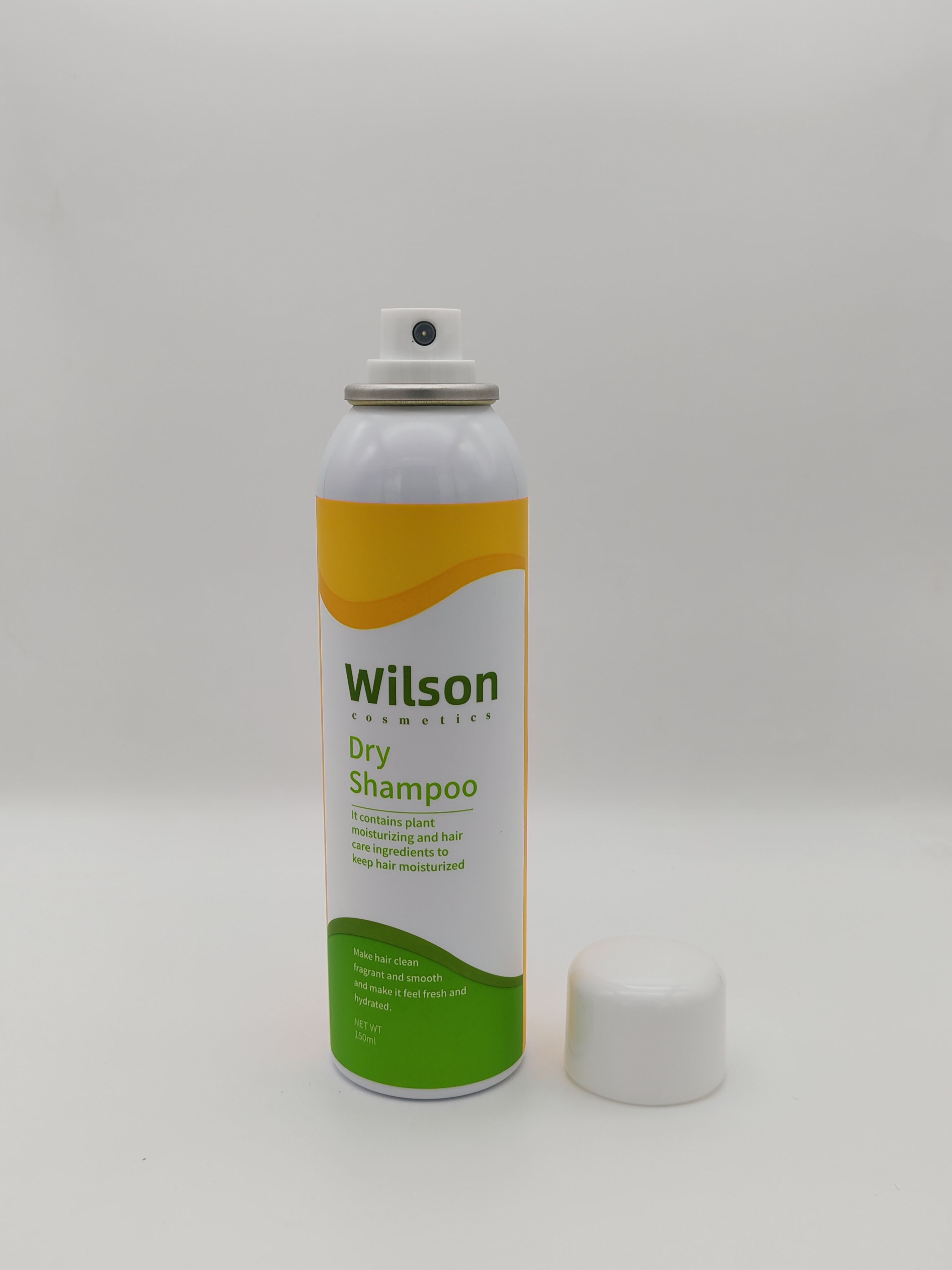
Private label manufacturing dramatically compresses timelines because you’re not starting from scratch. Instead of spending months inventing a formula, designing packaging from a blank canvas, or vetting unfamiliar raw material suppliers, you partner with a manufacturer who already has proven, ready-to-go formulas and supply chains. The baseline product already exists—your job is to customize it. That tweak might be a signature scent, a unique blend of active ingredients, or even just packaging that speaks your brand’s visual language. Because the heavy lifting of R&D, stability testing, and regulatory compliance is already done behind the scenes, you can move from concept to finished product in weeks rather than the typical six to eighteen months.
Speed doesn’t mean cutting corners. When you align with a manufacturer that specializes in private label, you’re tapping into facilities that operate at scale with everything already in place: pre-validated production lines, experienced quality-control teams, and packaging solutions that have been battle-tested. You’re not waiting for lab trials to confirm stability because the base formula has already withstood the test of time. You simply drop your branding onto a product that’s been refined through countless iterations across multiple clients. That shared infrastructure is what turns a traditional production marathon into a sprint, giving you the agility to pivot when a competitor makes a move or a seasonal opportunity pops up.
There’s also a quiet advantage: your learning curve flattens. Launching a new product from zero often means making expensive mistakes—ingredients that don’t mix well, labeling errors, packaging that fails in transit. A private label partner has already made those mistakes on someone else’s dime and built guardrails. They’ll hand you a playbook rather than lessons learned the hard way. This means you can focus on what you actually need to get right—messaging, distribution, and connecting with your audience—while the technical side of getting a physical product into customers’ hands happens in the background, almost effortlessly.
Custom Scents and Packaging That Feel Entirely Yours
It starts with a feeling—a memory you want to bottle, a note you’ve been chasing, or simply the craving for something nobody else has. Our custom scent process is built around you, not trends. You’re not just picking from a menu; you’re starting conversations with our perfumers about what moves you, whether it’s the sharp zest of a bergamot orchard at dawn or the quiet warmth of old book pages. Every drop is blended to mirror the narrative you want your brand or personal space to tell.
Packaging is the accomplice, not an afterthought. Ditch the generic gloss—here, you choose textures that surprise fingertips, from raw linen wraps to smoked-glass bottles that catch light like a secret. Your name, your mark, etched or embossed with typography that feels like handwriting rather than a factory stamp. We’ve even co-created with ceramicists for limited runs, turning each vessel into a keepsake that outlasts the last spritz. It’s a deliberate rebellion against the disposable, a gift to yourself or your customers that whispers “this is mine” long before anyone opens it.
The result isn’t just a product; it’s a presence. When someone encounters your scent, they’re meeting a piece of your identity, and the packaging becomes the threshold—tactile, visual, unmistakably you. No two orders ever feel the same because no two people do. We document your custom formula so you can reorder, tweak, or evolve it over time, but that first unboxing is where it all becomes real: a moment of recognition that this was made for you, not for anyone else.
The Ingredient Transparency Modern Buyers Demand
Modern buyers are no longer satisfied with vague terms like "fragrance" or "proprietary blend"—they want to know exactly what’s in the products they use daily, down to the sourcing and processing methods. This demand for granularity forces brands to rethink their labeling, not just as a compliance task but as a trust-building dialogue. When a skincare serum lists cold-pressed marula oil from a specific region and explains why it’s chosen over synthetic alternatives, it transforms a simple ingredient into a story of quality and care.
Behind this push is a broader cultural shift toward valuing authenticity over marketing gloss. Consumers are scanning barcodes, joining communities that crowdsource ingredient research, and calling out discrepancies between packaging claims and actual contents. For a brand, hiding behind complexity or legal loopholes isn't just risky—it’s a fast track to public skepticism. Conversely, brands that proactively publish full ingredient lists with plain-language explanations see higher engagement and lower return rates, because transparency acts as a proxy for reliability in a crowded market.
This transparency expectation also reshapes R&D and supply chains. Companies are now selecting ingredients not only for efficacy but for traceability and ethical impact, knowing that a single controversial component can unravel years of brand goodwill. The result is a cleaner, more accountable relationship where the buyer feels respected as a partner—not just a consumer. Ingredient transparency has grown from a nice-to-have into a baseline requirement, and the brands that treat it as a chance to educate and connect are the ones earning lasting loyalty.
Scaling Without Sacrificing Quality or Consistency
Growth often invites complexity, but it doesn't have to erode what makes your product valuable. The real challenge is embedding quality into every process so that it scales alongside your user base. Instead of treating consistency as a box-ticking exercise, view it as a living layer of your operations—one that evolves through clear standards, thoughtful automation, and a culture that refuses to let “good enough” become the default. When every team member understands not just the “what” but the “why” behind your quality benchmarks, decisions become faster and outcomes more reliable.
Many organizations trip up by trying to replicate a startup feel at enterprise scale. The trick is to preserve clarity, not control. Lightweight frameworks, regular feedback loops, and accessible documentation can replace heavy-handed oversight. When processes are transparent and adaptable, consistency emerges from shared understanding rather than from rigid rules. This leaves room for creative problem-solving while ensuring that your core promise—the one customers trust—never wavers.
Scaling gracefully also means knowing when to say no. Not every feature, market, or customer segment will align with your standards. Choosing focus over fragmentation keeps your team aligned and your output polished. By deliberately designing for quality from the start, you turn growth into a multiplier of trust rather than a dilution of it.
From Sample to Shelf: A Launch Roadmap That Works
Turning a promising sample into a shelf-ready product is where great ideas either take shape or fall apart. It starts with a clear-eyed assessment of what you actually have in hand: Is the prototype replicable at scale? Does it solve a problem people genuinely care about? Too many teams skip this gut check, charging forward on excitement alone. A practical roadmap anchors every decision—from material sourcing to packaging—around hard constraints like cost, time, and manufacturing reliability. Without that grounding, even the most brilliant sample stays just a curiosity.
Next comes the messy middle: iterative testing, packaging trials, and distribution puzzles. This phase isn’t about perfection but about learning fast and adapting. You might discover that the original design can’t survive a drop test, or that suppliers need more lead time than you budgeted. Smart teams build slack into timelines and treat every setback as input, not failure. The goal here is to narrow the gap between the idealized sample and a version that consistently meets quality benchmarks while fitting real-world logistics.
Finally, placement matters as much as production. Getting onto the right shelf—whether physical or digital—requires understanding buyer psychology and retail dynamics. You’re not just launching a product; you’re entering a relationship with retailers and customers. Align your launch strategy with seasonal rhythms, inventory cycles, and merchandising opportunities. When the roadmap accounts for these outside forces, the transition from sample to shelf becomes less of a gamble and more of a calculated, repeatable process.
FAQ
An ODM supplier handles everything from formula development to packaging design and production. You basically give them your brand concept, and they turn it into a shelf-ready product, which saves you from dealing with labs, manufacturers, and designers separately.
Instead of spending months coordinating between different vendors for formulation, filling, and design, an ODM partner compresses that timeline. They already have tested base formulas and packaging options, so you can jump straight into customization and hit the market in weeks, not years.
The no-wash hair movement is huge, and consumers want convenience without sacrificing volume or freshness. Dry shampoo sprays are lighter than powders, easier to apply, and appeal to the growing 'on-the-go' lifestyle crowd who want quick refreshes between washes.
Beyond just slapping your label on a generic bottle, you can often tweak the formula—like adding charcoal for detox, biotin for hair health, or custom scents. Packaging can range from sleek aerosol cans to eco-friendly pump sprays, so you get a product that truly reflects your brand identity.
Many ODM suppliers are flexible and will work with lower MOQs for new brands, especially if you're willing to start with a stock formula and adjust as you grow. It's a way lower barrier to entry than building your own factory, so yes, startups can definitely afford it if they negotiate smart.
Focus on a specific niche—like dry shampoo for curly hair, sensitive scalps, or post-gym refresh. Pair that with unique packaging and a crystal-clear brand story. An ODM supplier with R&D in-house can help you create targeted solutions that big generic brands ignore.
If you go with an existing formula and standard packaging, some suppliers can deliver within 30-45 days after approval. Even with full customization, you're often looking at 60-90 days, which is lightning fast compared to the 6-12 months it takes when you build everything from scratch.
Look for certifications like GMP and ISO, ask for samples of their existing products to test quality, and verify their experience with aerosol or non-aerosol spray technology. Also, check if they can handle compliance for your target market, like EU cosmetic regulations or FDA guidelines, so you're not stuck with a product you can't legally sell.
Conclusion
Partnering with an ODM dry shampoo spray supplier removes the typical roadblocks that slow down new beauty brands. Instead of wrestling with formulation chemistry or waiting months for lab samples, you’re tapping into a ready-made system where proven bases are already stabilized and performance-tested. This means the heavy lifting—sourcing effective powders, balancing absorption without residue, and ensuring a fine, even mist—has already been handled. You bypass the costly trial-and-error phase entirely. From there, the real advantage lies in how quickly things move. A private label framework lets you select an existing high-quality formula, customize it with your choice of scent and packaging, and get to market in a fraction of the standard timeline. The result feels anything but generic: bespoke fragrance blends, canister designs that reflect your aesthetic, and full ingredient transparency that today’s shoppers actively look for. It’s your brand identity layered onto a manufacturer’s technical expertise, without the usual headaches.
As demand grows, that same partnership keeps you steady. A reliable ODM supplier has the production capacity and quality-control protocols to replicate your exact formula batch after batch, whether you’re filling 500 units or 50,000. Consistency is automatic because the manufacturing process is audited and refined long before you place your first order. Scaling doesn’t mean switching suppliers or compromising on the lightweight feel or invisible finish your customers expect. The road from initial sample to stocked shelf becomes straightforward: tweak the optional details, approve production, and follow a logistics flow that accounts for filling, labeling, and shipping. You stay focused on marketing and storytelling while the behind-the-scenes machinery turns your concept into a tangible product. In a crowded haircare market, that blend of speed, personalization, and worry-free expansion is quietly transformative.
Contact Us
Contact Person: Simon
Email: [email protected]
Tel/WhatsApp: +86 13267966849
Website: https://www.wilsoncosmetic.com