
Oil-immersed Transformers in China: A Deep Dive into Efficiency and Applications
2025-12-30
In the vast and ever-evolving landscape of China's energy infrastructure, oil-immersed transformers stand as silent workhorses, powering everything from bustling cities to remote industrial hubs. Yet, beyond their ubiquitous presence lies a world of intricate efficiency metrics and diverse applications that shape modern power distribution. As we delve into the heart of these critical components, it's clear that innovation isn't just about technology—it's about the people and brands driving change. Take Lugao, for instance, a name synonymous with precision engineering and sustainable solutions in the transformer industry. In this deep dive, we'll uncover how these transformers optimize energy flow, adapt to unique environmental demands, and play a pivotal role in China's quest for greener, smarter grids. Ready to explore what makes these devices tick? Let's get started.
An Overview of Oil-immersed Transformers in the Chinese Market
Oil-immersed transformers have long been a cornerstone of China's power infrastructure, with their widespread adoption driven by the nation's rapid industrialization and urbanization. In this market, these transformers are primarily utilized in high-voltage transmission networks, industrial facilities, and rural electrification projects, where their robust design and reliable cooling capabilities make them well-suited to handle the country's diverse climatic conditions and heavy load demands. The Chinese market has seen significant growth in demand over the past few decades, fueled by government initiatives to expand grid coverage and modernize energy systems, particularly in remote and underdeveloped regions where alternative transformer types might be less feasible or cost-effective.
What sets the Chinese market apart is its unique blend of scale and innovation, where domestic manufacturers have not only scaled up production to meet local needs but also invested in research to enhance efficiency and safety standards. For instance, many Chinese companies have developed advanced oil-immersed transformers with improved insulation materials and reduced environmental impact, addressing concerns about oil leakage and fire hazards. This focus on technological advancement has allowed the market to remain competitive globally, with products often exported to other developing countries seeking reliable and affordable power solutions, while also catering to specific regional requirements such as seismic resistance in earthquake-prone areas.
Looking ahead, the landscape is evolving with trends toward sustainability and smart grid integration, prompting a gradual shift toward alternative technologies like dry-type or eco-friendly oil types. However, oil-immersed transformers continue to dominate in applications requiring high power capacity and durability, with ongoing upgrades to extend their lifespan and minimize maintenance costs. In this dynamic environment, understanding the nuances of China's market—from regulatory frameworks to consumer preferences—is key for stakeholders aiming to navigate its complexities and capitalize on opportunities for growth and collaboration.
Key Efficiency Metrics for Oil-cooled Transformers in China
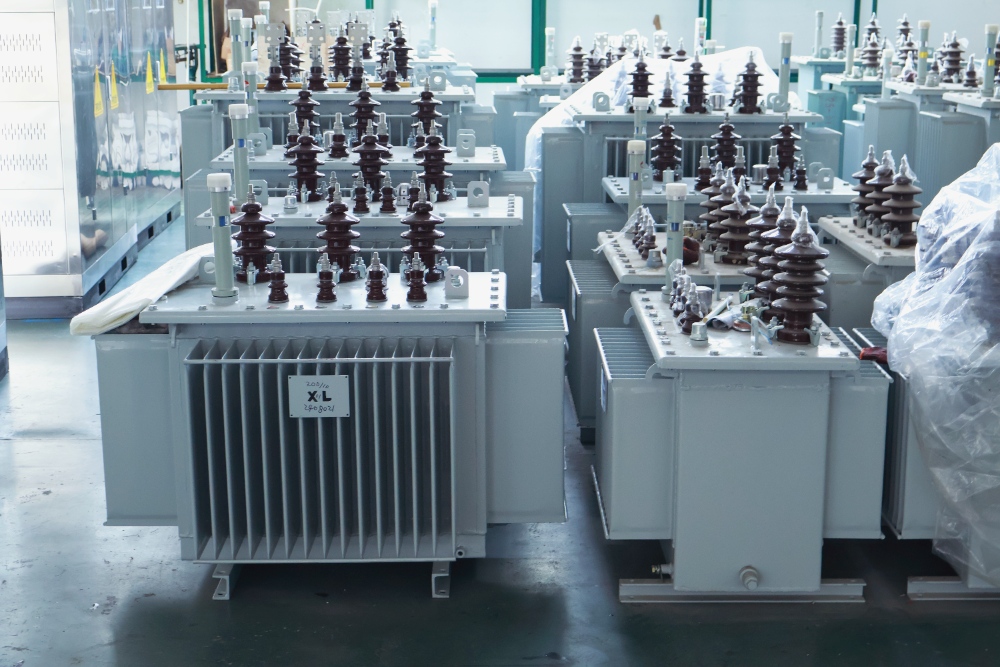
In China's rapidly evolving power grid, the performance of oil-cooled transformers is heavily scrutinized through key efficiency metrics that go beyond basic energy ratings. Load loss and no-load loss measurements, for instance, are tailored to local operational conditions, such as frequent voltage fluctuations in industrial zones, ensuring transformers not only meet international standards but also adapt to regional demands. Additionally, metrics like temperature rise limits and insulation resistance are prioritized to enhance longevity in diverse climates, from the humid coastal areas to the arid northern regions, reflecting a nuanced approach to efficiency that balances technical specifications with practical resilience.
Another critical aspect involves oil quality monitoring, which serves as a direct indicator of operational health. Parameters such as breakdown voltage, acidity, and moisture content are regularly assessed to prevent inefficiencies and costly downtime. This proactive maintenance strategy, often integrated with smart monitoring systems, allows utilities to optimize transformer performance in real-time, minimizing energy waste and extending service life. By focusing on these metrics, China aims to reduce overall transmission losses, contributing to national energy conservation goals while supporting the grid's increasing reliance on renewable sources.
Moreover, efficiency is evaluated through metrics like impedance matching and cooling efficacy, which are fine-tuned for China's dense urban environments and high-power applications. Advanced testing protocols, including partial discharge detection, help ensure transformers operate at peak efficiency under heavy loads, reducing the risk of failures. This emphasis on comprehensive metrics not only boosts reliability but also aligns with broader initiatives like the "Made in China 2025" plan, fostering innovation in transformer design and manufacturing to lead globally in energy-efficient infrastructure.
Applications of Oil-immersed Transformers in Industrial Settings
In today's industrial landscape, oil-immersed transformers play a pivotal role due to their superior heat dissipation capabilities, making them the go-to choice for heavy-duty operations. Unlike their air-cooled counterparts, these transformers utilize insulating oil to efficiently manage high temperatures generated during power distribution, ensuring stable performance even in harsh environments like manufacturing plants or mining facilities. This reliability directly translates to reduced downtime and enhanced operational efficiency, which are critical factors for industries where uninterrupted power supply is non-negotiable.
One standout advantage of oil-immersed transformers lies in their adaptability to diverse industrial applications. For instance, in the chemical processing sector, these units help manage volatile loads by providing consistent voltage regulation, while in the renewable energy field, they support grid integration by stepping up power from wind or solar farms. Their robust construction also makes them less susceptible to environmental contaminants, a key benefit in settings like steel mills or wastewater treatment plants where dust or moisture might compromise other transformer types. This versatility ensures that businesses can rely on them across various stages of production.
Beyond functionality, the cost-effectiveness of oil-immersed transformers adds to their appeal in industrial settings. While initial installation might involve careful handling due to the oil, their long service life and lower maintenance requirements often lead to significant savings over time. Innovations like biodegradable oils are further reducing environmental impacts, making them a sustainable choice for forward-thinking industries. By integrating these transformers, companies not only achieve reliable power management but also contribute to greener operations without sacrificing performance, setting them apart from less adaptable alternatives.
Innovations in Oil-immersed Transformer Design and Technology
Recent advances in oil-immersed transformer design have focused on enhancing energy efficiency and operational reliability, shifting away from traditional models to incorporate smart monitoring systems. These innovations involve the integration of IoT sensors that track real-time parameters like oil temperature, pressure levels, and insulation health, allowing for predictive maintenance and reducing unplanned downtime. By leveraging data analytics, operators can optimize performance, extend lifespan, and ensure safer operations in diverse environmental conditions.
In terms of materials and construction, new developments include the use of biodegradable insulating oils that offer improved environmental sustainability without compromising dielectric strength. This innovation addresses growing regulatory pressures and public concerns about ecological impact. Additionally, advancements in cooling mechanisms, such as enhanced natural or forced air circulation designs, help dissipate heat more effectively, leading to better thermal management and reduced risk of overheating in high-load scenarios.
Another key area of progress is in modular and compact designs, which facilitate easier installation and maintenance in space-constrained settings. These transformers often feature lightweight materials and advanced sealing technologies to prevent leaks and enhance durability. By combining these innovations with robust safety features, manufacturers are creating more resilient and versatile solutions that meet evolving industry demands for efficiency and sustainability.
Environmental Considerations and Sustainability Practices
As global awareness of ecological issues grows, environmental considerations have become integral to modern operations, pushing organizations beyond mere compliance into proactive stewardship. Rather than treating sustainability as an optional add-on, forward-thinking strategies now embed practices like energy efficiency and waste reduction into daily workflows, ensuring they become part of the organizational culture. By focusing on long-term impacts, these approaches not only reduce carbon footprints but also foster resilience and innovation, showing that responsible choices can drive both environmental and economic benefits.
In practice, sustainability efforts often start with measurable actions, such as adopting renewable energy sources or implementing circular economy principles to minimize resource depletion. For instance, companies might transition to solar panels or design products for easy repair and recycling, turning potential waste into valuable assets. This hands-on approach helps bridge the gap between high-level goals and tangible results, making it easier to track progress and adapt to changing environmental standards, ultimately creating a ripple effect that encourages broader industry shifts toward greener alternatives.
What sets these practices apart is their emphasis on continuous improvement and community engagement, moving beyond one-time initiatives to build lasting partnerships. By involving stakeholders—from employees to local groups—in decision-making, organizations can tailor solutions to specific contexts, enhancing both effectiveness and buy-in. This collaborative model not only strengthens environmental outcomes but also boosts reputation and trust, proving that sustainability is not just about protecting the planet but also about nurturing a more connected and accountable society for future generations.
Future Trends and Market Outlook for Chinese Oil-immersed Transformers
Looking ahead, the Chinese oil-immersed transformer market is poised for significant shifts driven by technological innovation and policy changes. As the country intensifies its push toward smart grids and renewable energy integration, manufacturers are increasingly focusing on enhancing the efficiency and reliability of these transformers. We're seeing a move toward designs that minimize energy losses and incorporate IoT sensors for real-time monitoring, addressing the growing demand for more robust infrastructure in urban and industrial hubs.
Market growth is expected to accelerate, fueled by investments in sectors like electric vehicle charging networks and data centers, which rely heavily on stable power distribution. In response, companies are diversifying their product lines to include transformers with higher voltage capacities and improved safety features, catering to niche applications and emerging needs across the economy.
Competition in this space is heating up, with both domestic players and international firms vying for market share. Strategic partnerships and localized production are becoming key strategies to navigate regulatory hurdles and tap into regional demand. By staying agile and customer-focused, stakeholders can capitalize on these trends, shaping a dynamic future for oil-immersed transformers in China's evolving energy landscape.
FAQ
In China, oil-immersed transformers are widely used in power generation plants, substations, industrial facilities, and renewable energy projects like wind and solar farms. They're also common in urban and rural distribution networks due to their reliability and cost-effectiveness for handling high voltages.
Oil-immersed transformers in China generally offer higher efficiency for large-scale applications, with efficiencies often exceeding 99% at full load, thanks to better cooling from the oil. Dry-type transformers are less efficient but preferred in indoor or environmentally sensitive areas due to safety concerns.
Recent innovations in China include the use of amorphous alloy cores to reduce no-load losses, advanced cooling systems for better thermal management, and smart monitoring technologies that optimize performance and predict maintenance needs, enhancing overall energy savings.
Key considerations include proper containment and disposal of insulating oil to prevent soil and water pollution, fire safety measures due to flammability risks, and adherence to regulations like China's environmental protection laws to minimize ecological impact.
China's large and growing demand, driven by infrastructure expansion and renewable energy integration, has led to increased production scale, technological upgrades, and competitive pricing. Manufacturers are focusing on more efficient, durable, and eco-friendly designs to meet domestic and export needs.
They play a crucial role by stepping up voltages from renewable sources like wind and solar for efficient long-distance transmission to the grid. Their reliability helps stabilize power supply as China integrates more intermittent green energy into its system.
Maintenance is shifting from reactive to predictive approaches, using IoT sensors and data analytics to monitor oil quality, temperature, and electrical parameters in real-time. This reduces downtime and extends transformer lifespan, aligning with China's push for smarter grid management.
Conclusion
The report "Oil-immersed Transformers in China: A Deep Dive into Efficiency and Applications" provides a comprehensive analysis of these crucial components in the nation's power infrastructure. It begins with an overview of the Chinese market, highlighting the widespread adoption and critical role of oil-immersed transformers in energy distribution. The discussion then delves into key efficiency metrics, emphasizing how advancements in oil-cooled technology have enhanced performance, reducing energy losses and operational costs. This efficiency is further explored through their applications in diverse industrial settings, from heavy manufacturing to utilities, where reliability and durability are paramount.
Innovations in design and technology are a focal point, showcasing China's progress in materials, cooling systems, and smart monitoring features that boost transformer lifespan and safety. Environmental considerations and sustainability practices are addressed, noting efforts to minimize oil leakage and improve recyclability. Looking ahead, the report outlines future trends and market outlook, predicting growth driven by infrastructure expansion and green energy integration. By blending these aspects, the summary underscores China's evolving transformer sector, balancing efficiency gains with environmental stewardship and industrial demand.
Contact Us
Contact Person: Doreen
Email: [email protected]
Tel/WhatsApp: 8618057712366
Website: https://www.liugaopower.com/