
Organic Fertilizer Manufacturer Tips for Building Healthier Soil Without Chemicals
2026-11-24
Healthy soil is the quiet engine behind every thriving farm and garden, yet chemical shortcuts often leave it running on empty. Organic fertilizer manufacturers have long known a different path—one that feeds the living web beneath our feet instead of bypassing it. At Tundrr, we believe building richer, more resilient ground shouldn’t require a chemistry set—just a smarter understanding of what soil actually needs. In this guide, we’re sharing practical, no-nonsense tips from organic fertilizer makers who work with nature, not against it, to help your soil grow stronger season after season.
Read the Soil Like a Biological System, Not a Chemistry Set
A field that has been farmed for decades can have plenty of calcium, potassium, and phosphorus on paper while plants still struggle. The missing piece is often the living layer: fungi threading through aggregates, bacteria cycling nitrogen near root tips, and earthworms opening channels for air and water. Reading soil as a biological system means paying attention to that activity before reaching for a fertilizer bag. Instead of asking only what is present, ask what is moving, digesting, and exchanging.
Practical observation usually beats a single lab snapshot. Dig a shovelful and look for crumbly structure, root penetration, and the faint earthy smell that comes from active microbial life. If water ponds or roots run sideways at a hardpan, the problem is physical and biological, not a simple nutrient shortage. Reduced tillage, living roots through more of the year, and surface residue feed the organisms that build stable aggregates. Over time, those organisms release nutrients in forms crops can actually take up.
The chemistry-set mindset treats soil as a static mix of elements to be corrected each season. The biological view treats it as a digestive system that needs air, food, and minimal disturbance. When you improve habitat for soil life, nutrient availability tends to follow, and the need for heavy inputs often drops. That shift in attention changes how you interpret weeds, residue breakdown, and even the way water moves after a rain.
Build a Recipe Around Local Organic Inputs First
Start by walking through the market or your own garden and noticing what actually looks alive right now. A recipe built this way begins with a pile of muddy carrots, a bunch of kale with slightly curled edges, or a basket of tomatoes that smell like soil and sun. Forget the imported asparagus in December or the out-of-season berries that taste like wet cardboard. When the ingredients dictate the dish, the cooking feels less like following instructions and more like responding to what the land has already decided to offer.
This approach shifts the usual order of things. Instead of hunting for a specific recipe and then buying whatever the store happens to stock, let the ingredients suggest the method. A glut of zucchini might become a rough, craggy fritter with herbs torn from the same patch. A few pounds of organic onions can turn into a slow, dark caramelized base that carries a simple grain. The flavor comes from ripeness and proximity, not from a long list of seasonings meant to mask blandness.
There is also a quiet economy to this way of cooking. Local organic produce often costs a bit more per pound, but you waste far less because every stem, peel, and leaf has a place. Beet greens get sautéed with garlic. Carrot tops become a rough pesto. Tomato skins simmer into broth. The recipe becomes a loop: the farm or garden gives you what it can, you use all of it, and the leftovers return to the compost. Nothing needs to travel far, and nothing needs to be forced.
Let Decomposition Speed Set Your Application Window
Watching how fast a product breaks down in your field changes the way you think about timing. A material that lingers for weeks leaves room for error, but one that starts degrading within days gives you a much tighter window to work with. Instead of guessing when the next pass should happen, let the measured half-life of the active ingredient or mulch film become your trigger. When decomposition hits a certain threshold, that is your signal to move.
On our trials we stopped using calendar dates as the primary guide. We monitored residue weight and visual integrity every two days, then mapped those curves against soil temperature and moisture. The result was a practical schedule: spray only when the previous input had lost enough structure to avoid interference, and plant only after the decomposition curve flattened. It feels less like a rigid plan and more like reading the field's own pace.
Small differences in microbial activity can shift your window by several days, so a single regional chart won't work. Pull a few representative samples from your own blocks, expose them under real conditions, and track the decline. Once you have that local curve, you'll stop fighting the calendar and start letting the breakdown speed set the rhythm of your operation.
Create Aggregates That Hold Nutrients Long Enough to Matter
Soil life doesn't just need nutrients nearby; it needs them to stay put. A single rain event or irrigation cycle can flush away soluble fertilizers before roots ever get a chance to take them up. That's why building aggregates—those crumbly clusters of mineral particles, organic matter, and microbial glues—matters more than adding another round of quick-release inputs. When soil structure is stable, nutrient ions like ammonium, potassium, and phosphate get trapped inside tiny pores and on charged surfaces within aggregates, slowing their movement and keeping them within the root zone for weeks instead of days.
The trick is to feed the aggregating process itself. Fungi and bacteria produce polysaccharides and glomalin-related proteins that bind microaggregates into macroaggregates, creating a physical shield around organic matter. This shield slows decomposition just enough so that nitrogen and phosphorus mineralize in sync with plant demand. Tillage shatters these structures and exposes protected carbon to rapid breakdown, while cover crops and reduced disturbance let them re-form. In practice, a field with well-developed aggregates often shows nutrient release that feels almost timed—early season growth gets a gentle push, and late-season fertility lingers without a mid-summer crash.
What makes this approach stand out is that it treats nutrient retention as a structural property rather than a chemical add-on. Most advice focuses on adjusting fertilizer rates or switching to slow-release coatings, but those still disappear if the soil can't hold them. Aggregates act like a pantry with walls: the walls themselves determine how long the stored food remains accessible. Building them requires patience—root exudates, earthworm activity, and a steady supply of diverse organic residues all contribute—but once the pantry is built, it keeps working through wet springs and dry summers alike, quietly converting temporary inputs into lasting fertility.
Use Carbon to Keep Water and Minerals From Slipping Away
Carbon-rich organic matter acts like a slow-release sponge in the root zone. Instead of letting rain or irrigation push soluble nutrients past the reach of roots, humified carbon holds onto calcium, potassium, magnesium and ammonium through its charged surfaces. Water molecules also cling to the same spongy structure, so the soil stays moist longer after a downpour without turning waterlogged.
In sandy soils the effect is especially visible. A thin film of decomposed plant residues around sand grains gives water and dissolved minerals something to grip, reducing the rapid downward pull that normally leaves the top layer dry. In heavier clay soils, carbon works differently: it helps bind fine particles into crumbs, opening small channels so moisture can enter instead of running off and taking surface nutrients with it.
The best results come from keeping roots alive and leaving residues in place rather than stripping the surface bare. As roots die back, they leave carbon-lined pores that act as storage pockets for water and nutrient ions. Over time these pockets build up, creating a soil that holds more of what plants need while requiring less frequent irrigation and fewer added minerals.
Monitor Root Development to Fine-Tune Organic Blends
A blend that looks perfect on paper can still drift once its roots start competing underground. Track early root expansion, lateral spread, and fine hair density every few days, not just at transplant. When one component roots faster than the others, it tends to grab moisture and nutrients first, quietly shifting the balance above ground. Adjust your ratio only after observing which species actually colonizes the soil profile, rather than relying on leaf color alone.
Root depth is often the missing signal in organic blend tuning. Use a narrow trowel or clear root tube to check how far each plant has reached at the two- and four-week marks. If a nitrogen-fixing legume stalls at shallow depth while a heavy feeder dives deep, you may need to increase the legume share or shift planting time so the slower developer is not shaded out. These below-ground cues give you a cleaner read than guessing from top growth.
Fine roots matter more than total root mass for blend stability. A grass with coarse roots may look vigorous but leave large soil pores unoccupied, while a fine-rooted herb can fill those gaps and improve aggregate structure. Pull a few sample plugs and gently wash the soil away to compare branching patterns. When the blend's root architecture becomes more evenly distributed across depths and textures, the above-ground mixture usually needs fewer interventions and holds its balance through dry spells.
FAQ
Because a bag of fertilizer is only part of the picture. We look at whether the material feeds fungi, bacteria, and earthworms, since those organisms convert minerals into forms roots can actually take up. A high NPK number means little in compacted or lifeless soil.
Stop treating soil like a sterile rooting medium. Add finished compost or well-aged manure in thin layers, keep the surface covered with mulch, and avoid tilling more than necessary. This protects the air and water channels that soil life depends on.
Compost improves structure and microbial activity, but it can be low in certain nutrients depending on its source. A manufactured organic fertilizer helps fill those gaps with consistent raw materials such as bone meal, kelp, feather meal, or sulfate of potash. Many growers use compost as the base and a dry blend as a targeted supplement.
Legumes like crimson clover or vetch fix nitrogen in root nodules, while grasses like cereal rye scavenge leftover nutrients and prevent leaching. When terminated and left on the surface, they decompose into a slow-release food source for the next crop.
Choose a phosphate source that releases slowly in the root zone, such as bone meal or rock phosphate, and pair it with a microbial inoculant or living compost. Avoid heavy watering immediately after application, because phosphorus moves slowly and is mainly available through root contact and soil biology.
Most growers see better crumb structure and earthworm activity within one season, but full biological balance often takes two to three years. The key is consistency: keep organic matter levels rising, avoid bare soil, and do not over-apply any input, organic or not.
Yes. Liquid blends made from hydrolyzed fish, seaweed extract, or compost tea can deliver available nutrients and stimulate root growth within days. Use them on the root zone or as a foliar spray early in the morning, but treat them as a rescue measure rather than a replacement for solid organic matter.
Overloading soil with one material, such as fresh manure or wood-heavy compost, without letting it finish breaking down. That can tie up nitrogen, burn roots, or create an imbalanced microbial bloom. It is better to apply smaller amounts of several well-finished materials and observe how the plants respond.
Conclusion
Treating soil as a living system instead of a chemistry set changes what belongs in the blend. A manufacturer who spends time looking at microbial crusts, old root channels, and worm activity will mix inputs that feed those processes rather than smother them. Nearby materials—manures, leaf mold, straw, food scraps, or farm residues—deserve priority because they are already tuned to local moisture, temperature, and soil life. Letting those materials decompose to the right stage matters more than any fixed calendar. Half-rotted compost can rob nitrogen from seedlings, while mature compost releases nutrients gradually, matching crop demand.
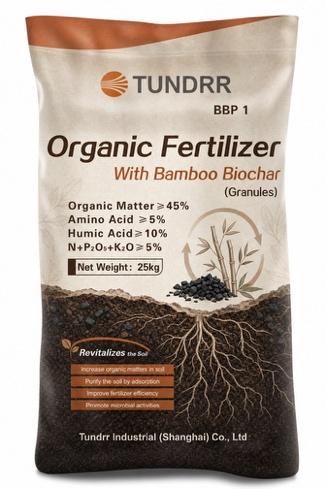
The real target is structure: crumbs and aggregates that hold nutrients long enough for roots to use them. Carbon-heavy additions such as woody compost or biochar slow water movement and keep soluble minerals from draining past the root zone. That means more of what the plant needs stays within reach between rain events or irrigation. Root growth gives the clearest feedback. Pale, shallow, or uneven root systems often reveal a blending problem before leaves show stress. By adjusting carbon ratios, compost maturity, or particle size based on root response, growers can refine an organic program that strengthens soil season after season without reaching for synthetic inputs.
Contact Us
Contact Person: Ellen Zhang
Email: [email protected]
Tel/WhatsApp: +86(21) 2287 6756
Website: https://www.tundrr.com/en/