
Original Manufacturer Insights: Contact Plate Freezer Technology Explained
2026-04-19
In the world of industrial freezing technology, one innovation stands out for its efficiency and reliability: the contact plate freezer. As manufacturers seek advanced solutions to meet growing demands for quality and speed, understanding this technology becomes crucial. At Worldbase, we're excited to share insights from original manufacturers who have perfected this process. This blog post dives into the core principles and benefits of contact plate freezer technology, offering a clear explanation that can help you optimize your operations. We'll uncover how it works, why it matters, and what sets it apart in today’s competitive market. Stay tuned to learn more about this game-changing approach and how it could transform your business.
Understanding Contact Plate Freezer Fundamentals
When diving into contact plate freezers, it's essential to grasp how they work by directly cooling food products placed between metal plates. Unlike blast freezers that rely on air circulation, these units use refrigerated plates that press against the food, which speeds up the freezing process significantly. This method is particularly effective for items like fish fillets, meat patties, or pre-packaged meals, as it minimizes dehydration and helps retain texture and flavor.
A key aspect to consider is the plate design and material, often made from aluminum or stainless steel for efficient heat transfer. The plates are arranged in a stack or series, allowing for batch or continuous processing. By adjusting pressure and temperature settings, operators can tailor the freezing cycle to different products, ensuring uniform freezing without compromising quality. This customization makes contact plate freezers versatile in food processing lines.
Beyond basics, understanding maintenance and energy efficiency is crucial for optimal performance. Regular cleaning prevents ice buildup and contamination, while proper insulation and modern refrigeration systems can reduce energy costs. Innovations like automated loading systems enhance productivity, making them a smart investment for businesses aiming to scale up without sacrificing product integrity.
How Contact Plates Optimize Freezing Efficiency
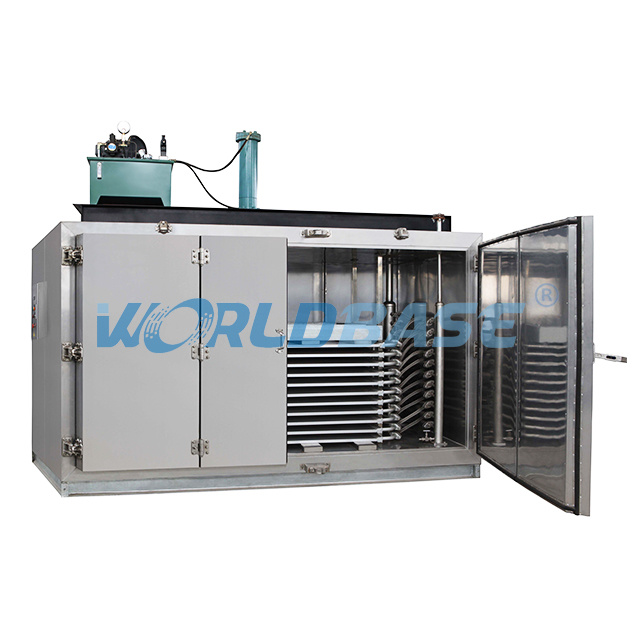
Contact plates are specialized tools used in freezing processes to enhance thermal transfer between samples and cooling surfaces. By maximizing direct contact, these plates reduce air gaps that typically insulate samples, leading to faster and more uniform freezing. This is particularly valuable in laboratories and industrial settings where precise temperature control is critical for preserving sample integrity. The design often incorporates materials with high thermal conductivity, such as aluminum or copper, which efficiently draw heat away from the specimen.
In practice, contact plates can significantly cut down freezing times compared to traditional methods. For instance, when freezing biological samples or food products, using a contact plate can drop temperatures more rapidly, minimizing the formation of large ice crystals that might damage cellular structures. This not only improves efficiency but also boosts the quality of the end product. Many laboratories have observed that with contact plates, they achieve consistent results even with varied sample sizes, making processes more reliable and scalable.
The versatility of contact plates adds another layer of optimization, as they can be customized for different applications, from cryopreservation to industrial cooling. By tailoring the plate's surface texture or integrating it with automated systems, users can fine-tune freezing parameters to suit specific needs. This adaptability helps laboratories and manufacturers avoid one-size-fits-all pitfalls, ensuring that each freezing cycle is as efficient as possible without compromising on quality or safety standards.
Key Components and Materials in Plate Freezer Design
The heart of any plate freezer lies in its robust construction, which typically features stacked metal plates. These plates, often made from aluminum or stainless steel, are engineered to maximize heat transfer efficiency while resisting corrosion from harsh industrial environments. Each plate contains internal channels that circulate refrigerants, enabling rapid freezing by directly contacting food products placed between them.
Hydraulic systems play a crucial role in ensuring uniform pressure across the plates, compressing items like fish fillets or packaged vegetables to eliminate air gaps and enhance thermal contact. This mechanism often includes adjustable settings to accommodate different product thicknesses, preventing damage while optimizing freeze times. The frames supporting these components are usually constructed from heavy-duty steel to withstand continuous operation and maintain alignment under stress.
Insulation materials, such as polyurethane foam, are strategically integrated around the freezer's exterior to minimize energy loss and maintain consistent low temperatures. Additionally, modern designs incorporate advanced coatings on plates to prevent sticking and simplify cleaning, addressing hygiene concerns in food processing. These elements combine to create a system that balances durability, efficiency, and ease of maintenance, tailored to diverse industrial needs.
Applications Across Food and Industrial Sectors
The versatility of fermentation and enzymatic processes finds a home in both food production and industrial applications, where they drive innovation and sustainability. In the food sector, these methods are key for crafting everything from tangy yogurts and artisanal cheeses to plant-based meat alternatives that mimic traditional flavors without compromising on texture. Beyond the kitchen, industries leverage these biological tools to produce biofuels, biodegradable plastics, and pharmaceuticals, reducing reliance on fossil fuels and minimizing environmental footprints.
In food contexts, fermentation isn't just about preservation anymore; it's a gateway to enhancing nutritional profiles, such as boosting probiotic content in fermented drinks or creating low-sugar alternatives through natural sweeteners. Meanwhile, industrial uses extend to wastewater treatment and chemical synthesis, where enzymes break down pollutants efficiently or catalyze reactions that yield high-value compounds with precision, often cutting energy costs and waste compared to conventional methods.
What sets these applications apart is their adaptability: from small-scale artisanal breweries experimenting with local ingredients to large-scale biomanufacturing plants optimizing enzyme blends for detergent or textile production. This cross-sector synergy highlights how biological processes can bridge gaps, offering eco-friendly solutions that satisfy consumer demands for healthier foods and greener products while supporting industrial efficiency and circular economy goals.
Maintenance Tips for Peak Freezer Performance
To keep your freezer running smoothly, start by setting the right temperature. Many people think colder is better, but setting it too low can waste energy and strain the motor. Aim for 0°F (-18°C) – this is ideal for preserving food while keeping your appliance efficient. Check the thermometer regularly, as fluctuations might signal an issue. A simple tweak here can prevent costly repairs down the line.
Regular cleaning is another key step. Wipe down the interior monthly to remove ice buildup and spills, which can hinder airflow. Don't forget the coils at the back or bottom; dust accumulation makes the compressor work harder. Unplug the unit, use a vacuum or brush, and you'll notice quieter operation and lower energy bills. This small habit goes a long way in extending your freezer's lifespan.
Finally, be mindful of how you load it. Overfilling blocks vents and disrupts cold air circulation, leading to uneven cooling. Leave some space between items for air to flow freely. If possible, use clear bins to organize contents, making it easier to find what you need without leaving the door open too long. A well-maintained freezer not only saves on electricity but also keeps your food fresher and tastier.
Comparing Contact Plate Freezers to Other Technologies
When evaluating freezing technologies, contact plate freezers stand out for their ability to deliver rapid and uniform freezing through direct heat transfer. Unlike air blast freezers, which rely on circulation and can lead to uneven cooling and freezer burn, contact plates press against food surfaces, ensuring consistent temperatures and reduced moisture loss. This method is particularly effective for products like fish fillets or pre-packaged items, where maintaining texture and quality is paramount. In contrast, cryogenic freezers, using substances like liquid nitrogen, offer even faster freezing but may involve higher operational costs and potential environmental concerns.
Another key distinction lies in energy efficiency and operational flexibility. Contact plate freezers typically require less energy per unit of product compared to traditional air-based systems, as they minimize heat exchange with ambient air. However, they might be less versatile for irregularly shaped items that don't fit snugly against the plates. Spiral freezers, for instance, can handle a wider variety of shapes with continuous processing, but they often consume more space and energy in the long run. Thus, choosing between technologies often hinges on balancing speed, cost, and product-specific needs.
Practical applications further highlight these differences. In seafood processing, contact plate freezers are favored for their quick freeze times that lock in freshness, whereas blast freezers might be used for bulk storage where speed is less critical. Innovations in plate design and materials are also making contact freezers more adaptable and efficient, challenging older assumptions about their limitations. Ultimately, the choice depends on factors like throughput, product type, and sustainability goals, with contact plates offering a compelling mix of performance and reliability in many industrial settings.
FAQ
Contact plate freezer technology is a method of freezing food by placing it between two refrigerated metal plates, ensuring rapid and uniform cooling through direct contact, which helps preserve quality and texture.
A contact plate freezer works by compressing food products between plates that are cooled by a refrigerant, efficiently transferring cold directly to the food to freeze it quickly and evenly.
Advantages include faster freezing times, reduced ice crystal formation for better product quality, energy efficiency due to direct contact cooling, and space-saving design in food processing facilities.
Yes, contact plate freezers are versatile and can freeze a wide range of foods, such as meat, fish, vegetables, and packaged items, by adjusting plate pressure and temperature settings.
This technology is widely used in the food processing, seafood, and meat industries, as well as by companies producing frozen meals, where rapid freezing is essential for maintaining freshness.
Compared to air blast or cryogenic freezers, contact plate freezers offer quicker freezing with less moisture loss, making them ideal for products that require tight quality control and preservation of texture.
Regular maintenance includes cleaning plates to prevent contamination, checking refrigerant levels, and inspecting seals and compressors to ensure efficient operation and longevity of the equipment.
Limitations can include higher initial costs compared to some other freezers, the need for uniform product thickness for effective freezing, and potential challenges with very irregularly shaped items.
Conclusion
Contact plate freezers represent a sophisticated freezing technology where products are placed between refrigerated plates for rapid and uniform cooling. This method leverages direct thermal contact to transfer heat efficiently from the product to the refrigerant circulating within the plates. By understanding these fundamentals, one can appreciate how the design minimizes air gaps and reduces freezing times compared to traditional methods. The process not only preserves product quality by preventing ice crystal formation but also enhances energy efficiency, making it a preferred choice in various industries seeking reliable freezing solutions.
Key components such as high-grade stainless steel plates and advanced insulation materials ensure durability and optimal performance. These freezers find applications across food processing, pharmaceuticals, and industrial sectors, where precise temperature control is crucial. Maintenance involves regular cleaning and monitoring of refrigerant levels to sustain peak efficiency. When compared to alternatives like blast freezers or cryogenic systems, contact plate freezers often offer better heat transfer rates and lower operating costs, though they may require more initial investment. Overall, insights from original manufacturers highlight this technology's balance of speed, quality preservation, and versatility in modern freezing applications.
Contact Us
Contact Person: Mr Yang
Email: [email protected]
Tel/WhatsApp: +8613809083091
Website: https://en.worldbase.cn