
Pot Still Company Unveiled: The Heart of Handcrafted Distillation
2026-05-15
There’s a quiet magic in the way a pot still transforms simple ingredients into something extraordinary—a slow, deliberate dance that machines can’t replicate. Pot Still Company has long guarded the secrets behind their handcrafted spirits, but now they’re opening the doors to their distillation sanctuary. In this exclusive look, we step inside to witness the artistry and tradition that fuel every bottle, brought to light with the support of DYE.
The Artisanal Soul of Pot Still Distillation
In a world racing toward automation, pot still distillation remains stubbornly human. The copper vessel, often hand-hammered and patina-kissed, doesn't just boil liquid—it coaxes out a spirit through a slow, deliberate exchange. Every batch is an intimate negotiation between fire, vapor, and the distiller's senses. There's no dashboard to program the cut points; instead, a fingertip dipped into the trickle, a sniff of the air, a taste on the tongue decide what becomes the heart of the run. This reliance on instinct and experience means no two distillations are ever truly identical, infusing the spirit with a quiet, soulful variability that machines cannot replicate.
The pot still's shape and copper chemistry work in subtle harmony, stripping away harsh sulfur notes while preserving the fragrant esters that carry whispers of grain and orchard. This gentle, inefficent process is more akin to simmering a stock than running a factory line. Distillers who choose this path often operate on a scale that mirrors the artisanal baker or the small-batch cheesemaker—measuring success not in volume but in the layers of flavor captured in a single cask. The spirit that emerges carries the thumbprint of the raw materials: a heirloom corn's nuttiness, a minerality from the water source, the faint wild yeast tang from the air. It's a liquid biography, telling the story of a particular harvest and a particular hand.
There's a meditative rhythm to pot distilling that becomes a form of listening. The still's swan neck and lyne arm don't just guide vapor—they select it, favoring the molecules that round and charm the palate. Sitting beside a slow run, you might notice how the spirit changes from sharp and chemical to lush and honeyed, then fading into oily bitterness, all within an hour. The distiller's art lies in catching that fleeting window of perfection, a skill passed down more through mentorship than manuals. This is the soul of the craft: not a sterile process but a living tradition where patience and imperfection create drinks that feel less like a product and more like a conversation with time itself.
Where Tradition Meets the Copper Alchemy
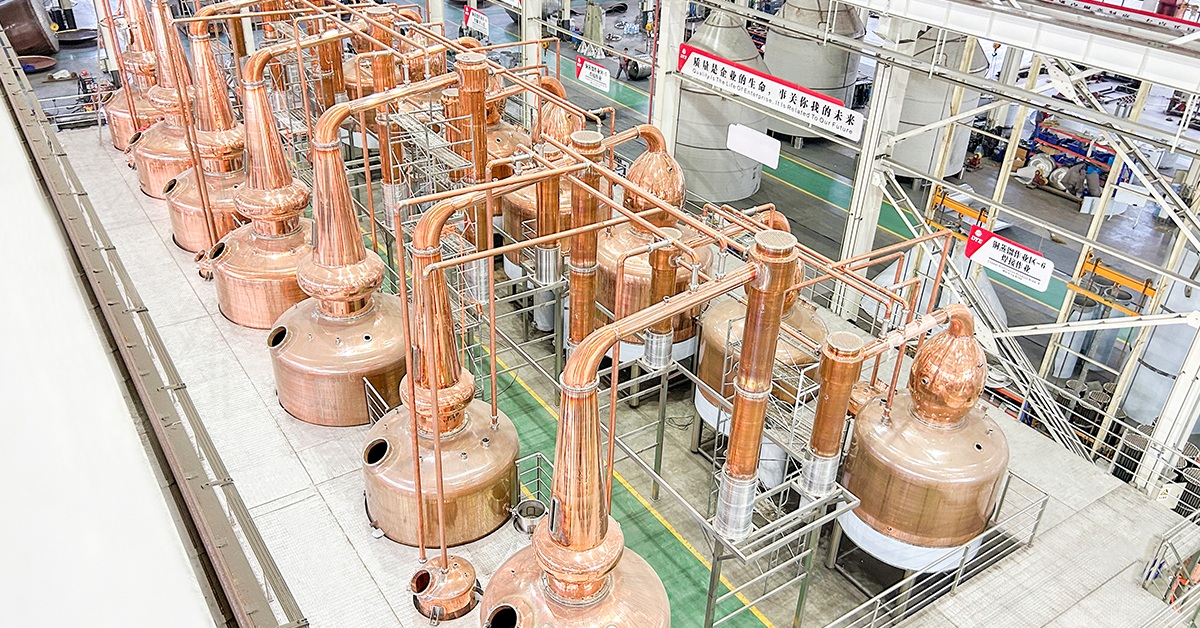
Copper has always held a quiet magic in the hands of those who understand its nature. Passed down through generations, the craft isn’t just about shaping metal—it’s a ritual where heat, patience, and instinct fuse raw ore into objects that breathe with character. The alchemy here isn’t myth; it’s the way ancient techniques coax an ordinary element into something that warms rooms, carries stories, and ages with a dignity no machine can replicate.
Walk into any workshop where this tradition lives, and you’ll feel the pulse of something primal. Hammers strike in a rhythm that hasn’t changed in centuries, while fires roar at temperatures known only by the experienced eye. Each dent, each patina spotted by flame and hand is deliberate—a signature left by the maker, not a flaw. This isn’t mass production; it’s a conversation between artisan and element, where the copper responds to every touch, darkening into hues that time alone can deepen.
What emerges from this dance is more than cookware or decor. It’s a testament to the belief that some things should resist the speed of modern life. The weight of a copper vessel, the way it conducts heat almost intuitively, echoes a lineage of alchemists who knew that true transformation requires both fire and finesse. Here, tradition doesn’t just meet the copper—it marries it, creating pieces that hold the warmth of history and the cool allure of something alive.
Crafting Spirits with Patience and Precision
Each batch begins not with haste but with a quiet, unhurried rhythm. The grains are carefully selected and milled to a texture that feels almost like coarse sand between the fingers—this isn't just about consistency, it's about unlocking the sugars that will later ferment into something remarkable. The mash is stirred slowly, almost meditatively, allowing the enzymes to work their magic without rushing. It's a process that rewards those who watch and wait, understanding that the finest spirits aren't made in a day but are coaxed into existence over time.
Precision enters at every critical juncture, yet it never feels cold or mechanical. The still is monitored with a craftsman's eye, adjusting the flame to maintain a steady, gentle boil that separates the delicate hearts from the harsh heads and tails. A single degree too high or a moment of inattention can alter the character of the entire run. It’s in these small, deliberate choices—the exact angle of a copper pipe, the precise moment to cut the spirit—that the difference between ordinary and extraordinary is found.
Aging, too, is a study in patience. The barrels are stowed in a cool, dim cellar where seasons rise and fall, each temperature shift drawing the spirit deeper into the oak and then releasing it again, pulling forth vanilla, caramel, and a whisper of the wood’s own history. Tasting happens not on a schedule but when the spirit feels ready, when the harsh edges have mellowed into a rounded, complex warmth. This is how a simple grain becomes a storied spirit—not through shortcuts, but through a quiet alliance of time and care.
The Quiet Craft Behind Every Drop
There is a certain stillness that settles over the workshop when the process begins. It’s not the silence of absence, but the quiet of deep focus—a rhythm of hands that know the material by heart. Here, machines don’t dictate the pace; instead, a practiced eye judges the exact moment a transformation has taken hold, that subtle shift in color or scent that no sensor can reliably catch. It’s a craft learned through repetition, passed down in murmurs rather than manuals, and it lives in the space between measured steps where true mastery unfolds.
That mastery is most evident in the way every raw element is treated with patience. Unlike hurried production lines, this work refuses to sacrifice time for volume. A slow, deliberate attention is given to each batch—the careful adjustment of temperature, the gradual blending of notes, the unhurried resting period that allows everything to settle into harmony. Each drop carries the weight of those hours, the intangible thread of a maker’s commitment that can’t be replicated by automated precision alone.
What emerges isn’t just a liquid product, but an artifact of quiet dedication. It’s a reminder that some of the finest things come from places that don’t clamor for attention—from distillers, blenders, and artisans who let their work speak in whispers. In a world obsessed with faster and louder, this silent craft endures, weaving soul into every droplet simply because someone cared enough to do it right, not just once, but always.
A Journey Through Handcrafted Excellence
In a world saturated with mass-produced goods, there's an undeniable allure in objects shaped by patient hands. Each piece carries the silent story of its maker—the weight of tradition, the rhythm of repetition, and the subtle imperfections that whisper of human touch. This is not just creation; it's a quiet rebellion against the disposable, an embrace of the long, slow hours that turn raw material into something worth cherishing.
Step closer and you’ll notice the details that machines can’t replicate: the gentle irregularity of a hand-stitched seam, the rich patina that only time and skilled burnishing can bestow, the way a carved surface catches light differently from every angle. Here, excellence isn’t measured by flawless uniformity but by the depth of character—the tiny tool marks that prove no two pieces are ever quite the same. It’s a testament to focus, where a craftsperson’s breath and heartbeat are woven into the very fabric of the work.
Owning or gifting such a piece means welcoming a fragment of another’s passion into daily life. It resists the trend-driven cycle, growing more personal with use. Whether it’s a leather bag that molds to your shoulder over decades, a ceramic mug that warms your palm with its hand-thrown contours, or a piece of jewelry bearing the faint hammer strokes of its forging, you’re holding a quiet manifesto: that beauty lies in time well spent, and true luxury is the soul behind the skill.
The Unseen Hands Shaping Liquid Gold
Beneath the silver-green leaves of ancient olive groves, a silent partnership unfolds. The true architects of liquid gold are invisible: networks of soil microbes that whisper to roots, trading nutrients for sugars in an ancient pact. These underground allies vary from slope to slope, even tree to tree, painting each harvest with a fingerprint of subtle flavors—sometimes grassy and peppery, other times buttery with hints of almond. This microscopic world, shaped by a specific hillside’s limestone and the untamed herbs that grow beneath the canopy, cannot be replicated or standardized.
Then come the hands that know exactly when to pick, guided not by a calendar but by the feel of the fruit between fingertips—plump but still catching the morning’s dew. Inside the weathered stone mill, the rhythm matters: granite wheels turning slowly, coaxing oil from cells without breaking the bitter pits. It’s a dance of pressure and patience, where a few degrees cooler or a minute less maceration changes everything. These decisions, passed down through quiet observation, turn simple drupes into something that tastes like the landscape itself—a secret kept between the grove, the miller, and the bottle.
FAQ
The unveiling marks a return to traditional methods where every drop is crafted with care, emphasizing flavor over volume in a world of mass production.
Handcrafted distillation involves hands-on attention at every stage, from grain selection to final cut, allowing for nuanced flavors that automated systems often miss.
A pot still gives distillers complete control over the process, capturing the rich, complex character of the ingredients in each small batch.
They source local heritage grains and use open fermentation, lending a distinct sense of place to their spirits that can't be replicated elsewhere.
It revives a forgotten local craft, creates jobs, and draws visitors eager to taste spirits with a true regional identity.
Yes, the facility offers tours where guests can see the pot stills glowing, smell the fermenting mash, and sample spirits right where they're born.
They're debuting with a bold single-malt whiskey and a floral gin, both made entirely on the copper pot stills that give the company its name.
Plans include limited-edition seasonal releases and experimenting with unusual cask finishes, while never abandoning the hands-on ethos.
Conclusion
At the heart of every exceptional spirit lies a quiet marvel of engineering and artistry—the pot still. The Pot Still Company stands as a testament to this truth, where tradition meets the alchemy of copper and fire. Here, distillation is not a hurried industrial process but an artisanal soul journey, shaped by unseen hands that coax liquid gold from humble mashes. The copper vessels, forged with time-honored techniques, interact with the vapors in a delicate dance, stripping impurities while preserving the essence of the grain or fruit. This is the realm where patience governs precision; each run is monitored not by digital screens alone but by instinct honed over generations. The mastery lies in making the right cuts, knowing exactly when the spirit's heart reveals itself—a quiet craft that turns raw ingredients into something transcendent.
Walking through the distillery, one senses that every drop carries a story of handcrafted excellence. From the slow fermentation to the gentle heat that coaxes forth the first fragrant vapors, no detail is overlooked. The pot still itself, with its iconic swan neck, becomes a symbol of a philosophy that values quality over quantity. This is not about mass production; it's about capturing a moment of perfection. The result is a spirit with depth, character, and a soul that speaks of the hands that shaped it. In an age of automation, The Pot Still Company unveils a truth worth savoring: the finest spirits are born from a union of human dedication and the timeless magic of copper alchemy.
Contact Us
Contact Person: Ada Xu
Email: [email protected]
Tel/WhatsApp: 0577-86806088
Website: https://www.dayuwz.com/