
Private Label Bamboo Socks: Launch Your Sustainable Fashion Brand
2026-06-26
Bamboo socks aren’t just a trend—they’re a quiet revolution in sustainable fashion. As more consumers demand eco-friendly choices, launching your own private label line puts you at the forefront of a movement that’s reshaping the industry. Imagine offering socks that feel like silk, outperform cotton, and tread lightly on the planet—all while carrying your unique brand identity. That’s the opportunity waiting behind the rise of bamboo textiles. At KINDWAY, we’ve seen how the right pair of socks can spark bigger conversations about conscious consumerism. This guide explores how you can turn bamboo fibers into a statement of style and sustainability—without getting lost in the jungle of sourcing and design.
Why Bamboo Socks Are Taking Over the Eco-Fashion Scene
It’s no secret that the fashion industry has a hefty environmental footprint, but bamboo socks are quietly rewriting that narrative. Unlike conventional cotton, bamboo thrives without pesticides or excessive irrigation, regenerating rapidly after harvest and locking carbon into the soil. The resulting fabric feels like a second skin—silky soft, yet durable enough to outlast your average pair of nylon-blend socks by months. And when they finally wear thin, they return to the earth without a trace of microplastics, a quiet nod to the growing demand for truly circular wardrobes.
Beyond the green credentials, there’s a sensory logic driving their popularity. Bamboo fibers are naturally porous, wicking moisture away from the skin and keeping feet cooler in summer, warmer in winter. Add a built-in antimicrobial agent called bamboo kun, and you suddenly have socks that can handle a long hike or a 12-hour workday without turning hostile. It’s this marriage of high performance and low maintenance that has converted everyone from trail runners to baristas, who swear by a single pair that lasts a week without a wash—though your mileage may vary.
What’s really tipping the scales, though, is the aesthetic pivot. Early eco-friendly basics often felt scratchy or came in oatmeal beige, but today’s bamboo socks flaunt rich, dye-hungry fibers that hold deep indigos, speckled heathers, and even punchy neons without synthetic fixatives. Small indie labels and mainstream giants alike are leaning into playful patterns and subtle textures, making them a staple for anyone who wants their sock drawer to reflect a personality, not just a pledge. In a world where conscious consumption no longer means compromising on style, bamboo is stitching its way from niche to norm, one cushioned sole at a time.
Finding a Reliable Private Label Partner for Your Brand
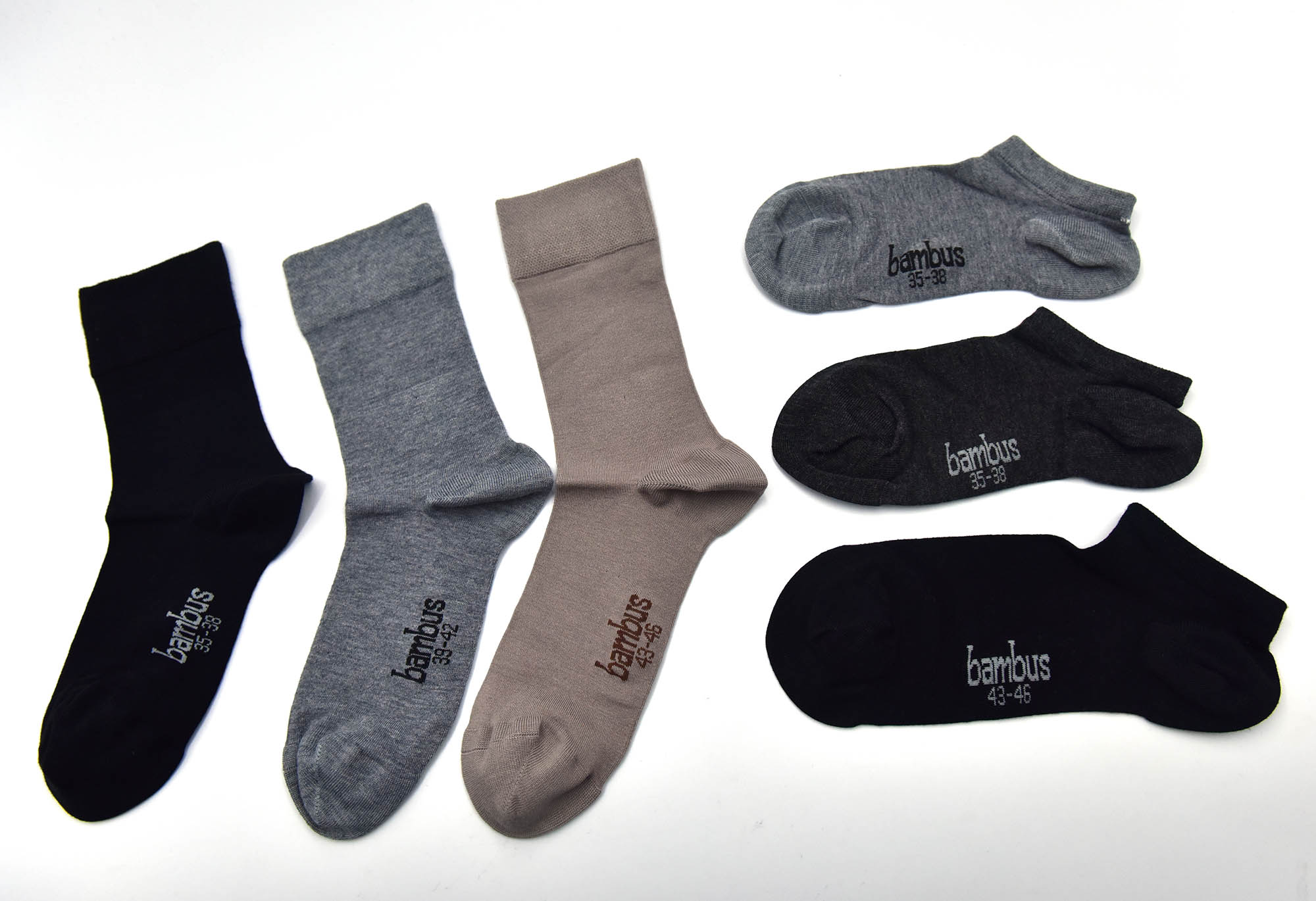
Selecting the right private label partner goes beyond comparing price lists and production timelines. It demands a closer look at how a manufacturer handles quality control, communicates during setbacks, and adapts to shifting retail demands. A truly dependable partner treats your brand’s growth as their own, offering proactive suggestions instead of just filling orders. Start by requesting samples from different suppliers—not only the polished prototypes but also random production runs—to gauge real-world consistency. Pay attention to how they respond to feedback: a collaborative, solutions-oriented manufacturer is often worth more than one that simply promises the lowest cost.
Visiting the facility, even through a virtual tour, can reveal details that polished emails conceal. Look for clean, organized production floors, clear labeling systems, and teams that seem engaged rather than rushed. Ask about their sourcing practices for raw materials and whether they maintain contingency plans for supply chain disruptions. Reliable partners often have long-standing relationships with material vendors and carry safety stock to buffer against unexpected delays. Don’t hesitate to request references from brands similar in size to yours; hearing firsthand about their experiences with late shipments, defect rates, and the ease of dispute resolution will give you a more realistic picture than any sales pitch.
Finally, build in a trial period before scaling up. Start with a modest production run and treat it as a live test of the partnership. Monitor not just product quality but the supplier’s timeliness, transparency in invoicing, and willingness to troubleshoot issues without defensiveness. During this phase, you’ll often spot patterns that determine whether the relationship can handle pivots—like a sudden product redesign or a surge in seasonal demand. The right partner won’t just execute your current spec sheet; they’ll share insights from their industry experience to help refine your product for longer-term success.
Crafting a Brand Story That Connects With Conscious Consumers
Conscious consumers aren’t just buying a product—they’re aligning with a set of values. Your brand story needs to move beyond polished mission statements and into the messy, honest truth of why you exist. People can sense authenticity from a mile away; they want to know the real struggles, the unexpected pivots, and the moments that shaped your commitment to doing better—for people and the planet.
Instead of listing achievements, show the impact through tangible details. Maybe it’s the farmer who finally sends her kids to school because of fair wages, or the fabric waste that found new life as packaging. These micro-narratives make your purpose relatable. Remember, conscious consumers are skeptics by nature—they’ll check your claims. So build your story around actions already taken, not promises yet to come.
Finally, let your community co-author the narrative. Invite customers to share how your brand fits into their own conscious living journey. Whether it’s a photo of a repaired garment or a story of a low-waste routine, their voices add texture that no ad copy can replicate. A collaborative story doesn’t just connect—it creates belonging.
Design Tips That Make Your Bamboo Socks Stand Out
Bamboo socks have a natural charm, but clever design choices can elevate them from basic to memorable. Play with subtle textures – think fine ribbing or a quiet herringbone pattern – that catch the light without overpowering the sustainable vibe. Even a well-placed contrast heel or toe seam in an earthy tone adds a considered detail, making the pair feel special at first glance.
Color is where you can truly set the mood. Instead of predictable solid shades, try low-contrast marls or speckled yarns that echo the organic origin of the fiber. A muted palette inspired by stone, bark, or river clay feels rooted in nature, while a single unexpected pop – a vivid cuff or a hidden stripe – turns a utilitarian item into a personal statement. The key is to let the bamboo's soft drape guide the palette, not fight it.
Finally, think about the whole foot experience. Bamboo's breathability means you can play with strategic ventilation zones: a delicate mesh knit on the instep or side panels. Reimagine the sock's architecture by shifting the arch support into a gentle, patterned compression band that's as stylish as it is functional. When every element – from the toe closure to the cuff's roll – feels intentional, your design lingers in the mind long after the shoes come off.
Navigating Production Challenges Without the Headaches
Production hurdles often feel like a maze—unexpected equipment downtime, shifting supplier timelines, or sudden quality hiccups. The trick isn't to avoid every snag, but to build a response system that absorbs shock without derailing your entire schedule. I've found that mapping out critical dependencies with a simple live dashboard, paired with a five-minute daily cross-team huddle, catches most issues before they balloon. When everyone knows which metric to watch and who's on point for each leg, the chaos shrinks dramatically.
Another game-changer has been treating supplier relationships less like transactions and more like partnerships. Instead of firing off frantic emails when a shipment runs late, we now share rolling forecasts and even co-invest in buffer stock for volatile materials. This upfront effort cuts the late-night firefighting dramatically. And when something does still break—because it will—we lean on a pre-agreed escalation path: first action by the line lead within ten minutes, then automatically pull in engineering if it's not resolved. No decision-making paralysis, just a rhythm that keeps things moving.
The mental load of production management is real, so I try to normalize talking about pressure points openly without blame. We introduced a quick post-mortem format that focuses on system gaps rather than individual slips—it's amazing how much smoother things run when people aren't terrified of being singled out. Pair that with one block of deep-work time each morning to review the day's risk points, and you'll find that what used to feel like constant headaches becomes manageable friction. It's not about perfection; it's about making the tough days fewer and farther between.
Marketing Approaches That Feel Genuine, Not Forced
People can tell when a brand is trying too hard. The most resonant marketing doesn’t shout for attention—it connects through shared values and helpful moments. Instead of pushing a hard sell, genuine approaches meet customers where they are, whether that’s through a witty social reply, a community event, or simply acknowledging a mistake with humility. When the focus shifts from “getting the sale” to building a real relationship, the promotion starts to feel like a natural extension of the brand’s personality, not an interruption.
One effective method is to let your customers do the talking, but without the staged feel of a typical testimonial. Encourage unfiltered stories—short video clips, candid photos, even voice messages—and weave them into your campaigns. When a brand amplifies real moments instead of scripted perfection, it signals confidence and authenticity. Another path is to lean into understated content that prioritizes usefulness over promotion: a thoughtfully curated playlist, a behind-the-scenes glimpse that shows the messy creative process, or a genuine “thank you” note tucked into a package. These small gestures often leave a deeper impression than polished ads because they feel human-scaled and unforced.
The companies that pull this off often share a common trait: they listen more than they broadcast. They pay attention to cultural conversations and jump in only when they have something meaningful to add, not just to ride a trend. By aligning marketing efforts with the brand’s actual behavior—whether that’s sustainability practices, inclusive hiring, or just being consistently decent to customers—the promotional side stops feeling like a mask. It becomes transparent, and that transparency is what turns casual observers into loyal advocates over time.
FAQ
Bamboo fabric breathes better and wicks moisture faster, keeping feet drier and less prone to blisters. It's also naturally antibacterial, which means fewer odors. From a brand angle, bamboo lets you tap into eco-conscious shoppers who see cotton as water-intensive and less innovative. The material feels softer against the skin, and that luxury touch can justify a higher retail price. Sustainability sells, but comfort brings repeat customers.
Focus on the product first. Research mills that specialize in bamboo blends, order samples, and wear-test them yourself. You don't need a design degree—pick three versatile styles (crew, quarter, no-show) and start with neutral colors plus one bold option. Register a simple brand name, create basic packaging with recycled materials, and launch through a Shopify store. Many successful founders started by selling to friends and local yoga studios before scaling.
Look beyond the 'bamboo' label. True sustainability comes from closed-loop lyocell processing that recycles solvents, not the viscose method that dumps chemicals. Ask suppliers for certifications like OEKO-TEX or FSC. Even better, choose organic bamboo grown without irrigation or fertilizers. The complete picture includes durable socks that last longer, reducing waste. Package them in compostable bags, and you've got a genuinely transparent product that skeptical buyers will trust.
Yes, but be strategic. Many manufacturers now accept MOQs as low as 200-300 pairs per design for simple patterns and colorways. Skip all-over prints and focus on embroidered logos or custom knit-in heels. You can also start with stock designs and add custom labels, hang tags, or unique packaging—small touches that don't require big production minimums. As sales pick up, you can negotiate full custom runs.
Frame the value, not the cost. A typical three-pack of bamboo socks retails between $18 and $28, compared to $10-$15 for cotton. Your margin comes from skupping the middleman and selling D2C. Offer subscriptions for essentials—customers pay $15/month for two pairs, locking in LTV. Bundle socks with a bamboo soap or a reusable shoe bag to create a perceived gift set. The premium price also signals quality, which attracts buyers who've been burned by cheap, quick-wearing alternatives.
Going too broad too soon. New owners list 15 colors and 5 styles, stretch their budget, and end up with slow-moving inventory. Another trap is ignoring packaging: thin plastic sleeves undermine the eco message. People also underestimate customer service—buyers will ask about fit and care, and unhelpful replies kill repeat business. Start narrow, deliver fast, and get five-star reviews on a few hero SKUs before expanding.
Influencer collabs still outshine paid ads when done right. Partner with micro-creators who walk their talk—think outdoor guides, gym instructors, or zero-waste bloggers. Let them showcase a week of wear without washes to highlight odor resistance. TikTok unboxings of your compostable packaging go further than static posts. Also, try pop-ups at farmer's markets or eco fairs; people buy the feel and story in person, then order online later.
Release limited seasonal color drops two or three times a year, like eucalyptus green in spring or burnt sienna in autumn. That creates urgency and a reason for past customers to return. Introduce a take-back program—customers send old socks for recycling credit, which builds loyalty and reinforces your mission. Collaborate with a small charity: donate one pair for every ten sold. These layers turn a socks brand into a community that people want to support long-term.
Conclusion
Bamboo socks have quietly reshaped the eco-fashion niche because they solve a real problem: people want comfort without compromising their values. The fabric’s natural breathability, moisture-wicking ability, and biodegradability make it an easy favorite among conscious shoppers. But launching your own line goes beyond choosing the right material. The real groundwork lies in finding a private label partner who doesn't just factory-produce socks but understands the nuances of sustainable sourcing and low-impact dyeing. A supplier with transparent certifications and a willingness to tailor production to your brand's eco standards can become the backbone of your venture. Then comes the story—not a corporate mission statement, but something that reflects why you care. Maybe it's about reducing microplastics, supporting reforestation, or simply giving people a sock that feels like a second skin without trashing the planet. That narrative, when woven honestly into your packaging and social copy, resonates far louder than any generic green claims.
Design is where personality meets practicality. Subtle ribbing, a pop of natural color on the toe, or packaging made from seed paper can turn a basic sock into an experience. But don't underestimate production hiccups—sizing consistency, dye lot variations, and minimum order quantities can trip up newcomers. Work closely with your manufacturer early to nail down specs and request pre-production samples so there are no unwelcome surprises. On the marketing side, skip the hard sell. Instead, show real people wearing your socks on a muddy hike, at a yoga class, or simply lounging at home with a book. User-generated content and behind-the-scenes glimpses of your supply chain build trust without feeling pushy. The brands that thrive in this space are the ones that act less like sellers and more like a friend sharing a discovery they genuinely love.
Contact Us
Contact Person: Alfred Lee
Email: [email protected]
Tel/WhatsApp: +86 13806701496
Website: https://www.hainingsocks.com/