
Professional Food Grade Silica: Enhancing Food Quality and Safety Naturally
2026-05-10
Have you ever wondered what keeps your favorite powdered foods flowing freely and staying fresh? The answer might be simpler and more natural than you think. Professional food grade silica, a powerhouse anti-caking agent, is quietly revolutionizing the way we preserve food quality and safety. As a leading innovator in this field, Zhonglian is dedicated to providing pure, high-performance silica solutions that perfectly align with today’s clean-label demands. In this post, we’ll explore how this mineral marvel works, why it’s a trusted choice for manufacturers, and how it enhances everyday products from spices to health supplements.
Silica’s Quiet Role in Everyday Food Quality
You might not think about silica when you bite into a crisp apple or tear open a bag of flour, but this unassuming mineral quietly guards the freshness and texture of countless everyday foods. Derived from natural quartz, food-grade amorphous silica acts as an anti-caking agent, preventing powdered ingredients like spices, coffee creamer, and baking mixes from clumping into stubborn lumps. Its microscopic particles create a barrier that absorbs moisture and oil, ensuring that your grated cheese flows smoothly and your seasoning blends sprinkle evenly, even after months in the pantry.
Beyond keeping powders free-flowing, silica plays a subtle role in clarifying beverages like beer and wine, where it helps remove haze-forming proteins without altering flavor. In edible oils, it can adsorb impurities during refining, contributing to the clear, stable appearance consumers expect. The form used in food is carefully controlled—amorphous and synthetic, distinct from crystalline silica found in sand—and has been affirmed as safe by global health authorities when used within specified limits. Its inert nature means it passes through the body without being absorbed, quietly doing its job from packaging to plate.
What makes silica quietly remarkable is its invisibility in the final product: you’ll never taste or see it, yet its absence would quickly become apparent in clumped salt on a humid day or a congealed spice jar. In snack coatings, it helps keep spices adhered to chips without adding bulk, and in powdered health supplements, it ensures accurate dosing by maintaining flowability. This behind-the-scenes mineral exemplifies how modern food technology relies on simple, naturally derived solutions to solve everyday problems, letting us focus on flavor rather than fighting with a stuck container of garlic powder.
How It Naturally Prevents Clumping and Caking
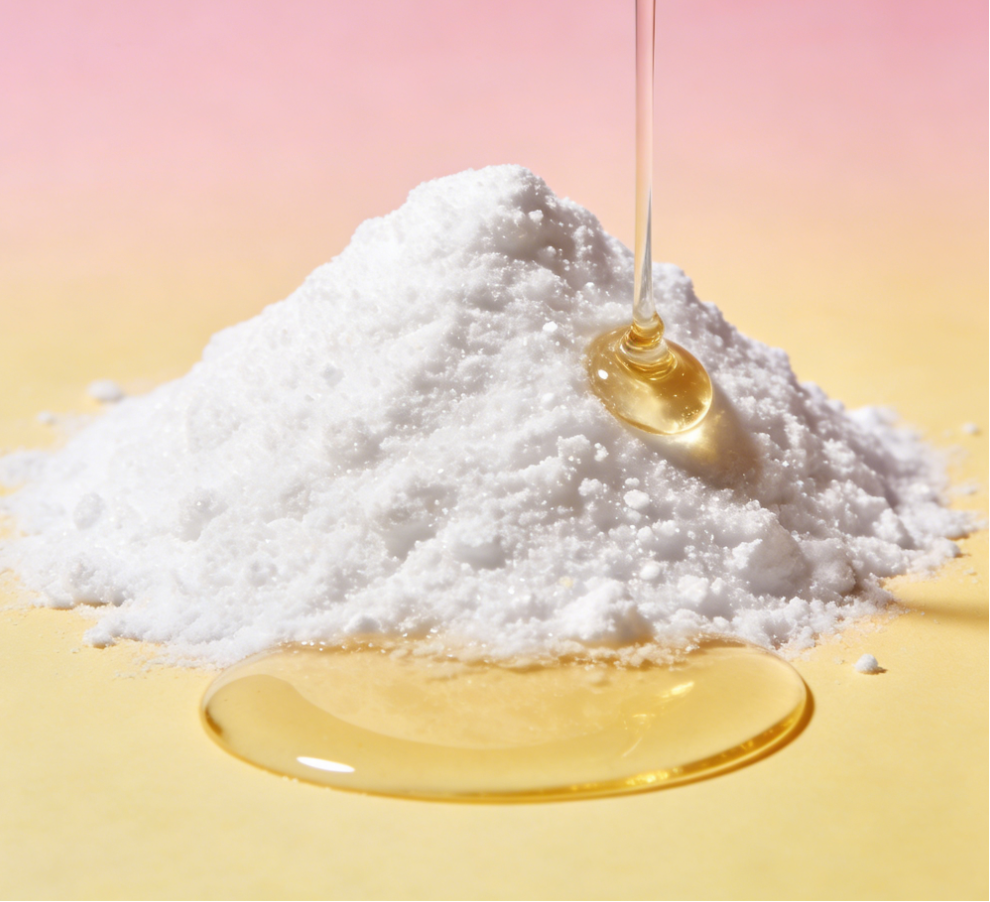
The surprising secret behind its anti-caking power lies in the way it interacts with moisture on a molecular scale. Rather than forming sticky bonds like many common powders, this ingredient boasts a network of tiny, irregular pores. These pores act like miniature sponges, eagerly capturing ambient water vapor before it has a chance to bridge particles together. Because this process is entirely physical—no chemical reactions involved—the original flavor, aroma, and nutritional profile stay completely intact. It’s a simple, elegant solution that nature figured out long before labs started tinkering.
You can think of it as a silent guardian inside every container. As humidity rises and falls with the seasons, it adapts seamlessly, releasing stored moisture back into a dry environment to maintain equilibrium. This self-regulating behavior prevents those frustrating hard chunks from forming, ensuring the powder remains as fine and smooth as the day it was packaged. It’s not just about convenience; it’s about preserving the experience from the first scoop to the last.
The Purity Difference: Food-Grade vs. Industrial Silica
When you pick up a bag of silica gel, the first thing you don't see is its purity level. Food-grade silica is refined to remove impurities like lead, arsenic, and other heavy metals that could leach into consumables. Industrial silica, on the other hand, might contain traces of these elements because its main job is to protect electronics or machinery from moisture, not to stay in contact with food.
The manufacturing process for food-grade silica undergoes stricter quality controls and often uses higher-grade raw materials. This ensures that even under temperature changes or prolonged contact, it won't release harmful substances. Industrial versions prioritize cost-effectiveness and moisture absorption capacity over purity, making them unsuitable for anything that enters the human body.
Regulations draw a hard line between the two: food-grade silica must comply with standards like FDA or EFSA, while industrial silica follows industry-specific durability and performance guidelines. That’s why using industrial silica in food packaging isn’t just careless—it’s a health risk. The difference in purity isn’t a minor detail; it’s what separates a safe product from a potential hazard.
Why Texture and Stability Depend on This Mineral
Think of this mineral as the hidden scaffold inside your product. It quietly binds key components together, creating a continuous network that resists collapse. When you stir, slice, or spread, that network flexes without breaking, delivering the smooth, consistent feel you expect. Without enough of it, the structure turns weak and watery—imagine a sauce that separates or a cream that curdles on the spoon.
Stability is where this mineral truly proves its worth. It acts as a buffer against environmental stress, locking moisture in place and preventing phase separation during freeze-thaw cycles or shelf storage. Even a slight shortage can lead to unexpected graininess or a layer of clear liquid pooling at the top. Getting the right amount isn’t just about holding shape—it’s about keeping products reliable from the first use to the last.
Unpacking the Safety of Silica in Your Diet
Silica, or silicon dioxide, quietly shows up in more foods than you'd guess. It's in leafy greens, whole grains, and even bananas, and while that might sound like something out of a chemistry lab, it's a natural part of how plants build their structure. The real question isn't whether it's present, but how your body handles what you swallow alongside your morning granola or evening salad.
Most of the silica we eat passes through without much fuss—it's poorly absorbed, which experts generally see as a good thing. But here's where the nuance kicks in: the form matters. The tiny particles added to prevent clumping in powdered foods are a different beast from what's bound up in a spinach leaf. Ongoing research is teasing apart whether these added nanoparticles behave differently in the gut, though current evidence suggests typical dietary exposure doesn't set off alarm bells.
So, should you be worried? For the vast majority of people, silica in food is a non-issue—just part of the background noise of modern eating. It's not glamorous or headline-grabbing, and that's sort of the point. The real takeaway is about context: the dose and the type matter enormously, and for now, regulatory bodies keep a watchful eye while the science gets clearer.
Real-World Uses from Spice Blends to Supplements
Turmeric isn’t just a kitchen staple—it’s a cornerstone of daily wellness routines in many cultures. From golden milk lattés to capsule supplements, its vibrant color and earthy warmth show up in ways that go far beyond curry. Home cooks might toss a pinch into scrambled eggs or roasted vegetables, while holistic enthusiasts blend it into morning smoothies for a gentle anti-inflammatory boost.
Spice blends like za’atar or berbere do more than season meat; they often double as digestive aids when steeped in hot water or mixed into yogurt. Meanwhile, single-origin spices such as cinnamon and ginger have quietly shifted from baking ingredients to starring roles in supplements aimed at blood sugar balance and nausea relief. The line between flavoring and functional food keeps blurring.
It’s common to see cayenne pepper in weight-loss capsules or black cumin seed oil bottled as a liquid supplement, proving that the spice rack has become a pantry pharmacy for many. Even everyday blends like Italian seasoning find second lives in herbal steam inhalations or infused oils for massage, reminding us that the most humble ingredients often wear multiple hats.
FAQ
Food grade silica is a pure, synthetic amorphous silicon dioxide that meets strict purity standards for use in foods. Unlike the silica gel in packaging, which often contains moisture indicators like cobalt chloride, food grade silica is completely safe to ingest in the tiny amounts used as an anti-caking agent or carrier. It's chemically the same as the mineral quartz, but manufactured to be amorphous rather than crystalline, which is crucial for safety.
You'll find it in powdered drink mixes, grated cheese, dried soups, seasoning blends, and even some supplements. Its main job is to prevent clumping by absorbing moisture, so anything that needs to stay free-flowing likely contains it. It's also used to carry flavors or nutrients, like in encapsulated vitamins.
It extends shelf life by preventing moisture-induced spoilage, which keeps dry products fresh longer without artificial preservatives. Because it's chemically inert, it doesn't react with food components, so it preserves taste and texture. By preventing clumps, it also ensures consistent dosing and mixing in manufacturing, reducing the risk of hot spots in fortified foods.
When used within regulatory limits (typically less than 2% by weight), food grade silica is recognized as safe by authorities like the FDA and EFSA. The particles are too fine to cause issues and pass through the digestive tract without being absorbed. Long-term studies haven't shown adverse effects, though inhaling the dust during handling is a separate concern—but that's a workplace safety issue, not a consumer one.
It's a bit of both. The raw material, silicon dioxide, comes from natural quartz, but the food grade version is synthetically processed to remove crystalline structures and impurities. So while the origin is natural, the final product is a refined, amorphous powder that nature doesn't provide in that exact form. The 'natural' aspect here likely refers to its inert, mineral-based origin versus petrochemical-derived additives.
Yes, it's often allowed in organic processing as a processing aid or anti-caking agent, but it depends on the certifying body. For example, in the US, it's permitted in organic products under the National Organic Program when used as a flow agent for dry ingredients. It's considered a non-synthetic, natural mineral, so it aligns with organic principles.
Purity is paramount—look for suppliers that provide certificates of analysis confirming heavy metals and crystalline silica are below safe thresholds. Particle size distribution matters for functionality: finer particles provide better anti-caking, while larger ones might be better for carrying. Also, consider whether they offer pre-blended forms for easier incorporation into your process. Consistency between batches is critical to avoid production hiccups.
Conclusion
Silica quietly contributes to the everyday quality of countless foods, often without you ever noticing. This natural mineral acts as a humble guardian against moisture, preventing powders, spices, and dry mixes from clumping into unmanageable lumps. By absorbing ambient humidity, it ensures that ingredients stay free-flowing, preserving the texture and stability that both home cooks and manufacturers rely on. Beyond its anti-caking magic, food-grade silica also supports consistent mouthfeel and extends shelf life without altering taste or nutritional value. Its safety has been well established through decades of study, with purified silica being inert and easily passing through the digestive system without being absorbed.
A critical factor often overlooked is the purity difference between food-grade and industrial silica. Only rigorously processed, high-purity silica meets the strict standards for direct food contact, leaving behind any heavy metals or contaminants found in lower-grade versions. This distinction is what makes it suitable for everything from delicate spice blends and supplement capsules to powdered beverages and dried soups. Whether it’s keeping your favorite chai mix loose and scoopable or ensuring vitamin powders remain effective, professional food-grade silica delivers its benefits naturally and unobtrusively. It remains a behind-the-scenes ally, quietly enhancing both the integrity and safety of our modern food supply.
Contact Us
Contact Person: Levin Wang
Email: [email protected]
Tel/WhatsApp: 8618668999988
Website: https://www.silicaplant.com/