
Shearing Machine Vendor: How to Choose the Right Partner for Your Workshop
2026-10-24
Choosing a shearing machine vendor is more than just comparing specs and prices—it’s about finding a partner who understands your workshop’s daily rhythm, material challenges, and growth plans. A wrong choice can mean downtime, inconsistent cuts, and hidden costs that eat into your margins. That’s why more workshop owners are turning to HUNSONE, a name built on reliable engineering and responsive support. In this guide, we’ll break down the key factors to evaluate so you can move beyond sales pitches and make a decision that keeps your production line running smoothly for years.
Match the Machine to What You Actually Cut Each Week
Most people shop by brand or horsepower, then wonder why the mower struggles or feels like overkill. If you're cutting a compact lawn once a week, a basic 20-inch push reel or electric mower handles the job without draining your garage space. But if you're dealing with a half-acre of thick, moisture-heavy grass, a self-propelled gas model or a small riding mower saves real time. The machine should disappear into the routine, not become the routine.
Pay attention to what you cut beyond grass. Weekly maintenance often includes edging, trimming around trees, or clearing overgrown patches. A rotary mower is fine for typical turf, but if your yard has tough weeds, woody stems, or damp clumps, you'll want a mower with enough blade speed and deck clearance, or a separate string trimmer with a brush blade. Buying attachments for one power head often beats owning three separate machines that all need fuel and maintenance.
Storage and upkeep get ignored until the machine sits dead in the shed. A larger mower needs more fuel, oil changes, and space, which adds friction to a simple weekly task. Work backward from the time you actually spend cutting: if it's under forty minutes, a lightweight electric or reel mower might be the most honest choice. If you're pushing past an hour every weekend, then stepping up to a wider deck or self-propelled drive makes practical sense.
Look Past the Demo and Inspect the Build Quality
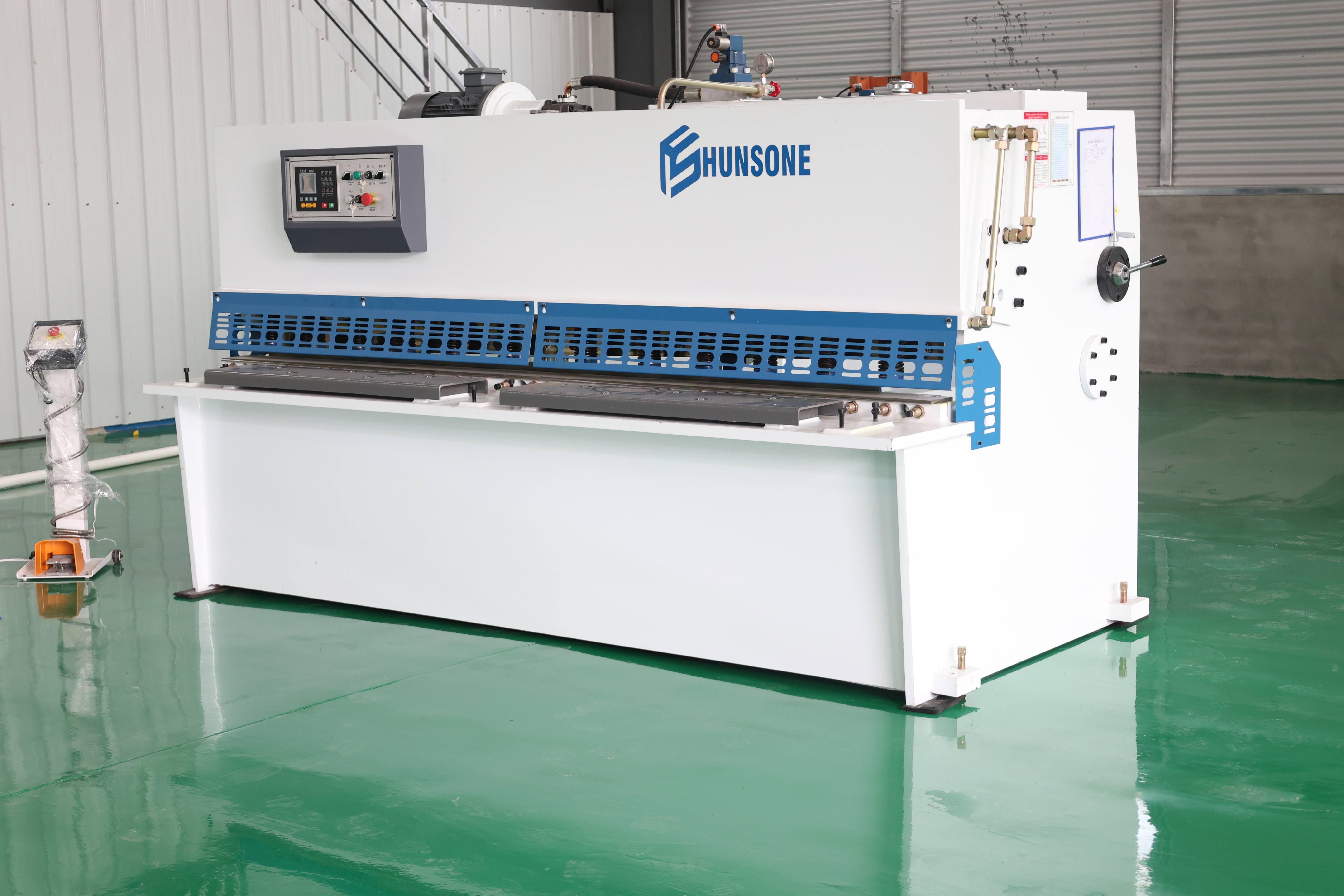
When a product shines in a demo, it’s tempting to stop there. But the real story is in the seams, the weight of the materials, and the way parts meet. Pick it up. Press on a corner. Listen for creaks. A well-built item feels solid without being heavy, and its moving parts glide rather than grind.
Look closely at the finish. Cheap paint hides under bright lighting, but run your fingernail along an edge and you’ll feel overspray or rough burrs. Check the hardware: are screws recessed cleanly, or do they sit proud and catch on fabric? Small inconsistencies signal rushed assembly, and they’ll only become more obvious after a month of daily use.
Verify Response Times for Service and Repairs
Most teams can quote a target response window, but fewer can say how often they actually hit it. Go beyond the ticketing system's timestamps—look at call recordings, dispatch logs, and technician notes. A repair request marked 'responded' at 9:15 might have been a quick callback that solved nothing.
Pull a random sample of fifty service requests from the last quarter and measure the gap between first customer contact and the moment a qualified person began working the problem. Automated replies don't count. You want the median, not the average, because a few overnight delays will hide how ordinary cases drag.
If the median response lands past your promised window, dig into the reasons before adding headcount. Often the bottleneck isn't technician availability but triage: requests sit in a general queue while someone decides who should handle them. Rerouting based on equipment type or contract tier can cut hours off the wait without hiring anyone.
Check Whether Spare Parts Sit in Local Inventory
Before you commit to a repair timeline, take a hard look at what is actually sitting on local shelves. This means matching the part number against bin locations in your own warehouse or nearby distribution points, not just relying on a system flag that says “available.” Physical counts often drift from digital records, so a quick walk to the shelf or a photo from a floor supervisor can save hours of chasing a phantom stock entry.
Once the local inventory is confirmed, check the shelf life and condition. A spare part that has been stored for two years may have degraded seals or outdated firmware, which makes it less useful than a fresh unit arriving next week. Also consider whether the item is allocated to another work order or reserved for a key client. Local stock that is already committed is not really available, no matter what the total count says.
Finally, weigh the cost of using local inventory against the cost of waiting for a direct shipment. If the part is cheap and the shelf is full, pulling it now avoids downtime. But if the local unit is the last one and a critical machine depends on that same spare, you may be better off expediting an external order while keeping the local safety stock untouched.
Estimate the Real Cost Over the First Three Years
When you look at a price tag, you are not seeing the full picture. The real cost over the first three years includes maintenance, repairs, insurance, energy consumption, and even the depreciation that quietly eats away at your investment. Most people focus on the upfront payment and forget that a seemingly cheap option can turn expensive once you factor in the ongoing expenses. To get an honest estimate, start by listing every recurring cost you expect over 36 months, then add the likely repair bills and the resale value after three years. Only then can you compare different choices on equal ground.
A practical way to do this is to create a simple spreadsheet with columns for each month or quarter. Enter the fixed costs first, such as insurance premiums, registration fees, and routine service. Then add variable costs like fuel or electricity, parts replacement, and unexpected breakdowns. Many owners underestimate how often small repairs happen, especially after the first year when the warranty may expire. By tracking these numbers in advance, you force yourself to think beyond the showroom excitement and see the hidden drain on your budget.
Finally, ask current owners or check community forums for real-world figures. Manufacturer estimates are often optimistic, but people who have already paid those bills will tell you the truth about what breaks, how much it costs, and whether the resale value holds up. The goal is not to scare yourself away from a purchase, but to walk in with your eyes open. If you know the true three-year cost, you can negotiate better, set aside a realistic maintenance fund, and avoid the regret of discovering the real expenses too late.
Learn from Workshops That Run the Same Model Daily
There's a quiet power in showing up to the same model day after day. At first, the repetition feels mechanical—almost like you're just going through the motions. But somewhere around the third or fourth run, something shifts. You stop seeing the model as a set of steps and start noticing the tiny variations: how a small tweak in one parameter nudges the outcome, or where people consistently stumble when they try to explain a result. That kind of familiarity doesn't come from a one-off demo. It comes from letting the routine wear a groove in your understanding.
Workshops that run the same model daily also change how the group talks to each other. Instead of rushing through slides, participants begin to ask sharper questions—not about what the model does, but about why it behaves a certain way under pressure. The facilitator stops being the only expert in the room because everyone has enough shared history with the model to offer a useful observation. Conversations drift toward edge cases, failure modes, and the assumptions nobody thought to challenge on day one. Over time, the model becomes a common language, and the workshop becomes less about instruction and more about collective debugging.
If you're designing a learning experience, consider making repetition the backbone rather than an afterthought. Build in small variations each day—a different dataset, a tighter time limit, a forced break in the pipeline—so the sameness never turns stale. Track what changes in people's confidence, not just their accuracy. The real lesson of running the same model daily isn't that practice makes perfect. It's that practice makes patterns visible, and visible patterns are the first step toward real mastery.
FAQ
A good vendor will ask about your materials, thickness range, and daily batch sizes before discussing price. Check if they have handled workshops similar to yours and can connect you with existing customers. Notice whether they bring up operator training, safety guards, and your floor space without being prompted. If the first conversation is all about tonnage and discounts, treat that as a warning sign.
Look at how long they have been in business and whether they stock spare parts locally. Ask for the average response time for service calls and the location of their nearest technician. Request contact details for at least three customers who have used the machine for over five years. Also check if they run regular training for their own service staff instead of relying on freelance repairmen.
Direct buying can give you more customization and a lower price, but support may depend on remote coordination. A local dealer usually responds faster and knows local electrical standards, yet may add a markup. The middle ground is to choose a manufacturer with a local service point or to write clear factory-support clauses into the dealer contract.
Find out how many cuts the blades are rated for on your typical material and thickness, how often they need regrinding, and what a replacement set costs. Ask for a maintenance manual and a hands-on demo of blade gap adjustment. Clarify the lead time for consumables so a small part doesn't shut down your workshop for weeks.
See if they ask to visit your shop or at least request photos and layout drawings. A genuine partner will ask about material handling, loading and unloading methods, and how the new machine connects to your existing equipment. If they only quote tonnage and price without mentioning your process, you are dealing with a salesperson, not a partner.
Be wary if they cannot provide recent customer references, give vague quotes, avoid discussing after-sales support, or push you to sign quickly. Inconsistent technical answers and a refusal to share spare part price lists are also bad signs. Run if they say a standard model will fit without ever seeing your material samples or workshop layout.
Yes, ask about installment plans, leasing, or trade-in options for your old machine. Some manufacturers partner with financing companies to lower the upfront cost. But calculate the total interest, maintenance responsibilities, and end-of-term buyout terms. Don't let a friendly payment plan hide a machine that is overpriced or poorly supported.
Break each quote into line items: machine body, blades, installation, training, warranty, freight, taxes, and spare parts kit. Make sure all vendors quote on the same technical specs and configuration. Ask which items are optional and which are required. If one price is much lower, confirm whether they cut corners on safety features or after-sales coverage.
Conclusion
Choosing a shearing machine vendor is less about glossy brochures and more about whether the equipment will handle the exact materials and volumes your workshop sees every week. Start by matching the machine’s capacity, throat depth, and stroke rate to your actual cutting list—not a hypothetical maximum. Then go beyond the demo: examine the frame welds, the blade gap adjustment mechanism, and the quality of the hydraulic or mechanical drive components. A machine that looks smooth in a short video can reveal alignment issues or flimsy guards under daily use. Equally important is how quickly the vendor responds when something goes wrong. Ask for realistic service call windows and test their parts availability by requesting the delivery time for common wear items like blades, hold-downs, and seals. If those parts are not sitting in local inventory, every breakdown turns into a costly waiting game.
The smartest buyers also calculate the total cost of ownership over the first three years, factoring in energy consumption, blade replacement intervals, and the price of preventive maintenance contracts—not just the sticker price. Talk to workshops that run the same model day after day; they will tell you about hidden quirks, such as frequent blade changes on high-tensile steel or oil temperature buildup during long runs. Their feedback reveals whether the vendor stands behind the machine after installation or disappears once the invoice clears. A dependable partner will welcome these reference checks, provide local service technicians, and keep critical spares on hand. In the end, the right vendor is the one who understands your weekly workload, supports the machine through its entire life, and helps you avoid downtime that quietly erodes your bottom line.
Contact Us
Contact Person: James Chen
Email: [email protected]
Tel/WhatsApp: 86 13770803946
Website: https://www.hunsone.com/