
Silicon Steel Wholesale: Your Ultimate Guide for Quality Materials
2026-01-19
Welcome to the world of silicon steel – a material that powers modern industry, from transformers to electric motors. In today's fast-paced market, finding reliable sources for high-quality silicon steel can be challenging. That's where Jiangsu Baowu New Materials steps in, offering exceptional materials that meet stringent standards. This guide will explore everything you need to know about silicon steel wholesale, including key applications, quality benchmarks, and tips for selecting the right supplier. Whether you're an engineer, buyer, or industry enthusiast, you'll discover insights to make informed decisions and stay ahead in the competitive landscape. Let's dive into the essentials of sourcing top-tier silicon steel and why it matters for your projects.
Understanding Silicon Steel: Key Properties and Industrial Applications
Silicon steel, often referred to as electrical steel, stands out in the realm of materials engineering due to its unique magnetic properties that set it apart from conventional steels. By incorporating silicon into the alloy—typically ranging from 1% to 4.5%—manufacturers enhance its electrical resistivity, which significantly reduces eddy current losses when exposed to alternating magnetic fields. This key attribute makes it indispensable in applications where energy efficiency is paramount, such as in power transformers and electric motors.
Beyond its magnetic characteristics, silicon steel exhibits other critical properties that influence its industrial use. It boasts high magnetic permeability, allowing it to easily magnetize and demagnetize, which is crucial for devices requiring rapid switching, like inductors and relays. Additionally, the material's low hysteresis loss ensures minimal energy dissipation during cyclic magnetization, leading to cooler and more reliable operation. These traits are not just theoretical advantages; they translate directly into tangible benefits like reduced operational costs and extended equipment lifespan in sectors from automotive to renewable energy.
In practical terms, the industrial applications of silicon steel are vast and varied, stretching across multiple sectors that rely on efficient electromagnetic performance. For instance, in the automotive industry, it's a cornerstone in the production of electric vehicle motors, where its efficiency helps extend battery range. Meanwhile, in power generation, silicon steel cores in transformers enable the reliable transmission of electricity over long distances with minimal losses. This versatility underscores why it remains a preferred choice, driving innovations in everything from household appliances to large-scale industrial machinery.
Sourcing High-Quality Silicon Steel: Factors to Consider for Reliable Materials
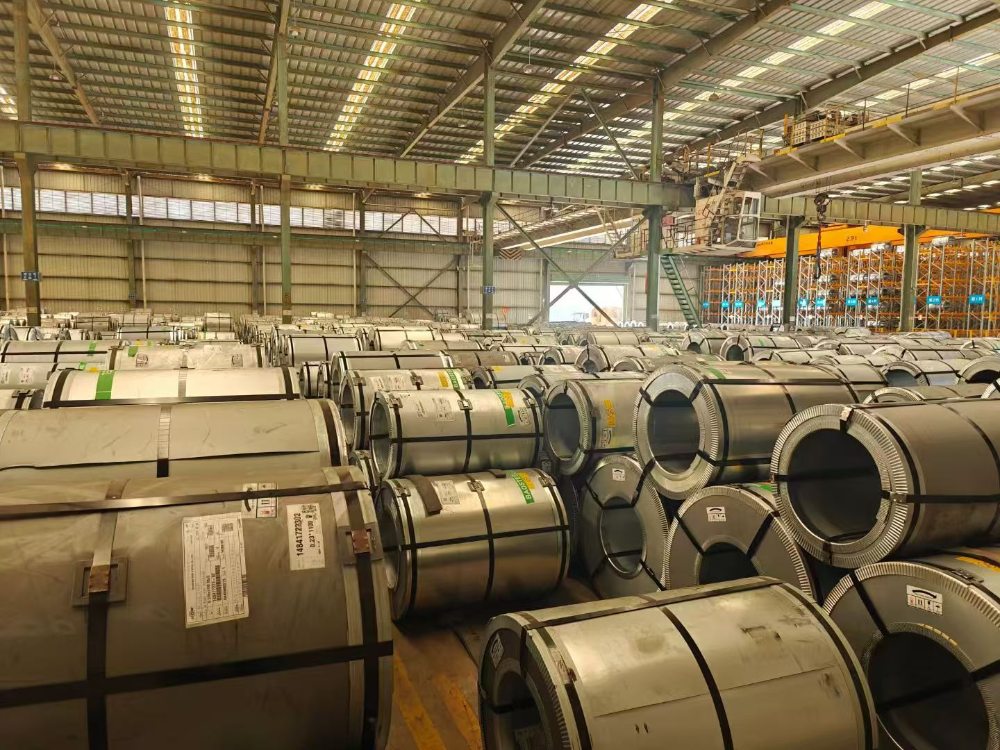
When it comes to sourcing high-quality silicon steel, one of the first things to keep in mind is its unique magnetic properties, which are crucial for applications like transformers and electric motors. It's not just about finding any supplier; you need to look at the specific grade and purity levels, as these directly impact energy efficiency and performance. Many buyers focus solely on cost, but cutting corners here can lead to increased losses and operational downtime down the line. Instead, prioritize suppliers who provide detailed material certificates and have a proven track record in the industry, ensuring you get a product that meets exact technical specifications without compromise.
Another key factor is the manufacturing process and quality control measures employed by the producer. Unlike standard steels, silicon steel requires precise annealing and coating techniques to minimize core loss and enhance durability. Don't just take a vendor's word for it—request samples and conduct independent tests to verify consistency across batches. Also, consider the logistics and supply chain reliability; a dependable partner should offer transparent lead times and robust support, helping you avoid disruptions that could affect your production schedule or project timelines.
Finally, think about the long-term relationship and sustainability aspects. High-quality silicon steel isn't a one-off purchase; it often involves ongoing collaboration for customized solutions or future upgrades. Engage with suppliers who are proactive in providing technical assistance and staying updated with industry advancements, such as new alloys or eco-friendly production methods. By balancing these factors—from material specs to supplier reliability—you can secure a steady supply of top-tier silicon steel that supports both current needs and future innovations, making your investments more resilient and effective in the long run.
Comparing Silicon Steel Grades: How to Choose the Right Type for Your Projects
Choosing the right silicon steel grade can make or break your project's efficiency. This material isn't a one-size-fits-all solution. Different grades, like M-19 or M-15, have unique magnetic properties and core loss ratings. For instance, M-19 offers lower core losses, making it ideal for high-frequency applications where energy conservation is critical.
Understanding the specific requirements of your project helps narrow down the options. Consider factors such as operating frequency, temperature, and mechanical stress. A project demanding minimal energy waste might benefit from a higher-grade silicon steel with superior permeability. Conversely, a cost-sensitive application could opt for a standard grade that still meets performance benchmarks without overspending.
Beyond technical specs, practical considerations like availability and supplier reliability play a role. Partnering with a trusted manufacturer ensures consistent quality, reducing risks of defects. By assessing both the material's characteristics and your project's needs, you can select a silicon steel grade that boosts efficiency and supports long-term success.
Cost-Effective Purchasing Strategies: Tips for Negotiating and Bulk Orders
Securing the best deals on purchases often hinges on mastering negotiation tactics and leveraging bulk ordering. Start by conducting thorough research on market prices and supplier backgrounds before entering any discussions. This groundwork allows you to set realistic targets and identify areas where suppliers might be flexible, such as payment terms or delivery schedules. During negotiations, aim for a collaborative rather than confrontational approach—focus on building long-term relationships that benefit both parties. For instance, you could propose larger orders in exchange for discounts or faster shipping, which can reduce costs without compromising quality.
Bulk orders are a powerful tool for cutting expenses, but they require careful planning to avoid pitfalls like overstocking or wastage. Evaluate your inventory needs and storage capacity regularly to determine optimal order sizes. Consider joining forces with other businesses to pool orders and access wholesale rates that might otherwise be out of reach. Additionally, timing your purchases to align with seasonal sales or supplier promotions can yield significant savings. Don't overlook the potential of standardized products; sometimes, slight adjustments to specifications can lead to better pricing without affecting functionality.
To make these strategies truly effective, integrate them into a cohesive purchasing policy. Document successful negotiations and bulk order outcomes to refine future approaches, and train your team on key skills like communication and analysis. Remember, cost-effectiveness isn't just about the lowest price—it's about balancing quality, reliability, and value over time. By staying adaptable and proactive, you can turn purchasing into a strategic advantage that supports overall business growth and resilience.
Ensuring Material Integrity: Quality Assurance and Certification Processes
In industries ranging from construction to aerospace, maintaining the integrity of materials is paramount to safety and performance. Quality assurance processes begin at the very start of material sourcing, where rigorous testing verifies that raw substances meet strict specifications before they even reach production lines. This proactive approach not only minimizes the risk of defects but also ensures that every batch of material performs consistently under expected conditions, reducing costly delays and enhancing overall project reliability.
Certification processes play a crucial role in this framework, providing third-party validation that materials adhere to established standards and regulations. Organizations like ISO and ASTM develop comprehensive guidelines that cover everything from tensile strength to chemical composition, and obtaining these certifications often involves detailed audits and recurrent testing. This external scrutiny adds an extra layer of confidence for stakeholders, assuring them that the materials in use have been independently verified to withstand real-world stresses and environmental factors.
Beyond mere compliance, a robust quality assurance and certification strategy can differentiate a company in competitive markets. By investing in advanced technologies like non-destructive testing and real-time monitoring systems, businesses can detect potential issues early and adapt their processes dynamically. This continuous improvement mindset not only safeguards material integrity but also fosters innovation, enabling the development of new, high-performance materials that set new industry benchmarks and drive long-term sustainability.
Future Trends in Silicon Steel Usage: Innovations and Sustainability Considerations
Silicon steel, a staple in electrical applications, is poised for significant evolution driven by technological advancements and environmental imperatives. Innovations are increasingly focusing on enhancing material properties, such as reducing core losses through novel alloying techniques and nanostructuring, which boost efficiency in transformers and motors. For instance, recent research explores ultra-thin silicon steel laminations and advanced coatings that minimize eddy currents, making energy systems more responsive to fluctuating renewable inputs. This trend not only cuts operational costs but also supports global energy transition goals by improving grid stability and reducing carbon footprints.
Sustainability considerations are reshaping silicon steel usage, pushing manufacturers toward eco-friendly production and circular economy models. Companies are investing in greener processes, like using recycled scrap materials and reducing energy-intensive annealing steps, to lower greenhouse gas emissions. Additionally, life-cycle assessments are becoming standard to quantify environmental impacts, encouraging designs that prioritize durability and recyclability. As regulations tighten and consumer demand for green technologies rises, the industry is likely to see a shift toward silicon steel grades that balance high performance with minimal ecological harm, fostering partnerships across supply chains to achieve these dual objectives.
Looking ahead, the convergence of digitalization and material science could unlock new applications for silicon steel, such as in electric vehicle drivetrains and smart grid components, where precision and efficiency are paramount. By integrating sensors and IoT capabilities, silicon steel products may become part of real-time monitoring systems, optimizing energy usage and predicting maintenance needs. This forward-thinking approach, coupled with a strong emphasis on sustainability, positions silicon steel not just as a traditional material but as a key enabler for a cleaner, more innovative future in power and transportation sectors.
FAQ
Silicon steel is primarily used in electrical applications like transformers, motors, and generators because it reduces energy loss and improves efficiency in magnetic fields, making it a hot commodity in wholesale for industries that rely on heavy-duty electrical equipment.
Look for suppliers that provide material certifications, such as ASTM or IEC standards, and check for low core loss and high permeability ratings. It's also wise to request samples and verify the steel's silicon content, typically between 1% to 4.5%, for optimal performance.
Yes, common grades include non-oriented (NO) and grain-oriented (GO) silicon steel. NO grades are used in motors and general applications, while GO grades are for transformers due to their directional magnetic properties. Choose based on your specific application needs and budget, as GO tends to be more expensive.
Beyond just price per ton, consider factors like minimum order quantities, delivery times, and additional services like cutting or coating. Also, factor in long-term costs—cheaper steel might have higher energy losses, leading to increased operational expenses over time.
Absolutely. Many wholesalers offer customization options like slitting to precise widths, applying insulation coatings (e.g., C-5 or organic coatings), and punching shapes for specific parts. Just be sure to discuss these needs upfront to avoid extra charges or delays.
Challenges include fluctuating material costs due to global demand and supply chain issues. To mitigate, build relationships with reliable suppliers, consider bulk purchasing during stable periods, and always have backup suppliers to handle unexpected shortages.
Lead times vary from a few weeks to several months, depending on order size, customization, and supplier stock. Factors like raw material availability, production schedules, and shipping logistics can cause delays, so plan ahead and confirm timelines with your supplier early on.
Silicon steel is recyclable and often made with eco-friendly practices. Look for suppliers that emphasize sustainable sourcing, energy-efficient production, and compliance with regulations like RoHS. This can help reduce your carbon footprint and meet corporate sustainability goals.
Conclusion
Diving into the world of silicon steel wholesale is essential for industries relying on high-performance materials. Understanding silicon steel's key properties, such as its magnetic permeability and low core loss, is crucial for selecting the right grade for industrial applications ranging from transformers to electric motors. By comparing various grades, businesses can align material characteristics with specific project needs. For instance, choosing between oriented and non-oriented grades affects efficiency and cost. Effective sourcing involves evaluating suppliers based on certifications and quality assurance processes to ensure material integrity, avoiding downtime in critical operations. This comprehensive approach transforms purchasing from a mere transaction into a strategic decision that enhances long-term operational success.
Cost-effective strategies in silicon steel procurement emphasize negotiating bulk orders while maintaining quality standards, balancing upfront expenses with long-term reliability. Future trends, like advancements in manufacturing for sustainability, including recyclability and energy-efficient production, highlight the evolving landscape of silicon steel usage. Staying informed about innovations allows businesses to anticipate changes and adapt their sourcing plans, securing a competitive edge. Ultimately, mastering silicon steel wholesale means not just acquiring materials but fostering partnerships that deliver reliable, high-quality solutions tailored to industrial demands, ensuring projects achieve optimal performance and durability in a dynamic global market.
Contact Us
Contact Person: Zoe Liang
Email: [email protected]
Tel/WhatsApp: 86 189 2128 6299
Website: https://www.baowuchina.com