
Squeeze Tube Makers Redefine Convenient Packaging for Cosmetics and Food
2026-08-01
Imagine a world where your favorite cosmetics and gourmet foods stay fresh longer and are easier to dispense than ever. This isn't a distant future—it's happening now, thanks to innovative squeeze tube designs. Leading the charge is Sanrong Packaging, whose cutting-edge solutions are transforming convenience in both the beauty and food industries. Curious about what makes these tubes a game-changer? Let’s dive in.
The Squeeze Tube's Quiet Revolution
Look around your bathroom or kitchen counter, and you'll spot them instantly: those unassuming squeezable tubes holding everything from toothpaste to tomato paste. For decades, their design seemed frozen in time—a simple cylinder with a screw cap, prone to messy ruptures and frustrating product waste. But behind the scenes, a quiet revolution has been unfolding, reshaping this humble container into a marvel of user-centric engineering. It’s not about flashy reinvention; it’s about subtle tweaks that make daily rituals smoother, cleaner, and far less wasteful.
One of the most impactful shifts has been the move toward precision dispensing. Gone are the days of wrestling with cracked tubes or accidentally unleashing a giant blob. The advent of silicone valves, needle-nose applicators, and airless pump mechanisms has given users exact control, whether they’re applying a drop of eye cream or a ribbon of barbecue sauce. These innovations also prevent product from drying out or oxidizing, extending shelf life without the need for bulky pumps or jars. It’s a design language that whispers rather than shouts—small, intelligent details that fundamentally change how we interact with everyday contents.
Behind the scenes, material science has been just as transformative. Traditional laminated tubes, a nightmare for recycling facilities, are gradually being replaced by mono-material structures—often high-barrier polyethylene or even responsibly sourced aluminum—that can actually enter the recycling stream. Some brands now offer refillable aluminum shells paired with slim inner pouches, dramatically cutting down on single-use plastics. The quiet revolution isn’t simply about aesthetics or convenience; it’s a slow, steady rethinking of what a squeeze tube can be, balancing functionality with environmental responsibility in ways that feel both intuitive and inevitable.
Beyond Basic Tubes: Where Design Meets Function
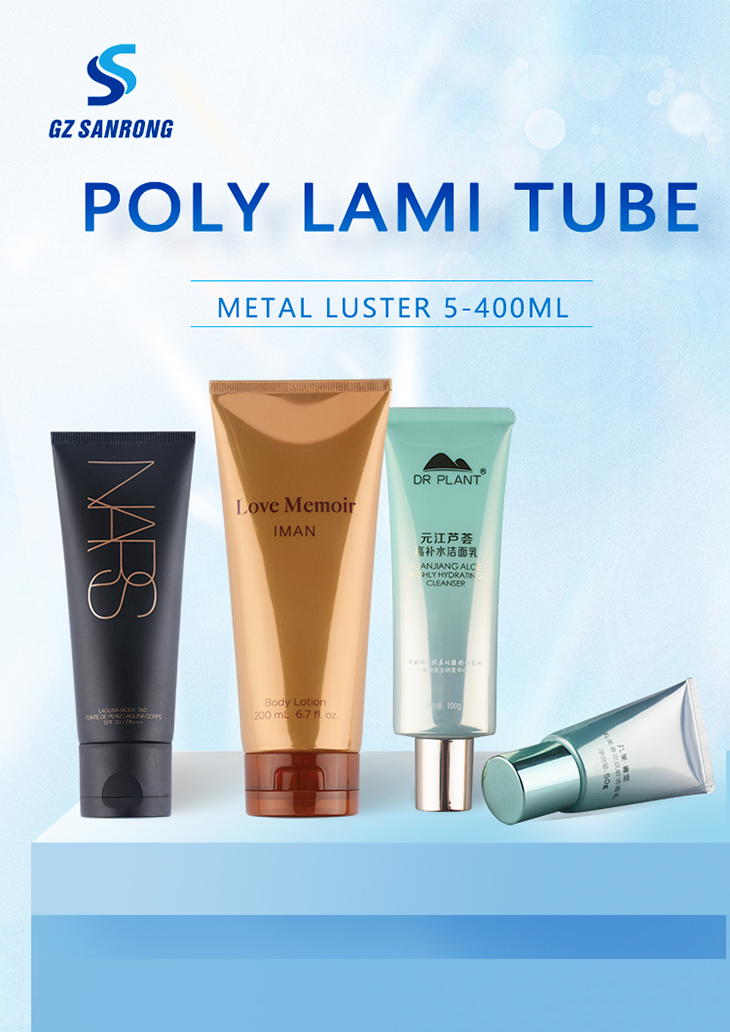
Tubes have long been the unsung heroes of engineering—utilitarian, industrial, and often ignored. But step beyond the standard offering and you’ll find a world where material choice, structural precision, and aesthetic vision intertwine. Modern applications demand more than just containment or flow; they require a seamless blend of performance and elegance. Whether it’s a sweeping architectural staircase railing that needs flawless curves or a medical device where sterility and surface finish are paramount, the true potential of a tube lies in its design execution. The shift is from seeing tubes as mere components to experiencing them as intentional details that elevate a project’s entire identity.
This philosophy materializes in the meticulous process behind custom tube fabrication. Advanced bending techniques—mandrel, rotary draw, or roll bending—allow for complex geometries without compromising structural integrity. Surface treatments like brushing, anodizing, or passivation not only protect against corrosion but also introduce a tactile and visual dimension. Suddenly, a stainless-steel tube isn’t just a conduit; it’s a textured handrail that catches the light, or a frame edge that adds a crisp, modern line to furniture. The dialogue between engineer and designer becomes critical here, balancing tolerance specifications with artistic intent. Each bend radius, wall thickness, and finish is a deliberate choice, transforming a basic form into a functional work of art.
The result is a product category that defies its own legacy. No longer confined to hidden infrastructure, these tubes emerge as focal points in architecture, custom automotive builds, and high-end consumer goods. They carry not just fluids or wires, but also the promise of precision craftsmanship. For anyone seeking to break free from off-the-shelf constraints, the message is clear: the right tube, shaped with imagination and skill, can harmonize strength and beauty in ways that standard options simply cannot match. It’s an invitation to see the cylindrical form anew—not as a limitation, but as a canvas for innovation where every curve tells a story of purpose-driven design.
How New Materials Are Changing the Game for Sensitive Products
Advanced polymers and bio-based films are rewriting the rules for packaging that demands more than just containment. These materials actively respond to temperature shifts, block UV light without chemical additives, and even neutralize oxygen inside the package, extending shelf life in ways that were once only theoretical. The result is a quiet revolution where the packaging itself becomes part of the preservation system, not just a passive wrapper.
Designers are now embedding phase-change substances into container walls, letting them absorb excess heat without external energy sources. This means vaccines, lab samples, or artisanal foods can travel through unpredictable climates without relying on bulky cold-chain infrastructure. Meanwhile, graphene-enhanced composites provide antimicrobial surfaces that stay active for months, reducing the need for preservatives while maintaining product integrity.
The real shift is in material agility: coatings that switch from breathable to impermeable when humidity spikes, or seals that change color at the first sign of tampering. These aren't futuristic concepts—they're already protecting limited-edition cosmetics and enzyme-based therapies. By fusing sensing and protection into a single layer, these innovations are turning fragile shipments into self-regulating systems.
From Messy to Mess-Free: The User Experience Overhaul
Before the overhaul, navigating the platform felt like rummaging through a cluttered desk. Features were piled on top of each other without clear hierarchy, and important tools were buried beneath layers of menus. The visual noise didn’t just look outdated; it actively got in the way of getting things done. Users often described the experience as draining, spending more energy hunting for options than actually using them.
The redesign started with a hard look at what users truly needed—not what the feature checklist said. We stripped away everything that didn’t serve a clear purpose and rebuilt the interface around natural workflows. White space stopped being an afterthought and became a strategic tool to guide attention. The result wasn’t just a cleaner screen; it was a space where actions felt intuitive rather than memorized.
Now, the difference is felt the moment you log in. Common tasks that once required multiple clicks now flow from one step to the next without interruption. The calm, organized layout invites exploration instead of overwhelming the senses. It’s a shift that doesn’t scream for attention but quietly makes every interaction feel a little more human.
Custom Shapes and Sizes: The New Frontier in Branding
Think about the last time a package made you stop mid-scroll. Chances are, it wasn’t the standard rectangle that caught your eye—it was something unexpected. An angular box that felt almost sculptural, a pouch with a silhouette you’d never seen before, or a bottle that seemed to defy gravity. These aren’t just containers; they’re conversation starters. When a brand ditches the conventional mold, it signals confidence and a willingness to be remembered. It’s a quiet declaration that what’s inside is worth a second look, and that ethos stays with the customer long after the unboxing.
But moving beyond standard dimensions isn’t just about aesthetics—it’s a strategic tool that can reshape how people experience a product. A precisely contoured handle on a luxury box makes lifting it feel intentional. A slim, pocket-sized tin transforms a daily supplement into a modern ritual rather than a chore. These tactile moments create memory hooks. Suddenly, the brand isn’t just a name on a shelf; it’s a physical presence that fits into someone’s life in a personal, almost curated way.
Of course, there’s a practical side that can’t be ignored. Custom dies, specialized materials, and non-uniform shipping profiles might raise initial eyebrows, but the payoff often outweighs the complexity. Brands willing to embrace irregular silhouettes often find that their products command more attention in crowded retail spaces, both physical and digital. And when that unique shape is paired with thoughtful design details—like embossing that follows a curve or a closure that clicks in a satisfying way—it becomes harder for competitors to replicate. In a market flooded with sameness, a deliberate departure from straight lines and standard sizes doesn’t just stand out; it sets a new expectation for what a brand can be.
Sustainability Gets Squeezed In
Corporate sustainability teams are finding themselves pulled in more directions than ever, their budgets pinned just as ambitions soar. New regulations demand meticulous reporting, while supply chain disruptions force constant pivots that make long-term goals feel like a luxury.
The squeeze is reshaping how green initiatives get funded—often through scrappy, cross-departmental bartering rather than dedicated pools. One energy manager described reallocating money originally meant for retrofitting offices to instead cover urgent carbon accounting software, a trade-off that nobody celebrates but everyone understands.
Yet this very pressure is sparking unexpected creativity. Teams are merging waste reduction with cost-cutting in ways that finally catch the CFO's attention, turning squeezed circumstances into a case for resilience that outlasts any single budget cycle.
FAQ
The demand for user-friendly, mess-free dispensing and the need for precise portion control are key factors. Consumers want packaging that fits their fast-paced lifestyles, and squeeze tubes deliver that with ease.
They're focusing on sustainable materials, like recyclable and bio-based plastics, and introducing features such as tear-off tips for clean opening, tamper-evident seals, and multi-layer barriers to protect sensitive formulas. Custom shapes and vibrant printing also help brands differentiate.
Squeeze tubes prevent contamination by minimizing exposure to air and fingers, extending the shelf life of active ingredients. They also allow for targeted application, which is ideal for products like serums, masks, and eye creams where hygiene and precision matter.
They provide excellent product protection against light and oxygen, preserving freshness. The design facilitates one-handed dispensing and precise dosing, reducing waste. Plus, the compact, lightweight nature lowers shipping costs and is convenient for on-the-go consumption.
Many makers are moving toward monomaterial tubes that are easier to recycle, incorporating post-consumer recycled content, and developing refillable systems. Some are even introducing paper-based and biodegradable tubes to reduce plastic footprint without sacrificing durability.
Absolutely. High-end printing techniques, soft-touch matte finishes, foil stamping, and unique cap designs can give tubes a premium feel for high-end creams or oils. Meanwhile, simpler, cost-effective designs work for daily items like toothpaste or condiments, showing the format's versatility across market segments.
Their flexibility allows users to easily extract even the last bit of product, reducing waste. The controlled airflow and precision tip minimize mess, and the portable nature makes them ideal for travel. Users appreciate not having to dip fingers into a pot or deal with leaky bottles.
The tube's shape provides a 360-degree canvas for artwork and messaging. Brands use this space to communicate sustainability commitments, share usage instructions, or create emotional appeal through colors and typography. A well-designed tube can turn a mundane product into a memorable brand touchpoint.
Conclusion
The squeeze tube has undergone a quiet yet profound transformation, emerging as a cornerstone of modern packaging for both cosmetics and food. Moving beyond simple cylindrical containers, manufacturers have melded design and function to create user-friendly solutions that eliminate common frustrations. No more struggling with messy caps or wasted product—today’s tubes feature precision applicators, airless pumps, and soft-touch materials that make dispensing effortless and clean. This user-experience overhaul extends to every detail, from one-handed operation to transparent windows that show remaining levels, ensuring that the packaging enhances the product rather than hinders it. The rise of such thoughtful design has made tubes indispensable for everything from facial serums to gourmet sauces, where convenience and hygiene are paramount.
Meanwhile, breakthroughs in materials are redefining what tubes can protect and how they interact with sensitive formulations. Multi-layer barriers shield delicate ingredients from oxygen and UV light, extending shelf life without preservatives—a crucial advantage for natural cosmetics and organic foods. Customization has become a key differentiator, with brands embracing distinctive shapes, vibrant prints, and unusual sizes to tell their story at a glance. A striking, ergonomically sculpted tube can elevate a product into a lifestyle statement. Sustainability has also become a driving force, as the industry shifts toward mono-material tubes that are fully recyclable, post-consumer recycled content, and even compostable options. These efforts squeeze environmental responsibility into every tube, aligning with consumer demand for eco-friendly packaging without compromising on performance or aesthetics.
Contact Us
Contact Person: Alex Wu
Email: [email protected]
Tel/WhatsApp: 86-20-37965868
Website: https://www.gzsanrong.com/en.html