
Top Cylinder Head: Key Functions and Common Issues Explained
2026-06-27
Ever wondered why your engine runs smoothly or suddenly misfires? The top cylinder head plays a pivotal role in combustion, compression, and heat dissipation. From cracked seals to overheating failures, even minor faults can cripple performance. In this guide, we break down how it works and the most common issues you should watch for. Trust DDR to deliver durable, precision-engineered solutions that keep your engine at its peak.
Inside the Cylinder Head: What It Actually Does
The cylinder head sits atop the engine block, sealing the combustion chambers and housing the valves that orchestrate the intake of fresh air and the expulsion of exhaust gases. Its underside is sculpted with precisely machined ports that route air and fuel into the cylinders, while channels for coolant and oil snake through the casting to whisk away heat. This component essentially dictates the rhythm of engine breathing, turning a controlled explosion into usable mechanical force with every spin of the camshaft.
Beyond its role in gas exchange, the cylinder head is a structural centerpiece that endures immense pressure and temperature swings. The material choice—usually aluminum or iron—affects heat dissipation and weight, directly influencing combustion efficiency. Every valve seat and guide is pressed into place with obsessive accuracy, because even a fraction of a millimeter off can disrupt the delicate dance between the piston and the spark plug. It’s the brain that coordinates the rapid-fire opening and closing of valves, making sure each cylinder fires in perfect harmony.
What often goes unnoticed is how the shape of the ports and combustion chamber can transform an engine’s personality. A subtle reshaping of the intake runner can boost low-end torque or high-end power, depending on the velocity profile the designer chases. This is where engineering elegance meets brute force—a cast piece of metal that must simultaneously be lightweight, airtight, and tough enough to survive millions of detonations without complaint.
How Cylinder Heads Shape Engine Performance
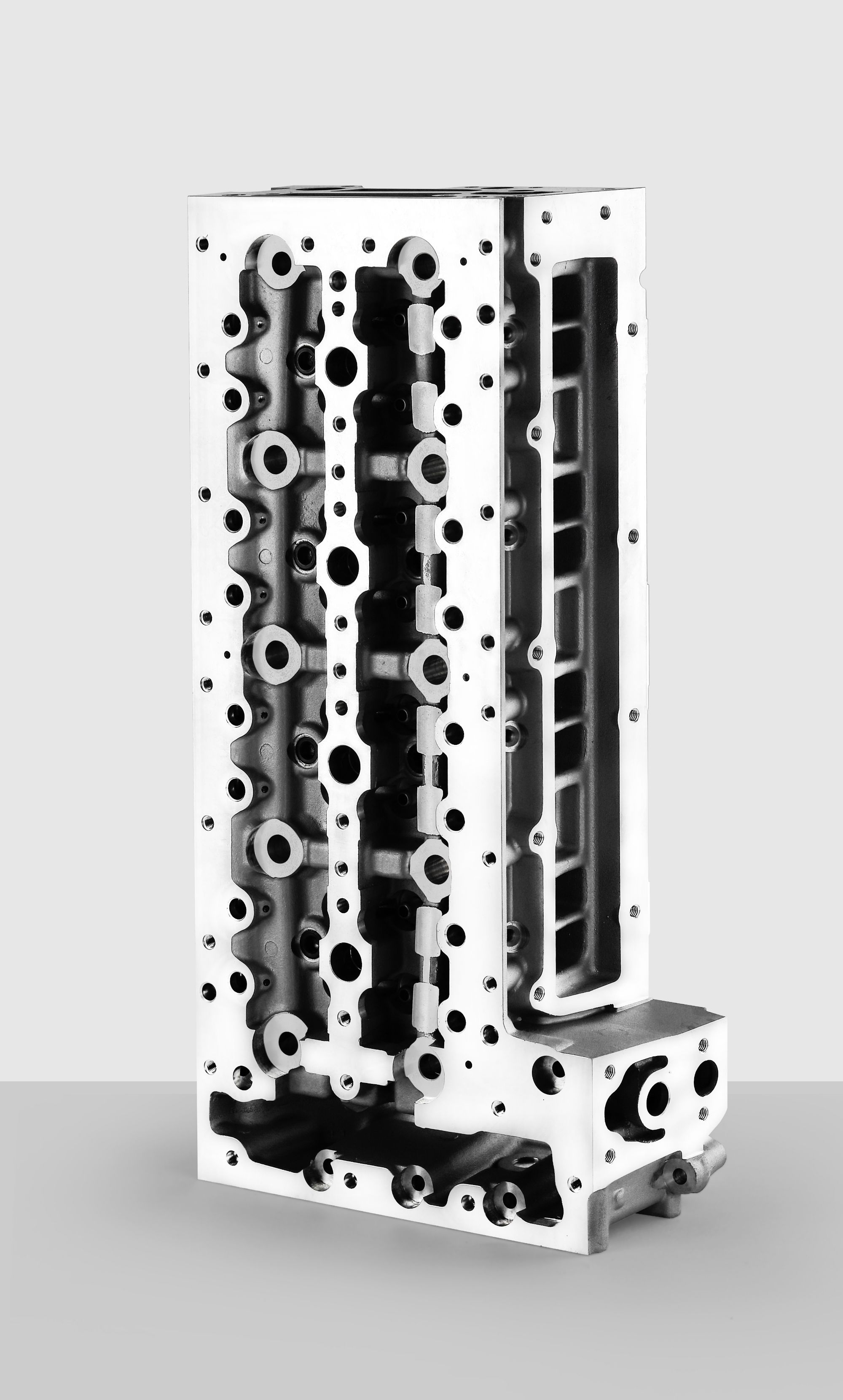
The cylinder head sits right where the action happens, capping off the combustion chamber and directing the all-important dance of air, fuel, and exhaust. Its internal passageways—the intake and exhaust ports—are not just simple tubes; their shape, width, and surface finish determine how easily gases flow at every engine speed. A port that’s too small chokes the engine at high rpm, while an oversized one kills low-end torque by slowing down the air charge. Getting this balance right is a constant challenge for engineers, and it’s why two engines with the same displacement can feel completely different behind the wheel.
Beyond just moving air, the cylinder head shapes the mixture’s behavior. The angle of the valves, the contours around them, and even subtle ridges near the seat create swirl and tumble—often invisible but critical for efficient combustion. A straight, high-velocity port might boost peak horsepower figures that look great on a spec sheet, yet make the engine bog down in daily traffic. Conversely, a head designed to promote strong cylinder filling at moderate revolutions will feel lively and responsive without needing to rev to the moon. It’s this interplay between outright flow and usable character that often separates a satisfying engine from a finicky one.
Thermal management adds another layer of complexity. The combustion chamber’s roof and the spark plug location influence how the flame front travels, while cooling passages cast inside the head pull heat away from hot spots to stave off detonation. Modern designs carefully shape the chamber to allow higher compression without risking knock, extracting more energy from each drop of fuel. And while aluminum’s light weight and heat-shedding ability have made it nearly universal, even the alloy’s composition and heat treatment alter how the head handles stress over time. All these decisions are baked into a single casting, yet they echo through every aspect of how the engine breathes, burns, and performs.
When Sealing Fails: Gasket and Warping Troubles
Gaskets often get the blame when a seal gives way, but the real culprit may be the flatness of the mating surfaces. Even a premium gasket can't compensate for a flange that has warped just a few thousandths of an inch under thermal cycling. In engines and pressure vessels, this subtle distortion creates uneven clamping force, opening leakage paths that grow worse with every heat-up and cool-down cycle. Mechanics who chase leaks by endlessly retorquing bolts or slathering on sealant are treating the symptom—warping is the disease, and it demands a straightedge and feeler gauge more than a wrench.
The interplay between gasket material and surface irregularity is rarely considered until failure has happened twice. Composite gaskets can handle some imperfection, but they relax over time, and that loss of bolt load invites blowout. In contrast, metal or spiral-wound types offer resilience but demand near-perfect surface finishes—scratches or pitting become fast tracks for media escape. The field fix of doubling up gaskets is a gamble that often backfires, because stack thickness shifts the bolt's elastic response, reducing effective clamp force exactly where it's needed most. Knowing the system's operating temperature range and the flange's thermal expansion rate is what separates a lasting repair from a recurring nightmare.
Sometimes the failure isn't in the gasket or the warp itself, but in the assembly procedure. Uneven torque sequencing, skipping the crisscross pattern, or reusing stretched bolts can mimic warping symptoms. A careful installer will check for raised burrs around bolt holes and measure flange alignment after a few heat cycles—these small extra steps catch the drift before it becomes a visible leak. When a joint keeps failing despite new gaskets, it's time to look beyond the parts store shelf and question whether the bolted assembly was ever truly flat to begin with.
The Overheating Trap: Cracks and Their Causes
When materials face rapid temperature swings, the surface expands far faster than the interior. This mismatch creates intense internal stress that few structures can endure indefinitely. The result is a web of hairline fractures, often invisible at first but capable of spreading deep into the core over time.
What makes this truly dangerous is the feedback loop that follows. Once cracks appear, they trap moisture and accelerate chemical decay, while also weakening the material just enough to make the next thermal shock even more damaging. The cycle repeats until the damage becomes impossible to ignore.
Valve Train Wear: A Quiet Culprit of Power Loss
Valve train wear sneaks up on an engine. The cam lobes, lifters, rocker arms, and valve stems all degrade a tiny bit with every rotation, gradually scrubbing away the precise profiles that defined the engine's original performance. It's not a sudden failure—no loud knock or catastrophic snap—but a quiet drift in valve timing and lift that slowly starves the cylinders of air. Drivers often grow accustomed to the softening response, mistaking it for routine aging rather than a specific mechanical decline.
As the parts wear, the cylinder fill efficiency crumbles. A flattened cam lobe can't open the valve as far or for as long, restricting the incoming charge and trapping exhaust residuals. This incomplete breathing cycle directly cuts horsepower and torque, most noticeably in the upper rpm range where the engine once felt eager. The loss accumulates mile after mile, a silent siphon of power that's easily attributed to old age—but really, it's the valve train quietly resigning from its job.
Spotting Early Warning Signs Before the Breakdown
Relationships rarely shatter without notice. Often, the first subtle crack appears when conversations shift from sharing dreams to merely coordinating logistics. You might notice a gradual retreat from emotional intimacy—fewer spontaneous laughs, longer silences that feel heavy rather than comfortable. It's in the way they look at their phone instead of your eyes, or how conflicts get buried under a thin layer of politeness instead of being resolved. Pay attention to moments when you start editing your words, measuring their weight before speaking.
Physical distance can mirror emotional drift, but the more telling signals are found in changes of rhythm. A partner who used to reach out during the day now only responds out of obligation. Shared rituals—morning coffee, evening walks—become solo habits. You sense a wall going up, brick by brick, built from unspoken resentments and avoided topics. Sometimes, warning signs wear the mask of overwork or stress, but the real question is: do they still turn toward you for comfort, or away?
Trust your instincts when things feel off, but also look for concrete patterns. Cancelled plans, forgotten anniversaries, a new sharpness in their tone during disagreements—these are data points. A single incident might be a fluke; a shift in the baseline is a signal. The goal isn't to become hyper-vigilant, but to notice when the connection starts to feel like a struggle rather than a refuge. Early recognition often gives you the best chance to repair, or at least to understand what's slipping before it's gone.
FAQ
It sits on top of the engine block and seals the combustion chamber. It houses valves, spark plugs, and fuel injectors, and manages the flow of air and exhaust gases in and out of the cylinders.
Because it has to withstand extreme heat and pressure while maintaining a perfect seal. Any failure can lead to engine overheating, loss of compression, or coolant mixing with oil, which can cause serious damage.
Cast iron and aluminum are the most common. Cast iron is durable and handles heat well, but it's heavy. Aluminum is lighter and dissipates heat faster, improving performance, but it's more prone to warping under extreme conditions.
Watch for white smoke from the exhaust, coolant loss without visible leaks, overheating, milky oil, or rough idling. These often indicate that the head gasket has failed or the head itself is damaged.
The head gasket seals the gap between the head and block. When the head warps from overheating, it can cause the gasket to blow, allowing coolant and oil to mix, or compression to escape. Often, a blown gasket is a symptom of a deeper cylinder head issue.
It depends on the damage. Small cracks can sometimes be welded, and warped surfaces can be machined flat again. But extensive cracking or severe warping usually means a full replacement is the safer, more reliable option.
Regularly check and change coolant, keep the cooling system in good shape, avoid overheating the engine, and use the correct fuel and oil. These help reduce thermal stress on the head and gasket.
Performance heads often have larger valves, improved porting for better airflow, and are made from higher-grade aluminum alloys to handle increased power and heat. They are designed for maximum efficiency at high RPMs.
Conclusion
The cylinder head sits atop the engine block, forming the combustion chamber and housing the valves, spark plugs, and intricate passageways for air, fuel, and coolant. Its primary job is to seal the cylinders, ensuring compression while managing the violent heat and pressure of combustion. A well-designed head directly shapes an engine’s breathing efficiency—port shape, valve size, and the combustion chamber’s geometry determine how well air and fuel mix and burn, which in turn dictates horsepower, torque, and fuel economy. Manufacturers spend countless hours refining these details because even subtle changes can shift the power band or improve thermal efficiency.
Yet, for all its strength, the cylinder head is vulnerable. Repeated heat cycles can warp its mating surface, causing the head gasket to fail—a classic leak path that mixes oil and coolant or drops compression. Overheating pushes this further, creating cracks between valve seats or into coolant jackets, often beginning as micro-fissures that worsen until the engine loses coolant mysteriously or starts misfiring. Valve train components, too, wear quietly: valve seats erode, guides loosen, and springs fatigue, gradually bleeding power without a dramatic failure. Early signs like a persistent rough idle, unexplained coolant loss, or a misfire under load shouldn’t be ignored. A compression test or a coolant system pressure check can reveal trouble before you’re stranded. Ultimately, giving the cylinder head its due respect—through proper cooling system maintenance and prompt diagnosis—can save an engine from a catastrophic and expensive end.
Contact Us
Contact Person: Shelly
Email: [email protected]
Tel/WhatsApp: 8613967667688
Website: https://www.yongyu.com/