Top Laser Cutting Machine Suppliers: A Guide to the Leading Manufacturers
2026-01-07
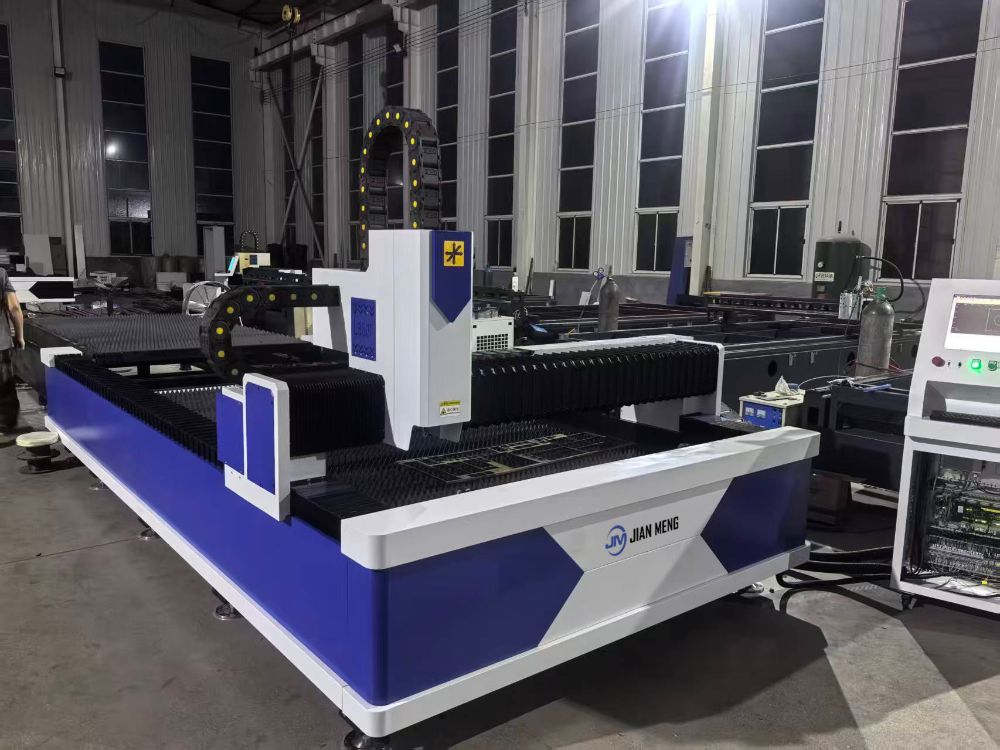
In the fast-paced world of manufacturing, laser cutting technology stands as a cornerstone of innovation and efficiency, revolutionizing how we create everything from intricate prototypes to large-scale industrial components. As businesses increasingly rely on precision machinery to stay competitive, the choice of the right supplier becomes crucial. This blog explores the top laser cutting machine suppliers, highlighting the industry leaders who are setting new standards with their cutting-edge solutions. Among these standout manufacturers, JIAN MENG has emerged as a key player, renowned for its commitment to quality, reliability, and technological advancement. By delving into this guide, you'll gain insights into the companies shaping the future of laser cutting and discover what makes JIAN MENG a trusted name in the field. Whether you're a seasoned professional or new to the industry, this overview aims to spark your curiosity and help you navigate the landscape of leading manufacturers, setting the stage for a deeper dive into their offerings and expertise.
Explore the Top Global Laser Cutting Machine Suppliers
When diving into the world of laser cutting, it's fascinating to see how different manufacturers bring unique strengths to the table. For instance, some focus on high-precision systems for intricate aerospace components, while others excel in robust machines designed for heavy-duty industrial applications. By exploring top suppliers like Trumpf, Bystronic, or Amada, you'll notice each tailors its technology to specific industries, whether it's automotive, electronics, or custom fabrication. This diversity ensures there's a perfect fit for every shop's needs, making the selection process both critical and enriching.
What sets leading suppliers apart isn't just their hardware; it's their commitment to innovation and customer support. Many top players integrate smart features like real-time monitoring and automated material handling, which boost efficiency and reduce downtime. Beyond the machines themselves, consider how companies offer comprehensive training, local service networks, and software updates that keep operations running smoothly. By focusing on these holistic solutions, businesses can not only enhance productivity but also stay competitive in a fast-evolving market.
To truly leverage laser cutting technology, it's worth exploring niche suppliers that push boundaries with specialized offerings. Some firms might emphasize eco-friendly designs with lower energy consumption, while others pioneer new materials compatibility, opening doors for creative projects. By looking beyond the biggest names, you might discover innovative startups or regional experts offering custom configurations that better suit unique workflows. This deeper exploration ensures you're not just buying a machine, but partnering with a supplier aligned with your long-term goals and values.
Key Factors When Choosing a Manufacturer
Selecting the right manufacturer is crucial for bringing your product to life, but it's not just about finding someone who can make it. You'll want to consider their track record with similar projects, as experience often translates to fewer hiccups and a smoother production process. Look for a partner who asks thoughtful questions about your design and goals, showing they're invested in your success rather than just filling an order.
Beyond technical capabilities, communication style and location play significant roles. A manufacturer who responds promptly and clearly can save you from costly misunderstandings, while proximity might reduce shipping times and costs, especially for bulky items. Don't overlook their flexibility in handling small batches or customizations, as this can be key for startups or niche products.
Lastly, consider the intangibles like reputation and ethical practices. Check reviews or ask for references to gauge reliability, and ensure they align with your values, whether that's sustainability or fair labor standards. A good fit here can enhance your brand's story and avoid potential PR headaches down the line.
Innovative Features of Leading Laser Cutting Models
Leading laser cutting models have truly pushed the boundaries of what's possible in precision fabrication, transforming industries ranging from automotive to aerospace with their groundbreaking capabilities. What sets these top-tier machines apart isn't just raw power or speed, but a suite of innovative features that seamlessly integrate into workflows, reducing setup times and boosting productivity. For instance, adaptive cutting technology allows these systems to automatically adjust parameters based on material thickness and type, ensuring flawless results even on complex surfaces without manual tweaking, a game-changer for custom manufacturing.
Another standout innovation is the integration of AI-driven predictive maintenance and real-time monitoring, which fundamentally reshapes operational efficiency. Unlike basic models that merely signal errors, advanced laser cutters analyze usage patterns and wear data to forecast potential issues before they cause downtime, enabling proactive servicing. This not only extends equipment lifespan but also minimizes costly disruptions, giving businesses a competitive edge in fast-paced production environments where every minute counts.
Furthermore, enhancements in user interfaces and connectivity have made these machines more intuitive and collaborative than ever. With cloud-based control systems and remote access, operators can fine-tune cuts from anywhere, share project data effortlessly, and even tap into global libraries for optimized settings. This level of smart integration transforms laser cutting from a standalone process into a networked hub of innovation, empowering teams to experiment with new designs and materials confidently, all while maintaining unparalleled precision and repeatability.
Industry Applications and Efficiency Gains
From manufacturing lines that streamline production with robotics to healthcare systems leveraging AI for diagnostics, industry applications of technology are transforming how we work and live, leading to tangible efficiency gains. These advancements aren't just about speed; they enhance precision and reduce waste, making processes more sustainable and cost-effective.
In logistics, for instance, smart algorithms optimize delivery routes in real-time, cutting fuel consumption and improving customer satisfaction, while in agriculture, sensors monitor crop health to boost yields with fewer resources, showcasing how efficiency gains translate into broader economic and environmental benefits.
Ultimately, by integrating innovative solutions across sectors, businesses are not only staying competitive but also fostering a culture of continuous improvement that drives long-term growth and resilience in an ever-changing market landscape.
Comparing Services and Customer Support Options
When it comes to comparing different services and what they offer, customer support often becomes a deciding factor for many users. Think about it: a service might look great on paper with all its features, but if you run into a problem and can't get help quickly, what's the point? That's why it's smart to dig deeper into support options—like checking if they provide live chat, email responses, or phone lines—before making a choice. Some companies even offer 24/7 support, which can be a lifesaver for urgent issues, while others might take days to reply, leaving you frustrated.
Another aspect to consider is the quality of interaction with support teams. It's not just about availability; it's about how helpful and knowledgeable they are when you reach out. For instance, you might find services where support staff go the extra mile, offering personalized solutions instead of generic answers, or providing follow-ups to ensure your issue is really resolved. On the flip side, some services might have slow or scripted responses that don't address your specific needs, making you feel like just another ticket number in a queue.
To stand out, look for services that blend traditional support with modern touches, like community forums or self-help resources that let you solve minor issues on your own time. This mix can save you hassle and show that a company values your experience beyond just selling a product. By weighing these factors, you're not just comparing prices or features—you're investing in peace of mind, knowing help is there when you need it most.
Future Trends in Laser Cutting Technology
Looking ahead, laser cutting technology is set to become more versatile and precise, driven by innovations in automation and material compatibility. We're seeing a shift toward seamless integration with digital platforms, allowing for real-time adjustments and enhanced control over complex designs, which minimizes waste and speeds up production cycles.
Another key trend involves the adoption of ultrafast and fiber lasers, which offer improved energy efficiency and the ability to process a wider range of materials, from delicate fabrics to advanced composites. This flexibility opens new opportunities in industries like aerospace and electronics, where precision and adaptability are paramount.
Additionally, advancements in AI and machine learning are poised to revolutionize laser cutting by enabling predictive maintenance and quality assurance. These systems can analyze data on-the-fly to optimize cutting parameters, reduce downtime, and ensure consistent results, making the process smarter and more reliable for future applications.
FAQ
Key considerations include machine precision, cutting speed, material compatibility, after-sales support, warranty terms, and customization options to match production needs.
Leading innovators include Trumpf with its high-power fiber lasers, Bystronic for automation integration, and Amada for advanced control systems and energy efficiency.
Look for suppliers with ISO certifications, user reviews, and demonstration opportunities to test performance on specific materials before purchase.
Fiber lasers are more energy-efficient and faster for thin metals, while CO2 lasers excel at cutting non-metals and thicker materials with high precision.
Yes, many top suppliers offer tailored solutions, including bespoke machine configurations, software integration, and training programs for specific industries.
Crucial for minimizing downtime; prioritize suppliers with responsive technical support, spare parts availability, and maintenance contracts.
Trends include increased automation, smart factories with IoT connectivity, eco-friendly designs, and hybrid machines combining cutting with other processes.
Yes, some manufacturers offer entry-level or used machines with financing plans, balancing cost with reliable performance for smaller operations.
Conclusion
Navigating the competitive landscape of top laser cutting machine suppliers reveals a dynamic industry shaped by innovation and quality. Suppliers like Trumpf, Bystronic, and Amada stand out as global leaders, offering advanced models that integrate features such as fiber laser technology and automation. When selecting a manufacturer, key considerations include product reliability, customization options, and overall cost-effectiveness. These suppliers excel in delivering machines that enhance precision and efficiency, catering to diverse applications from automotive manufacturing to aerospace. Their commitment to quality ensures that businesses can achieve optimal production outcomes while staying ahead in a rapidly evolving market.
Beyond core products, leading suppliers differentiate themselves through robust services and customer support, including comprehensive training and maintenance programs. This holistic approach supports seamless integration and maximizes operational gains for clients. Looking ahead, future trends point toward increased adoption of AI-driven systems and sustainable energy solutions, driving further innovation in laser cutting technology. By focusing on these aspects, suppliers not only provide cutting-edge equipment but also foster long-term partnerships, empowering industries to leverage laser cutting for enhanced productivity and growth.
Contact Us
Contact Person: Jeanie
Email: [email protected]
Tel/WhatsApp: +86 19805122954
Website: https://www.jianmeng.com