
Top Trunk Mats for a Cleaner, More Organized Car Interior
2026-09-22
Trunk organization often falls apart the moment you actually use the trunk. A good mat changes that—it keeps spills contained, stops gear from sliding, and makes the cargo area feel less like an afterthought. But not all mats handle real life well. Some look tough but curl at the edges; others trap dirt in deep grooves. That's why we focused on mats that balance durability, grip, and easy cleaning. Among the standouts, FANDEWEI offers options designed for daily use without turning your trunk into a rubber-lined box. Here are the top trunk mats worth considering for a cleaner, more organized car interior.
Why a Quality Trunk Mat Changes Your Daily Drive
A trunk mat seems like a minor accessory until you've hauled a leaky bag of groceries or a muddy pair of boots. A quality one keeps spills, dirt, and sharp edges from reaching the carpet underneath, which means fewer deep cleans and less worry about permanent stains. Over time, that simple layer of protection preserves the interior and keeps the car feeling newer than its mileage suggests.
It also changes how you pack and drive. A well-designed mat with raised edges or a grippy surface stops items from sliding around on every turn and braking. No more thumping from the back when a toolbox or bottle shifts. The result is a quieter cabin and fewer distractions, especially on rough roads or long commutes.
And when it's time to sell or trade in, a clean trunk floor can make a stronger impression than you'd expect. Buyers notice details like that. So the mat isn't just about today's convenience; it's a small investment that pays back in daily calm and future resale value.
Materials That Handle Mud, Spills, and Heavy Gear
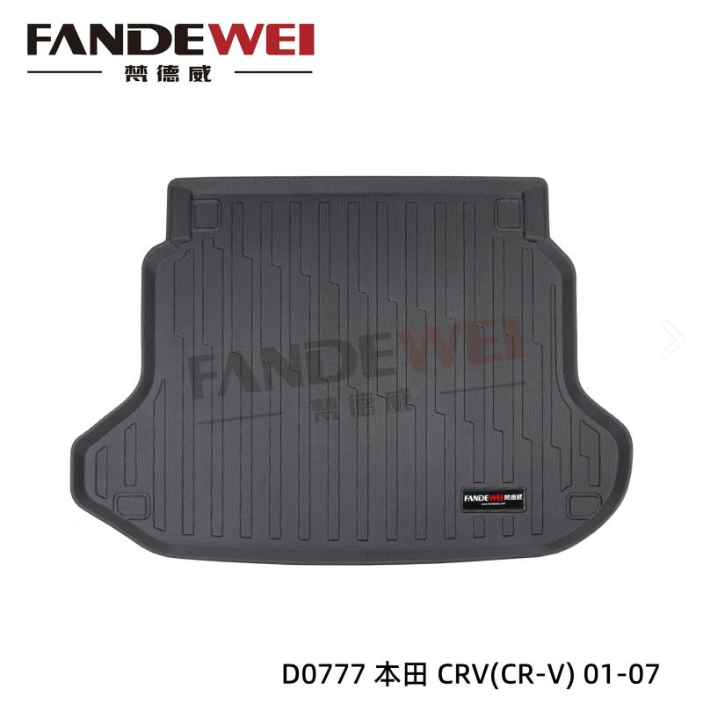
Rubber and reinforced vinyl put up with a lot before they show wear. Mud scrapes off without digging into the surface, and standing water from spills doesn't soak through the way it does with fabric or thin foam. The dense top layer shrugs off oil, grease, and most cleaning chemicals, so a quick hose-down or wipe keeps it usable.
For areas where heavy gear gets dragged or dropped, look for a material with a high durometer rating and a textured underside. That combination absorbs impact without sliding around, and it won't crack when a loaded toolbox or boot heel lands hard. Unlike softer mats that compress and stay dented, these bounce back and keep their shape shift after shift.
Edge ramps and beveled borders also matter more than most people expect. A slight slope lets carts, dollies, and wheeled cases roll over without catching, while the border keeps mud and liquid from spreading onto the surrounding floor. It's a small design detail that prevents a lot of cleanup later.
Custom-Fit vs. Universal: What Actually Stays Put
The difference between a guard that stays in place and one that ends up on the nightstand usually comes down to fit. Custom-fit options, whether molded by a dentist or from an at-home impression kit, grip the exact contours of your teeth and gums. That snugness creates a light suction effect, so the guard stays put through clenching, talking, or even a full night of tossing and turning. Universal or boil-and-bite styles, on the other hand, rely on a generic shape that leaves gaps. Those gaps let the guard shift, slip, or press against the wrong spots—which is exactly when people spit them out or wake up with sore jaws.
A universal guard might feel secure for the first ten minutes, but real life rarely stays still. The moment you swallow, yawn, or change sleep positions, the material can lose contact with your molars. Because the tray isn't keyed to your bite, your tongue and cheeks constantly try to reposition it, and that micro-adjusting often pushes the guard loose. Custom trays avoid this by distributing pressure evenly across every tooth, not just the front six or back molars. The result is less conscious fidgeting and fewer midnight removals.
Staying put also matters for protection, not just comfort. If a guard shifts during impact or grinding, it can't absorb force where it's needed. A loose universal piece can even become a choking hazard for some wearers. Custom-fit designs extend slightly into the gumline without over-contouring, which anchors the tray without making it feel bulky. That's the real difference: you forget you're wearing it, and that's precisely why it remains in place all night or through a full game.
Easy Cleaning Hacks for Long-Lasting Trunk Protection
Most people treat the trunk like a forgotten closet—dump stuff in, slam the lid, move on. But a few minutes of easy upkeep can keep that cargo area from turning into a stained, musty mess. Start with a simple vacuum pass using the crevice tool along the edges and under the floor mat. Crumbs, sand, and pet hair grind into the carpet fibers over time, so pulling them out early prevents permanent wear. If you don’t own a handheld vac, a stiff-bristle brush works surprisingly well for loosening debris before you wipe it up.
For spills and stains, skip the harsh chemical sprays. Mix a capful of mild dish soap into a bucket of warm water, dip a microfiber cloth, and wring it out until it’s barely damp. Blot the spot instead of scrubbing—scrubbing pushes the liquid deeper into the padding and invites mildew. Afterward, leave the trunk open for an hour or two to air dry completely. A small fan pointed at the wet area speeds things up without any lingering odor.
Finally, protect the floor before it gets dirty again. A fitted rubber or all-weather liner catches muddy boots, leaky grocery bags, and the occasional overturned plant pot. Every couple of months, pull the liner out, hose it down, and let it dry in the sun. If your trunk has carpeted side panels, give them a quick wipe with a damp cloth and a drop of vinegar to keep musty smells away. These tiny habits take less time than a car wash and keep your trunk looking—and smelling—like it’s barely been used.
Hidden Storage Ideas That Pair Well With Trunk Mats
A trunk mat can do much more than protect the carpet underneath. When you choose one with a raised lip or a custom-molded shape, it creates natural boundaries that keep smaller items from sliding into hard-to-reach corners. This makes it easier to tuck away a small tool kit, a first-aid pouch, or an emergency roadside kit without them rolling around every time you take a turn.
Look for trunk mats that come with built-in compartments or removable dividers. Some models have fold-out panels that reveal shallow pockets underneath, perfect for storing jumper cables, tire pressure gauges, or a compact air compressor. The mat stays flat on top, so you still have a clean surface for groceries or luggage, while the hidden space below keeps everyday gear out of sight but within reach.
If you want to keep the trunk looking completely uncluttered, pair a heavy-duty trunk mat with soft-sided storage cubes that sit low and press against the sides. The mat's non-slip backing helps hold the cubes in place, so you can use the space behind the rear wheel wells or along the back seat without adding bulky hardware. Velcro strips or small bungee loops attached to the mat's edge give you extra anchor points for bags, umbrellas, or a compact blanket that stays hidden until you need it.
Budget-Friendly Picks That Don't Feel Cheap
Scoring a deal doesn’t mean settling for flimsy materials or forgettable design. The trick is to look past the price tag and pay attention to the small details—dense stitching, a satisfying weight in your hand, or a finish that doesn’t scream “plastic.” A well-chosen budget item can easily pass for something twice the cost if you know where to look.
Take everyday carry essentials, for instance. Instead of grabbing the cheapest option on the shelf, go for simple, unbranded shapes made from matte metal or textured fabric. These choices age better, feel more substantial, and avoid the shiny, toy-like look that instantly gives away a bargain. The same rule applies to home goods: a ceramic mug with a slightly irregular glaze or a woven basket with tight, even fibers reads as intentional rather than inexpensive.
Color also does a lot of heavy lifting. Neutrals like warm gray, deep navy, or olive hide flaws better than bright, saturated hues, while a monochrome palette makes even basic pieces look curated. Pair that with one small upgrade—say, replacing flimsy laces with waxed cotton ones or swapping plastic knobs for turned wood—and suddenly the whole thing feels less like a compromise and more like a smart find.
FAQ
Start with the fit. A mat that’s too big will bunch up at the edges, and one that’s too small leaves the carpet exposed. Then consider the material based on what you usually haul—rubber handles wet or dirty items well, while carpet feels nicer for everyday grocery runs. Also check for a lip or raised edge if you want spill containment, and look at the underside for grip so it doesn’t slide around.
It depends on your routine. Rubber or all-weather mats are easier to wipe down and stand up to mud, snow, and leaked liquids. Carpet mats look more polished and feel softer, but they need more frequent vacuuming and stain treatment. If you carry pets, sports gear, or gardening supplies often, go with rubber. If the trunk is mostly for groceries and luggage, carpet is fine.
Universal mats are designed to cover a range of trunk shapes, so the fit won’t be perfect. They usually require trimming along marked lines to match your floor better. That can work well for basic protection, but if you have an unusual trunk shape or want full edge-to-edge coverage, a custom-fit mat made for your specific make and model is the safer bet.
Look for a mat with a textured or nibbed backing—those little grips help it stay put on the carpet. If yours still moves, you can use hook-and-loop strips or anti-slip pads underneath. Also make sure the mat isn’t too large, because extra material hanging over the edges tends to shift more. For heavy loads, a mat with a raised lip along the sides gives extra stability.
A thicker rubber or carpet mat can absorb some of the noise from things bouncing around in the back, but don’t expect a huge difference in road noise. It mainly reduces rattles from cargo and adds a bit of sound insulation over the bare trunk floor. For noticeable cabin quieting, you’d still need proper sound-deadening material under the mat or in the body panels.
For rubber or all-weather mats, take it out and hose it down with a mild soap solution, then let it air dry completely before putting it back. For carpet mats, vacuum first, then spot clean with a fabric cleaner or a mix of warm water and dish soap. Stubborn stains might need a soft brush. Avoid harsh chemicals that can break down the backing or fade the color.
If you want a clean, factory-like look and full protection, yes. Custom mats are laser-measured for your exact trunk floor, so they cover every contour and often include cutouts for tie-down hooks or seat latches. They’re pricier, but you won’t have gaps where dirt can sneak underneath. For older cars or leased vehicles, a universal trim-to-fit mat might be the more practical choice.
Absolutely. Many brands offer mats specifically shaped for SUV cargo areas and hatchback trunks, often with a taller lip to contain spills from groceries or wet gear. For SUVs with fold-flat seats, you can find mats that extend up the seatbacks for extra protection. Just check the product description to make sure it’s designed for your vehicle type rather than assuming a sedan mat will fit.
Conclusion
A trunk mat that actually fits your car changes more than just how the back looks. It means tossing in muddy hiking boots, a leaky bottle of washer fluid, or the kids' sandy beach gear without that split-second pause of worry. The best materials for this are heavy-duty rubber or thermoplastic—they shrug off moisture, contain spills thanks to raised edges, and don't slide around like thin carpeted mats. If you're choosing between custom-fit and universal, custom wins almost every time, especially for vehicles with odd trunk shapes or tie-down hooks. A laser-measured mat stays flat under cargo and doesn't bunch up near the tailgate. Cleaning is just as important: rinse it with a hose, hit it with mild soap, and let it air dry. No scrubbing, no lingering smell.
For real organization, pair your mat with a few smart accessories. Collapsible storage bins, cargo nets, or velcro dividers keep smaller items from rolling into the corners. Even a simple bungee cord across the floor anchors bags and boxes. You don't have to spend a fortune, either. Some of the best budget mats are made from thick TPE with deep channels—they feel solid and wipe clean, yet cost less than a tank of gas. Skip universal mats that claim to fit everything; they often curl at the edges. Instead, look for a semi-custom shape or a trim-to-fit option with high walls. The right mat turns your trunk into a wipeable, organized space that works with your daily routine, not against it.
Contact Us
Contact Person: Jet
Email: [email protected]
Tel/WhatsApp: 8619903745266
Website: https://www.fandewei.com/