Traceability Coding Machine Company: Elevate Product Identification with Smart Technology
2026-05-24
In a market where every product tells a story, how do you ensure yours is heard clearly and authentically? As a leading traceability coding machine company, Danmajet is rewriting the rules of product identification with smart technology that goes beyond simple marking. Imagine real-time tracking, error-proof coding, and seamless integration that makes recalls a thing of the past. It’s not just about printing dates and batch numbers—it’s about building trust, one scan at a time. If your current labeling system feels stuck in the analog age, this might be the upgrade you didn’t know you needed.
Innovations Driving Modern Product Marking
The landscape of product identification has shifted dramatically with the integration of ultra-compact, high-speed laser systems that can etch alphanumeric codes, intricate logos, and scannable patterns onto virtually any material without physical contact. These systems eliminate consumables like inks or solvents, drastically reducing waste and maintenance intervals while achieving previously unattainable precision on curved or textured surfaces.
Another leap forward is the fusion of marking hardware with cloud-based data platforms, enabling dynamic, on-the-fly code generation that embeds batch numbers, expiration dates, and even unique serialized identifiers directly from production databases. This linkage allows every item to carry its own digital passport, facilitating instant traceability from raw material to end consumer without slowing line speeds.
Advanced vision-guided marking heads now automatically adjust positioning to compensate for product variation or conveyor drift, ensuring consistent placement on every unit. Combined with invisible UV-fluorescent inks that only appear under specific light, manufacturers can layer covert authentication marks beneath visible codes, creating a seamless blend of overt logistics data and covert anti-counterfeiting protection.
Smart Tools for Seamless Traceability
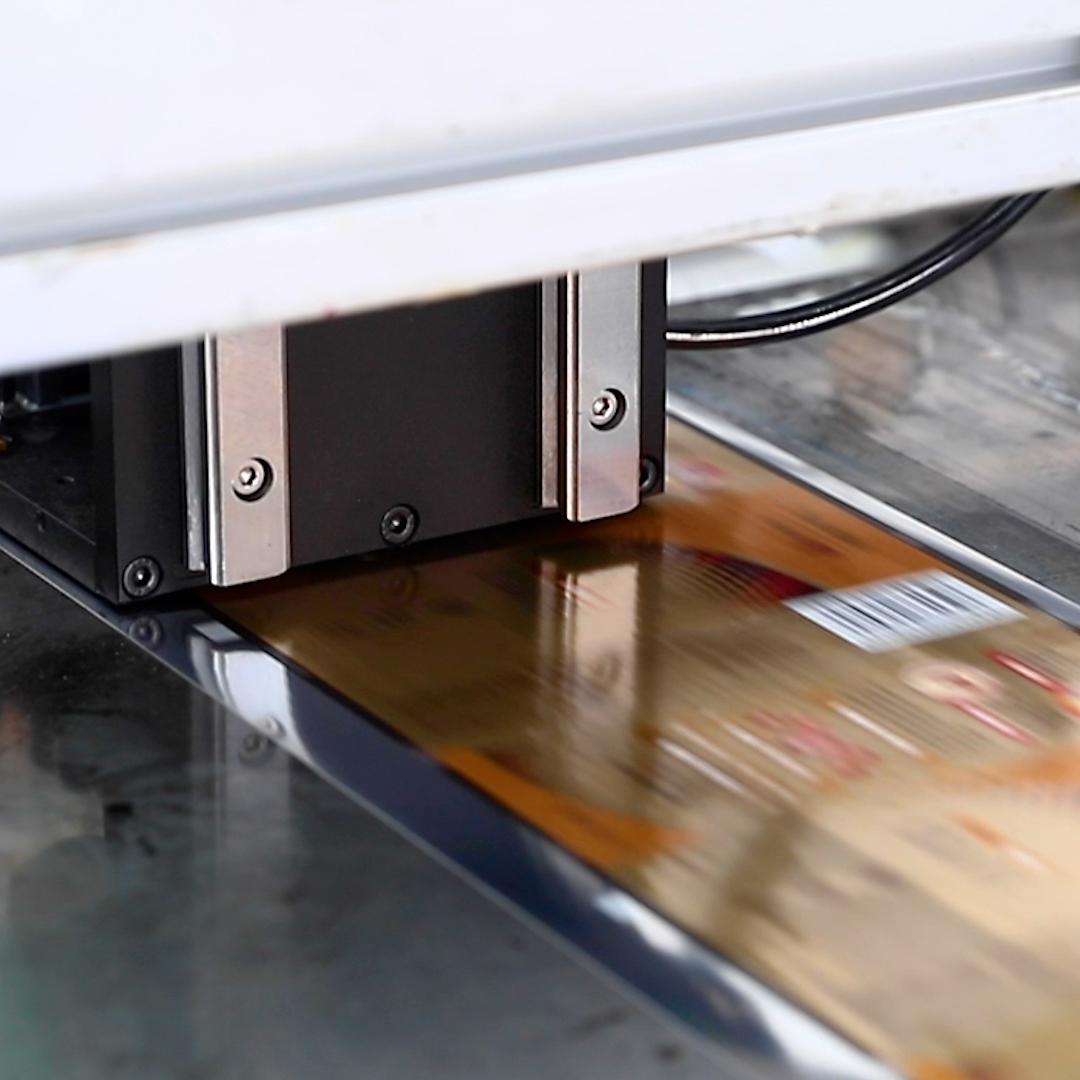
Modern supply chains move fast, and tracking every part or product shouldn't slow things down. Smart tools step in quietly, capturing data at each touchpoint without forcing anyone to stop and log details. RFID tags, embedded sensors, and simple mobile scans turn physical movement into digital records almost like a side effect of everyday work. The result is a clear, up-to-the-minute view of where things are and where they’ve been, all without extra steps that invite human error.
What makes these tools blend in so well is how they link up with systems you already use. There’s no need to switch screens or juggle spreadsheets; updates flow into inventory dashboards and quality logs on their own. This quiet integration means traceability feels less like a task and more like a natural byproduct of moving goods. When a question pops up—where a batch came from, or when a pallet passed through a checkpoint—the answer is just a few clicks away, as if the trail assembled itself.
Redefining Identification in Manufacturing
The old ways of marking parts with simple tags or etching are fading fast. As supply chains grow more tangled and production speeds jump, manufacturers need ways to track every piece without slowing things down. It's no longer just about knowing what a thing is, but where it's been and what's happened to it along the way.
Embedding identity directly into materials—through laser-applied codes that resist heat and chemicals, or radio tags that don't need a clear line of sight—has become common. The real shift, though, is linking that physical marker to a living digital record. When a component carries its own history, from raw material to final test, quality checks stop being paperwork and start being part of the pulse.
This changes how teams handle everything from recalls to custom builds. Instead of chasing paper trails, a quick scan pulls up a full timeline. The machines themselves begin to recognize what they're working on, adjusting on the fly. Identification becomes less of a label and more of a conversation between the product and the people making it.
Beyond Basic Coding: Intelligent Systems at Work
Modern development has moved well past simple scripts and static logic. Intelligent systems now actively reason about data, adapt to changing conditions, and make decisions with minimal human intervention. They combine traditional code with machine learning models, natural language processing, and real-time analytics to solve problems that were once too complex or dynamic for conventional programming.
What sets these systems apart is their ability to handle ambiguity and scale with ease. Instead of following rigid instructions, they learn from patterns, anticipate user needs, and even self-correct when things go wrong. From fraud detection that evolves with new scams to recommendation engines that refine themselves daily, intelligent systems are reshaping how we build software by embedding cognition directly into the application flow.
Custom Solutions for Complex Supply Chains
Every supply chain has its own rhythm, and off-the-shelf solutions rarely keep pace. We design strategies that flex with seasonal surges, navigate border delays, and adapt when a single shipment changes everything. By mapping your actual material flows—not just idealized models—we uncover where standard processes break down and build something that actually holds.
Complexity isn’t a flaw in your operation—it’s the reality of moving goods across continents with competing deadlines and shifting regulations. Our approach starts by listening to the people on your docks and in your dispatch rooms, because they know where the friction lives. From there, we layer in tools that automate the repetitive without forcing your whole system into a rigid mold.
What emerges is a set of tailored workflows that connect suppliers, warehouses, and last-mile carriers in ways that feel almost invisible when they’re running smoothly. We’ve handled cold-chain cross-docking that demanded fifteen-minute windows, just-in-time deliveries to remote mining sites, and reverse logistics for fragile returns. The measure isn’t how sophisticated the plan looks on paper—it’s whether your team can sleep through the night during peak season.
The Next Era of Product Authentication
Traditional methods of verifying product legitimacy are rapidly becoming obsolete as counterfeiters grow more sophisticated. Holograms, barcodes, and simple serial numbers no longer offer the level of protection brands and consumers need. The next wave of authentication technology seamlessly blends physical markers with digital intelligence, creating multiple layers of trust that are both nearly impossible to replicate and instantly verifiable. From microscopic taggants embedded during manufacturing to encrypted QR codes that unveil a product's entire journey, the fusion of material science and digital verification is redefining what it means to prove an item's authenticity.
What sets this new era apart is the shift from reactive checks to proactive, continuous validation. Instead of a one-time inspection at the point of sale, products now carry a lifelong digital identity that evolves with them. Smartphone scans can reveal not just whether something is genuine, but also its service history, ownership records, and even sustainability credentials. This living record—often anchored on decentralized ledgers—makes authenticity a dynamic attribute rather than a static claim, transforming the relationship between brands, retailers, and consumers into a transparent partnership built on verifiable truth.
FAQ
We focus on advanced coding and marking equipment that brings precision and clarity to product labeling. Our systems use smart technology to print batch numbers, expiry dates, barcodes, and other variable data directly onto packaging and products.
You'll find our solutions in food and beverage, pharmaceuticals, cosmetics, electronics, and automotive manufacturing. Essentially, any sector that needs reliable, high-speed product identification to meet regulatory or quality standards.
It reduces manual input errors, automates code changes on the fly, and gives teams real-time visibility into production data. That means less downtime, fewer recalls, and a smoother line overall.
Yes—we have laser coders, continuous inkjet printers, thermal transfer overprinters, and print-and-apply labelers. Each is tailored to specific materials, speeds, and code durability requirements.
Absolutely. Our engineers design them for straightforward integration, with flexible mounting options and common industrial communication protocols so they slot right into your current setup.
We handle installation, operator training, preventive maintenance, and remote diagnostics. Our service teams work proactively to keep your equipment running at peak performance.
They're built for speed without sacrificing print quality. Advanced sensors and controllers synchronize with your line speed, delivering crisp codes even at hundreds of packs per minute.
Conclusion
Traceability Coding Machine Company is reshaping how products are marked and tracked across industries. By integrating intelligent systems into everyday manufacturing, the company moves far beyond basic coding. Advanced laser and inkjet technologies now communicate directly with production lines, adjusting prints in real time to match variable data like batch numbers, expiration dates, and unique serial codes. This shift is not just about speed—it’s about embedding intelligence at the point of marking, so each product carries a digital fingerprint that links back to its origin, materials, and journey. As a result, manufacturers gain immediate clarity on their processes, reducing waste and preventing errors long before they reach the consumer.
The impact extends deep into supply chains, where seamless traceability has become a non-negotiable requirement. Custom solutions from the company address the messy realities of global logistics: from pharmaceutical vials that demand microscopic precision to heavy automotive parts exposed to oil and heat. Their smart tools connect every marked item to cloud-based platforms, enabling real-time tracking and authentication that thwarts counterfeiting at every link. This isn’t merely a labeling upgrade—it’s a fundamental rethinking of identification. With each innovation, Traceability Coding Machine Company pushes the industry toward a future where every product can prove its provenance instantly, fostering trust and resilience in an increasingly complex marketplace.
Contact Us
Contact Person: Jacky
Email: [email protected]
Tel/WhatsApp: 086 15000607053
Website: https://www.danmajet.com