
Triisopropanolamine Recommended List and Practical Selection Tips
2026-11-16
Triisopropanolamine is easy to buy and surprisingly easy to misapply. The difference between a reliable strength gain and a stalled trial often comes down to how you select the grade before testing even begins. Here, we move past generic data sheets to a practical recommended list and the selection tips that actually matter, built on field comparisons from HAISEN.
What a Reliable TIPA Supply Actually Looks Like
For anyone handling triisopropanolamine, a reliable supply starts with chemical consistency. The typical spec sheet matters, but what separates a steady source from a lucky one is how tightly actual deliveries cluster around the promised assay, moisture level, and color. When the product drifts even slightly, the effect shows up downstream in grinding aid performance or admixture stability, often long before the lab flags the issue.
The second piece is less glossy: logistics that respect production schedules. A supplier with regional stock, honest lead times, and a clear line to someone who understands the material is worth more than a lower invoice price that arrives with uncertainty. Reliable supply means you spend less time chasing paperwork and more time optimizing dosage rates and cement performance.
There is also a human element. Good suppliers ask about your storage conditions, seasonal demand patterns, and end-use constraints. They adjust delivery timing, packaging, or even inhibitor levels before a problem reaches your plant. That proactive behavior is the clearest signal that TIPA supply is managed as a service, not just a bulk chemical sale.
Spec Sheet Red Flags You Can Spot in Minutes
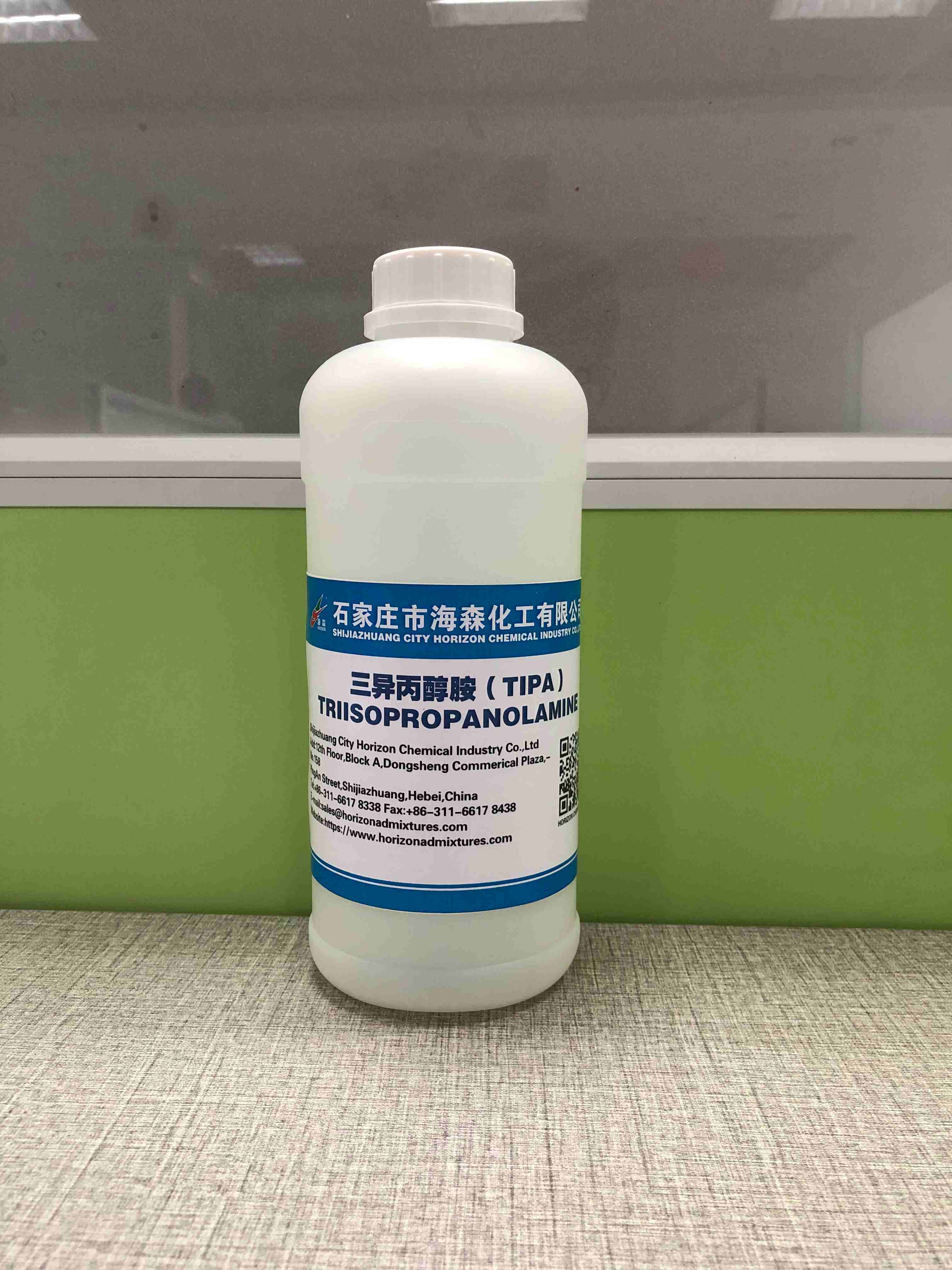
A quick pass at a spec sheet often tells you more by what is absent than by what is printed. If basic dimensions, input voltage, material grade, or mounting hole spacing are missing while the page leans on adjectives like “robust” and “advanced,” treat the rest of the document with caution. Manufacturers who test and stand behind a product usually lead with the numbers, not the mood.
Watch for mismatched units and impossible combinations buried in the fine print. A sheet that lists dimensions in metric but weight in pounds, or claims inlet and outlet sizes that do not match any standard fitting, is often copied from several sources. Obvious contradictions, such as a 40-watt motor that supposedly moves 900 cubic feet per minute, are red flags you can catch without leaving the table.
Vague durability claims are another shortcut to spot trouble. When you see “industrial grade” or “premium quality” without a single ASTM, ISO, or IP rating, the language is doing work the engineering should have done. Solid spec sheets cite test conditions, tolerances, and limitations, because real products have limits and the best documentation is not afraid to state them.
Purity, Color, and Moisture Where Batches Diverge
Batches rarely arrive identical, even when the paperwork suggests otherwise. Purity can drift by a few tenths of a percent without triggering a reject, yet those small shifts sometimes come from a single impurity that affects downstream performance more than the total assay would imply. Color tells a similar story: one lot may look water-white while the next has a faint straw tone, and the difference is often tied to trace oxidation or storage conditions rather than actual contamination. Moisture adds another layer of variability, especially with hygroscopic materials, because exposure time and ambient humidity during repacking can change the result before the drum is sealed.
The practical challenge is that a certificate of analysis only captures a moment in time and a limited set of methods. A lot at 99.2% purity is not automatically cleaner than one at 99.1%; the identity and level of the minor components matter more than the rounded figure. A lighter color does not always mean higher quality either, since particle size or crystal habit can alter light scattering. Moisture differences are easiest to overlook because they can appear after transport or storage, shifting formulation ratios even when the dry-basis assay remains acceptable.
A useful approach is to track all three indicators together instead of treating each in isolation. If moisture is high but purity and color remain within the expected range, drying may be sufficient. If color darkens while purity drops, the batch deserves quarantine and further evaluation. Over time, these paired observations build a narrower internal window than a supplier’s broad specification, making it easier to spot an outlier before it reaches production.
Sampling Before You Commit to Bulk Volumes
A pre-production sample rarely tells the whole story, but it brings the right risks to the surface: shade drift under warehouse lighting, scuffing on outer cartons, or a seam that begins to open after repeated handling. Those are the details that rarely show up in a spec sheet, yet they decide how a bulk shipment is received.
That small approval step also gives both sides a shared reference before quantities and lead times lock in. Instead of relying on verbal assurances, you can inspect a physical or digital standard, flag what feels off, and request adjustments while changes are still inexpensive. The short pause usually costs far less than storing or discounting a full production run that missed expectations.
Storage Conditions That Preserve Performance
Steady conditions usually matter more than an ideal number on a thermometer. A cool, stable spot away from radiators, sunlit windows, and drafty doorways helps prevent the small expansions and contractions that gradually weaken seals, coatings, and internal bonds. Keeping the area between roughly 10°C and 25°C tends to be safer than chasing a perfectly chilled environment and then exposing items to warm, humid air during use.
Moisture does its damage quietly, often showing up as dulling, spotting, or a faint musty smell long after the harm has begun. A sealed container with a fresh desiccant pack handles this better than a plastic bag left half-open on a shelf. If the storage space shares air with a kitchen, laundry room, or garage, add a simple humidity indicator so you know when the enclosure needs attention instead of guessing.
Light, air movement, and even the wrong shelf material can slowly erode performance. Opaque, non-reactive containers keep out UV exposure and reduce contact with airborne oils and dust. After each opening, reseal promptly rather than letting the contents sit out, and avoid storing directly on bare wood or metal surfaces where acids, rust, or static can transfer over time.
Supplier Conversations That Go Beyond the Quote
Most buyers only ask for a price, a lead time, and maybe a shipping cost. That keeps the conversation shallow and easy to replicate. The more interesting discussions happen when you push past the numbers and ask about how a supplier handles a delayed raw material shipment, or what they do when a batch fails inspection halfway through production. Those answers reveal whether you're working with someone who solves problems or someone who just fills orders.
A quote tells you what something costs today. A real conversation tells you what it might cost you later if things go wrong. Ask about their rework process, which customers they've lost and why, or how they prioritize orders when capacity gets tight. Suppliers who are willing to share that kind of detail usually have fewer surprises hidden in their pricing.
Price comparison is the easiest part of sourcing. Understanding how a supplier thinks, communicates, and reacts under pressure takes more time but prevents much bigger losses. The goal isn't to interrogate them. It's to figure out whether they'll treat your order like a transaction or a long-term relationship. That distinction rarely shows up on a quotation sheet.
FAQ
In grinding aid work, the 85% and 95% liquid grades tend to show up most often. The 85% version is usually selected when cost per ton matters more than peak purity, while 95% is preferred where amine odor, water content, or dosage consistency is under closer scrutiny. Some plants also keep a small amount of 98% material for lab benchmarks or high-end admixture trials.
Put both samples side by side at the same temperature and look at color, clarity, and viscosity before running any chemistry. A dark or hazy sample often points to storage issues or lower-quality feedstock. Then run a simple amine value titration and moisture test; if the numbers are close but field performance differs, check the impurity profile rather than assuming purity tells the whole story.
Water content changes both dosing accuracy and formulation stability. If one batch arrives at 0.5% water and another at 3%, the actual active amine delivered per kilogram shifts enough to alter grinding aid performance. For consistent plant results, set an internal moisture limit that matches your storage conditions instead of relying only on the supplier's typical range.
Start with logistics and batch consistency, not just the label. Domestic material often wins on lead time and easier replacement stock, while imported TIPA may offer tighter specifications or more stable color. Request three consecutive batch certificates from any source and compare the range of values, because one good sample does not predict the next shipment.
Keep it in a sealed, dry container away from prolonged heat and direct sunlight. TIPA absorbs moisture and can darken if stored poorly, especially in humid sites. Use nitrogen blanketing if the tank breathes heavily, and avoid repeated partial drum openings that invite water pickup.
Lower-purity TIPA can work when the formulation has enough tolerance for water and minor impurities, especially in basic cement grinding aids where dosage is adjusted by trial. If you are making a premium admixture or need tight odor and color control, the savings from 85% material usually disappear in quality claims or rework.
Request a production sample from the actual batch you would receive, not a lab sample from an old stock. Run a plant trial at the same dosage, keep the mill feed stable, and compare not only strength development but also pack-set and flow behavior. Supplier changes often fail because only the amine value was compared, while the impurity pattern and water content were overlooked.
Conclusion
Triisopropanolamine (TIPA) rarely gets the attention it deserves until a batch arrives off-spec, and by then the cost is already baked into production. A practical shortlist should favor suppliers who treat TIPA as a core line rather than an afterthought. Reliable supply means consistent lead times, honest lot tracking, and enough inventory visibility that you are not chasing a truck at the last minute. Spec sheets deserve a closer read than most teams give them: watch for missing assay ranges, vague impurity language, or test methods that change between quotes. Purity, color, and moisture are where many batches quietly diverge, and those differences tend to show up later as amine odor, unstable viscosity, or unexpected side reactions. Before committing to bulk volumes, request a small representative sample and run it through your own incoming checks—especially if the quoted numbers look too clean.
Storage conditions are just as important as the purchase itself. TIPA absorbs moisture and can darken when exposed to heat or poor drum sealing, so plan for cool, dry, and tightly closed containers from the moment material arrives. Ask suppliers how they store and ship during hot or humid months, not just what their certificate says. Finally, move the conversation beyond price. Good suppliers can explain which end uses their TIPA is most consistent for, how they handle batch-to-batch variation, and what they will do if a delivered lot fails your internal spec. A recommended list built on those signals gives you fewer surprises and far less troubleshooting downstream.
Contact Us
Contact Person: Sam Lee
Email: [email protected]
Tel/WhatsApp: 86-311-6617 8338
Website: https://www.horizonadmixtures.com/