Unveiling Chinese Metal Forming Machines: Revolutionizing Modern Manufacturing
2026-01-27
In the ever-evolving landscape of modern manufacturing, Chinese metal forming machines are making waves by redefining efficiency and precision. These innovative technologies are not just enhancing production lines but revolutionizing entire industries. At the heart of this transformation stands GRM, a brand synonymous with cutting-edge solutions that push the boundaries of what's possible. As we delve into the intricacies of this dynamic sector, discover how GRM is leading the charge, turning raw potential into tangible success. Stay tuned to uncover the secrets behind these game-changing machines and why they matter for your business.
Innovations in Chinese Metal Forming: Shaping Global Industries
China's metal forming industry has surged ahead with groundbreaking innovations that are redefining manufacturing standards worldwide. From advanced precision forging techniques to the integration of smart technologies like AI-driven quality control, these advancements are enabling more efficient production of complex components for automotive, aerospace, and consumer electronics sectors. This global influence stems from a commitment to research and development, positioning China as a pivotal player in high-tech metalworking that drives international supply chains forward.
Beyond traditional methods, Chinese companies are pioneering eco-friendly processes such as additive manufacturing and lightweight material shaping, which reduce waste and energy consumption. These sustainable approaches not only meet stringent environmental regulations but also appeal to global markets seeking greener solutions, thus enhancing the industry's competitiveness. By exporting these innovative practices, China is actively shaping global industries toward more resilient and adaptable manufacturing frameworks.
Collaboration between academia and industry in China has fostered rapid prototyping and customization capabilities, allowing for faster adaptation to market demands. This synergy ensures that innovations are quickly translated into practical applications, influencing sectors like renewable energy and robotics. As a result, China's metal forming innovations are not just technical achievements but catalysts for broader industrial transformation on a worldwide scale, fostering cross-border partnerships and setting new benchmarks.
Precision Engineering: The Core of China's Machine Advancements
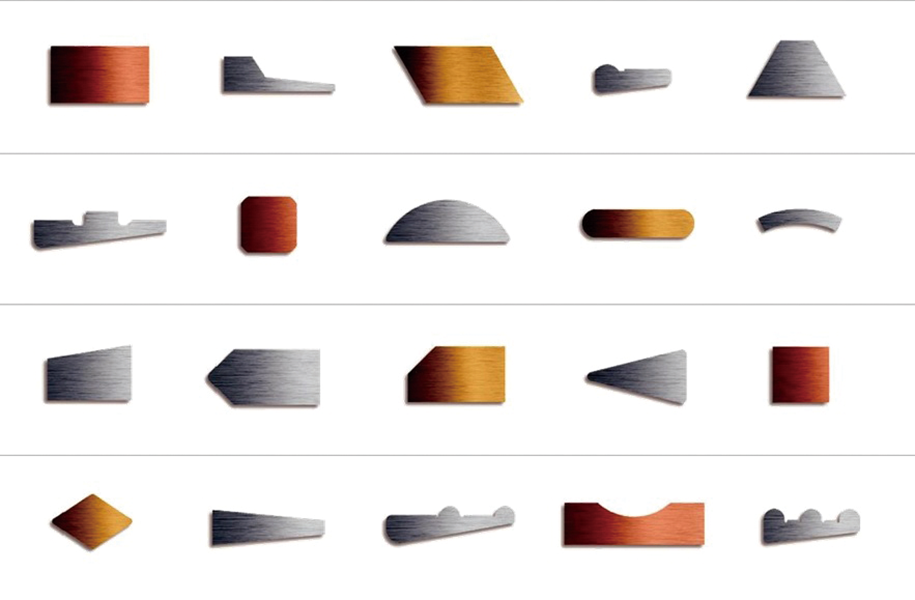
In recent years, China's machine advancements have been driven by a relentless focus on precision engineering, transforming industries from automotive to aerospace. This approach emphasizes meticulous design and manufacturing processes that minimize tolerances and enhance efficiency, enabling machines to perform with unprecedented accuracy.
Beyond just improving performance, precision engineering has become a strategic pillar for innovation in China's tech landscape. It fosters the development of smart machinery and automation systems that adapt to complex tasks, pushing the boundaries of what's possible in global manufacturing and logistics.
Ultimately, this commitment to precision is shaping a new era of machine reliability and sustainability, as refined components lead to longer lifespans and reduced waste, solidifying China's role as a leader in high-tech industrial solutions.
Smart Technology Integration in Metal Forming Equipment
Integrating smart technologies into metal forming equipment is revolutionizing the industry by enabling unprecedented levels of precision and control. Advanced sensors and Internet of Things (IoT) devices are now embedded in presses, stamping machines, and forging systems, continuously collecting real-time data on parameters like temperature, pressure, and material properties. This connectivity allows operators to monitor performance remotely, predict maintenance needs before failures occur, and adjust processes dynamically to optimize output quality.
Beyond mere automation, artificial intelligence (AI) and machine learning algorithms are being applied to analyze the vast amounts of data generated, identifying patterns and anomalies that human operators might miss. For instance, AI can fine-tune forming paths in CNC machines to reduce material waste and improve part consistency, while predictive models help schedule maintenance based on actual usage rather than fixed intervals, minimizing downtime and extending equipment lifespan.
Moreover, smart integration fosters greater flexibility in production lines, as these systems can quickly adapt to new designs or materials with minimal manual reprogramming. This not only enhances efficiency but also supports sustainable practices by reducing energy consumption and scrap rates. As manufacturers embrace these innovations, they gain a competitive edge through faster turnaround times and higher-quality products, marking a shift toward more intelligent, responsive metal forming operations.
Eco-Friendly Designs Transforming Manufacturing Practices
Instead of just patching up old systems, manufacturing is embracing radical redesigns that cut waste from the start. Picture factories using 3D printing to craft parts layer by layer, slashing material scraps by up to 90% compared to traditional cutting methods. Some companies are even weaving recycled plastics into durable products like furniture or automotive components, turning trash into treasure without sacrificing quality.
Beyond materials, smart energy strategies are reshaping how plants operate. Solar panels and wind turbines now power assembly lines, while AI-driven systems optimize heating and cooling in real-time to curb excess usage. One innovator in Germany has halved its carbon footprint by integrating geothermal heat pumps, proving that green tech isn't just a buzzword—it's a game-changer for efficiency and cost savings.
The ripple effects extend to logistics, too, with modular designs enabling easier disassembly and repair. This shift toward a circular economy means fewer items end up in landfills, as manufacturers prioritize longevity and recyclability. From biodegradable packaging to waterless dyeing techniques in textiles, these forward-thinking practices are setting a new standard, proving that sustainable manufacturing can thrive without compromising on innovation or profitability.
Custom Solutions for Diverse Manufacturing Challenges
In today's fast-paced industrial landscape, manufacturing challenges come in all shapes and sizes. From managing complex supply chains to optimizing production lines, each hurdle demands a unique approach. That's where custom solutions step in, designed specifically to meet the distinct needs of your operations. By tailoring strategies to your exact requirements, these solutions ensure greater efficiency, reduced downtime, and a competitive edge in the market.
Whether it's integrating new technologies or adapting to evolving customer demands, a one-size-fits-all strategy often falls short. Custom solutions dive deep into the core issues, offering bespoke tools and processes that align with your goals. This personalized attention not only resolves immediate problems but also builds a foundation for sustainable growth and innovation in your manufacturing journey.
Ultimately, embracing tailored approaches transforms obstacles into opportunities. By focusing on what makes your business unique, custom solutions empower you to navigate complexities with confidence and precision, driving long-term success in an ever-changing environment.
Global Impact: How Chinese Machines Drive Efficiency Worldwide
From manufacturing plants in Southeast Asia to agricultural fields in Africa, Chinese machinery has become an integral part of global operations, pushing boundaries in productivity and sustainability. Brands like Sany and Zoomlion are not merely exporting equipment; they're delivering tailored solutions that adapt to local challenges, such as harsh terrains and resource constraints, thereby reducing downtime and boosting output in key sectors. This surge in efficiency is evident in infrastructure projects, where Chinese-made excavators and cranes streamline construction timelines, helping nations meet urgent developmental goals with cost-effective precision.
Beyond raw power, these machines incorporate smart technologies like IoT sensors and AI-driven analytics, enabling real-time monitoring and predictive maintenance that prevent costly breakdowns. In logistics and warehousing, companies like Geek+ automate processes with robotic systems, enhancing supply chain resilience across continents while cutting labor-intensive tasks. By integrating these innovations, businesses worldwide report significant gains in energy savings and operational agility, fostering a more interconnected and responsive global economy.
The human impact is equally profound, as Chinese machinery supports local job creation through training programs and partnerships, empowering communities to sustain growth independently. As industries embrace these tools, they're not just optimizing workflows—they're redefining standards of efficiency on a global scale, making advanced technology accessible and driving progress in diverse markets from Latin America to the Middle East.
FAQ
Chinese metal forming machines stand out due to their advanced automation capabilities, cost-effective production, and rapid adoption of smart technologies like IoT integration, making them pivotal in enhancing global manufacturing efficiency.
They are revolutionizing modern manufacturing by enabling high-precision, large-scale production with minimal waste, thanks to innovations such as CNC systems and energy-efficient designs that boost productivity and sustainability.
Key innovations include the development of hybrid hydraulic-mechanical presses, real-time monitoring sensors, and AI-driven predictive maintenance tools, which improve accuracy, reduce downtime, and lower operational costs.
Global manufacturers are drawn to the competitive pricing, reliable performance, and customizable solutions offered by Chinese manufacturers, coupled with strong after-sales support and adherence to international quality standards.
Challenges include intense competition from established brands, the need for continuous R&D to keep pace with technological advancements, and navigating trade barriers and intellectual property concerns in various regions.
They contribute by incorporating energy-saving mechanisms, using recyclable materials in construction, and optimizing production cycles to minimize environmental impact, aligning with global green manufacturing trends.
Future trends likely involve greater integration of robotics for fully automated lines, expansion into niche markets like aerospace and automotive, and enhanced digital twins for virtual testing and optimization.
Yes, small to medium enterprises benefit from affordable entry-level models, scalable technology that grows with business needs, and access to versatile machines that support diverse product lines without huge capital investment.
Conclusion
The article "Unveiling Chinese Metal Forming Machines: Revolutionizing Modern Manufacturing" highlights how China's advancements in metal forming technology are reshaping global industries. Innovations in this sector have propelled Chinese machinery to the forefront, with precision engineering at the core of these advancements, ensuring high-quality output that meets stringent international standards. Smart technology integration further enhances this revolution, embedding IoT and AI capabilities into equipment to boost automation and real-time monitoring. Together, these developments not only address diverse manufacturing challenges through custom solutions but also drive efficiency worldwide, positioning Chinese machines as key players in modern industrial ecosystems.
Moreover, eco-friendly designs are transforming manufacturing practices, emphasizing sustainability and reduced environmental impact. This shift aligns with global trends toward greener production methods, making Chinese metal forming machines attractive for industries seeking both performance and responsibility. The global impact is evident as these machines enable more efficient processes across various sectors, from automotive to aerospace. By focusing on innovation, precision, intelligence, and sustainability, Chinese metal forming equipment is not just keeping pace but setting new benchmarks, revolutionizing manufacturing on a global scale and offering tailored answers to complex industrial needs.
Contact Us
Contact Person: Rayna
Email: [email protected]
Tel/WhatsApp: 86 -173 1474 6343
Website: https://www.grmrollingmill.com/