Wear Resistant Steel Plate in China: Key Features and Applications
2026-01-13
In the bustling heart of China's industrial landscape, wear-resistant steel plates have emerged as a cornerstone of durability and innovation. As industries from mining to construction push the boundaries of efficiency, the demand for materials that withstand extreme conditions continues to soar. This blog delves into the key features and diverse applications of wear-resistant steel plates in China, offering insights into how these materials are reshaping modern engineering. At the forefront of this evolution stands Jiangsu Baowu New Materials, a name synonymous with cutting-edge solutions and reliability. Join us as we explore what makes these plates indispensable, sparking your curiosity about the technologies driving tomorrow's toughest challenges.
Exceptional Durability and Hardness of Chinese Wear-Resistant Steel
Chinese wear-resistant steel has earned global recognition for its outstanding durability and hardness, making it a top choice in demanding industrial applications. Through advanced metallurgical techniques, manufacturers in China have developed alloys that can withstand extreme abrasion, impact, and wear, often outperforming competitors in longevity tests. This durability translates to reduced downtime and maintenance costs, as components made from this steel resist degradation even under high-stress environments like mining, construction, and heavy machinery. Innovations in heat treatment and material composition allow these steels to maintain their structural integrity over longer periods, ensuring reliable performance that meets international standards and caters to diverse market needs.
The exceptional hardness of Chinese wear-resistant steel is a key factor behind its success, achieved through precise control of alloy elements such as carbon, chromium, and manganese. This hardness enables it to resist surface indentation and scratches, crucial for applications involving friction or abrasive materials. Unlike some generic alternatives, Chinese variants often incorporate unique microstructural designs that enhance toughness alongside hardness, preventing brittleness and cracking. This balance makes it ideal for use in equipment like crushers, conveyors, and earth-moving tools, where both strength and resilience are essential. Customers increasingly prefer these steels for their ability to handle harsh conditions without compromising safety or efficiency.
Beyond technical specifications, the rise of Chinese wear-resistant steel reflects a broader commitment to quality and innovation in the manufacturing sector. Companies in China invest heavily in research and development, leading to proprietary grades that offer tailored solutions for specific industries. This focus on customization helps users achieve better productivity and sustainability, as products last longer and require fewer replacements. With a growing export market, Chinese wear-resistant steel stands out for its cost-effectiveness and reliability, making it a strategic choice for businesses worldwide seeking durable materials that deliver consistent results under pressure.
Diverse Grades and Customization Options for Varied Needs
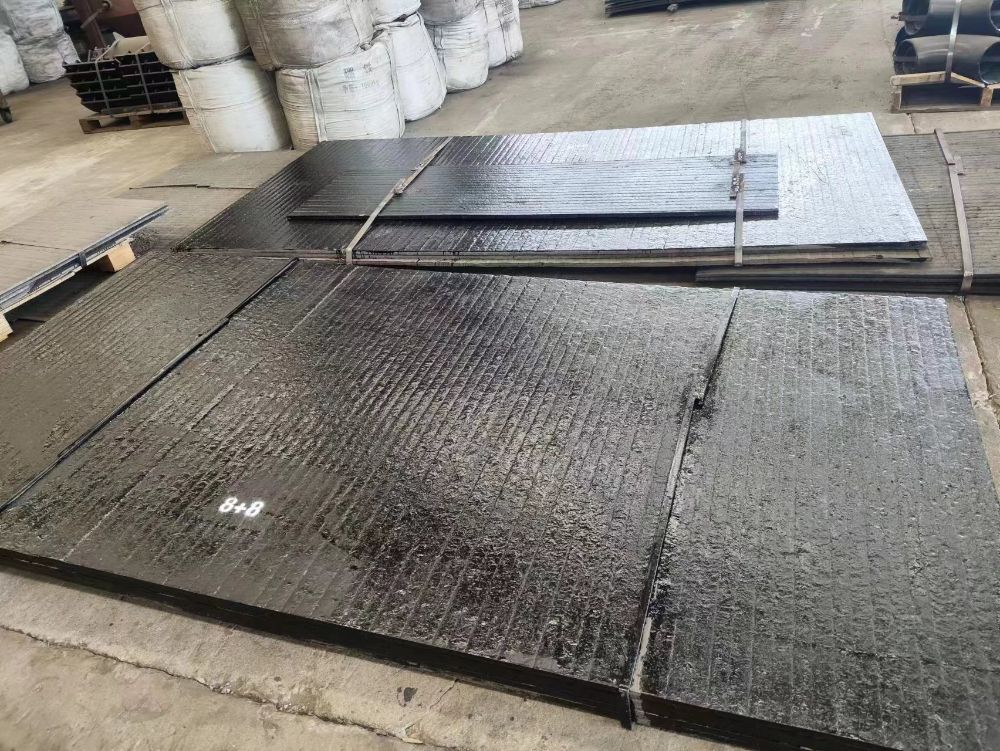
When it comes to meeting the diverse needs of different projects, having a range of grades and customization options is essential. This approach ensures that you aren't stuck with a one-size-fits-all solution that might not align perfectly with your specific requirements. From basic setups to advanced configurations, the flexibility offered allows for tailored solutions that enhance efficiency and effectiveness, no matter the scale or complexity of your work.
Customization plays a key role in adapting products or services to unique challenges and preferences. By offering varied options, providers can address specific pain points and deliver more personalized outcomes. This not only improves user satisfaction but also fosters innovation by encouraging experimentation with different features and setups to find the best fit for each situation.
In practice, this diversity means you can start with a standard grade and scale up as your needs evolve, or opt for bespoke modifications right from the start. It's all about empowering you to choose what works best, ensuring that the solution grows with you and remains relevant over time, rather than becoming obsolete as conditions change.
Innovative Manufacturing Techniques and Quality Control
In today's competitive landscape, manufacturing has evolved beyond traditional assembly lines to incorporate a range of innovative techniques that streamline production while enhancing precision. Technologies like 3D printing, also known as additive manufacturing, allow for the creation of complex prototypes and end-use parts with minimal waste, revolutionizing sectors from aerospace to healthcare. Similarly, robotics and automation systems are being integrated to perform repetitive tasks with consistent accuracy, freeing human workers for more creative and strategic roles. These methods not only boost efficiency but also enable customization at scale, meeting diverse customer demands without compromising on speed or quality.
Alongside these advancements, quality control has undergone a transformative shift, moving from post-production inspections to real-time monitoring embedded within the manufacturing process. Smart sensors and Internet of Things (IoT) devices are now commonly used to collect data on parameters such as temperature, pressure, and material integrity, providing instant feedback that helps prevent defects before they occur. Artificial intelligence and machine learning algorithms analyze this data to predict potential issues and optimize workflows, ensuring that every product meets stringent standards. This proactive approach reduces rework and waste, leading to cost savings and higher customer satisfaction, as quality becomes an integral part of the production cycle rather than an afterthought.
By merging innovative manufacturing techniques with advanced quality control measures, companies can achieve a harmonious balance between creativity and reliability. This synergy fosters environments where continuous improvement is the norm, driving innovation forward while maintaining the trust of consumers and stakeholders.
Wide-Ranging Industrial Applications and Case Studies
Across diverse sectors, the adoption of advanced technologies has led to groundbreaking changes that enhance efficiency and innovation. From manufacturing lines utilizing robotics for precision assembly to logistics companies optimizing routes with AI-driven algorithms, industries are leveraging these tools to reduce costs and improve outcomes. For instance, in automotive production, smart sensors and IoT devices monitor equipment health in real-time, minimizing downtime and boosting productivity through predictive maintenance solutions.
Beyond operational improvements, case studies reveal how tailored applications address specific challenges. In healthcare, diagnostic imaging systems powered by machine learning assist radiologists in detecting abnormalities more accurately, leading to earlier interventions and better patient care. Similarly, the energy sector has seen innovations like smart grids that manage electricity distribution dynamically, incorporating renewable sources to ensure stability and sustainability while reducing environmental impact through real-time data analysis.
Looking at success stories, companies report transformative results from implementing these solutions. A notable example is a retail chain that integrated AI for inventory management, achieving a 20% reduction in stockouts and overstock by analyzing sales patterns and seasonal trends. This not only improved customer satisfaction but also streamlined supply chains, demonstrating how data-driven strategies can create competitive advantages in fast-paced markets.
Cost-Effectiveness and Long-Term Performance Benefits
When evaluating investments, it's crucial to look beyond upfront savings and consider how cost-efficiency translates into sustained value over time. By prioritizing solutions that minimize operational expenses while maintaining high standards, businesses can avoid the pitfalls of cheaper alternatives that often lead to frequent repairs or replacements. This approach not only reduces immediate financial outlays but also strengthens fiscal health through predictable budgeting and reduced waste.
Long-term performance benefits are intricately linked to this cost-effectiveness, as durable materials and smart designs tend to outperform their counterparts year after year. For instance, energy-efficient systems might require a higher initial investment, but they consistently lower utility bills and enhance reliability, diminishing the need for costly interventions down the line. This synergy between affordability and endurance ensures that resources are allocated wisely, fostering resilience in dynamic environments.
Ultimately, adopting a holistic view that balances short-term gains with lasting advantages can propel organizations ahead of competitors. It's not just about cutting corners; it's about building a foundation that supports growth and innovation without compromising quality or sustainability in the long run.
Environmental and Sustainability Considerations in Production
In the manufacturing process, integrating environmental and sustainability considerations has become more than a regulatory requirement; it's now a core driver of innovation and market reputation. Companies are increasingly adopting practices that minimize resource consumption and waste, such as using renewable energy in factories or implementing closed-loop systems for materials. This shift isn't just about meeting standards—it's about building resilience against climate risks and appealing to eco-conscious consumers who demand transparency and responsibility from their favorite brands.
Beyond the obvious benefits like reducing carbon footprints, sustainable production often leads to unexpected advantages. For instance, by redesigning packaging to be lighter or more recyclable, businesses can cut transportation costs and enhance logistics efficiency. Moreover, adopting circular economy principles encourages creative reuse of by-products, turning what might have been discarded into valuable inputs for other processes. This holistic approach fosters a culture of continuous improvement where every step in the supply chain is scrutinized for its environmental impact.
As industries evolve, the conversation around sustainability is moving beyond mere compliance towards genuine transformation. Brands that embed these considerations into their DNA from the start are finding it easier to adapt to new regulations and consumer trends. From sourcing raw materials responsibly to ensuring ethical labor practices, the focus on sustainability touches every aspect of production, ultimately contributing to a healthier planet and more resilient economies. It's not just a trend—it's a fundamental shift in how we think about making things.
FAQ
Wear-resistant steel plate is a specialized steel alloy designed to withstand abrasion and impact, often used in harsh industrial environments where materials face constant wear and tear.
Unlike ordinary steel, wear-resistant steel plate is engineered with specific hardening treatments, such as quenching and tempering, enhancing its hardness and durability, while maintaining some flexibility to prevent cracking under stress.
In China, it's widely used in mining equipment, construction machinery, material handling systems, and agricultural tools, reflecting the country's robust industrial and infrastructure sectors.
They offer high hardness, excellent toughness, and cost-effectiveness due to advanced manufacturing techniques and large-scale production, often meeting or exceeding international standards for performance.
Yes, Chinese manufacturers commonly provide customization in thickness, size, and composition, allowing for tailored solutions based on the application's unique requirements.
Quality is maintained through strict control processes, including material selection, heat treatment, and testing for hardness and impact resistance, often with certifications from recognized bodies.
Factors like moisture, temperature extremes, and exposure to abrasive materials can impact durability, but proper maintenance and coating applications can help extend service life.
Recent advances include improved alloy compositions for better wear resistance and sustainability, as well as integration with digital monitoring for predictive maintenance in smart applications.
Conclusion
The wear-resistant steel plate industry in China stands out for its emphasis on exceptional durability and hardness, ensuring that products can withstand harsh industrial environments without premature wear. Beyond these fundamental characteristics, Chinese manufacturers offer a diverse range of grades and customization options, allowing for tailored solutions that meet specific operational requirements, from heavy machinery to mining equipment. This adaptability is supported by innovative manufacturing techniques and rigorous quality control processes, which guarantee consistency and performance across batches, making Chinese steel a reliable choice for demanding applications.
Moreover, these steel plates find wide-ranging industrial applications, with numerous case studies demonstrating their effectiveness in sectors such as construction, automotive, and energy, where their cost-effectiveness and long-term performance benefits lead to significant savings over time. Additionally, environmental and sustainability considerations are increasingly integrated into production, focusing on efficient resource use and reduced environmental impact, which not only aligns with global green initiatives but also enhances the overall value proposition. This holistic approach combines practical advantages with responsible manufacturing, setting Chinese wear-resistant steel apart in the competitive global market.
Contact Us
Contact Person: Zoe Liang
Email: [email protected]
Tel/WhatsApp: 86 189 2128 6299
Website: https://www.baowuchina.com