
Wholesale Airless Pump Bottle: What to Look for Before You Order in Bulk
2026-08-20
Ordering airless pump bottles in bulk isn’t just about grabbing the lowest unit price. A batch that leaks, clogs, or leaves 20% of your product stuck at the bottom can quietly erode your brand’s reputation and frustrate repeat customers. Before you commit to thousands of units, it pays to look past the surface. As a manufacturer with deep roots in precision dispensing, Zhejiang Haitong Plastic Industry Technology Co., Ltd. has seen which details separate a dependable wholesale order from an expensive lesson. This guide walks through the practical checks—piston fit, material compatibility, customization options, and quality testing—so you can order with confidence instead of crossing your fingers.
Material Matters: Why Polypropylene vs. Acrylic Changes Everything
Polypropylene and acrylic look similar at first glance, but their differences run deep. Polypropylene is a workhorse plastic—tough, flexible, and resistant to chemicals and fatigue. It shrugs off impacts and keeps its shape under repeated stress. Acrylic, by contrast, is all about clarity and polish. It offers glass-like transparency and a smooth, premium surface that resists scratching and UV yellowing. The catch? Acrylic is more brittle, while polypropylene can look dull and feels less refined.
These material traits directly shape how products perform in the real world. A storage bin made of polypropylene survives drops, temperature swings, and harsh cleaners without cracking. An acrylic display case, on the other hand, stays crystal clear for years indoors but may shatter if knocked over. For outdoor signage, acrylic’s UV resistance keeps it looking new, while polypropylene would fade and warp. In medical devices, polypropylene’s chemical inertness is critical; in retail displays, acrylic’s optical brilliance sells the product.
Choosing between them isn’t a minor detail—it determines whether a product thrives or fails. A kitchen container that clouds or cracks loses trust fast. A point-of-sale stand that shatters during shipping becomes a costly return. Smart designers match the material to the job’s specific demands: flexibility versus rigidity, toughness versus transparency, cost versus longevity. Get it wrong, and the whole user experience changes. Get it right, and the material quietly does its job for years.
The Pump Mechanism Test Most Buyers Skip
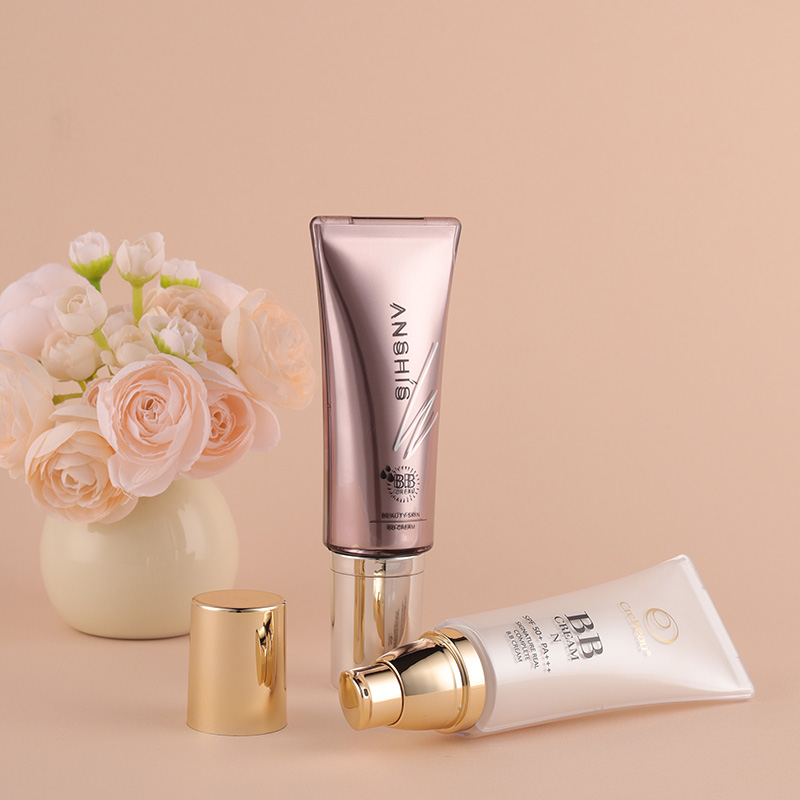
Most buyers give a pump three or four quick presses and call it a day. That tells you almost nothing. The real test is to slow down and press the nozzle at a deliberately uneven pace—two fast, one slow, then a hard full stroke. Cheap pumps start to sputter or deliver half-doses under that kind of rhythm because the piston loses contact with the spring or the check valve floats. Hold the bottle at chest height and empty at least twenty full strokes. If the stream thins out after ten, the mechanism is already fatiguing.
Next, check the rebound. After you press, the head should snap back flush with the collar without sticking or making a sucking sound. A pump that returns slowly or sits at an angle lets air slip past the seal, which means the lotion or soap inside starts drying out at the tip. Flip the bottle upside down with the nozzle locked and give it a few squeezes around the threads. Any wetness there is a sign the gasket isn't seated right, and it will leak inside your bag or cabinet within a month.
The test almost everyone skips is the restart after the pump has sat dry. Ask to fill it with just water and then pump until empty. Leave it upright overnight. Next morning, try priming it again. If it takes more than five or six strokes to pull liquid back up, the ball check isn't holding—a failure you'll notice when you switch from a thick cream to a thin toner. Better to discover that before the return window closes.
How to Spot a Supplier That Won't Disappear After Your Deposit
A supplier that vanishes after payment rarely leaves a clean trail. Start by pushing for a video walkthrough of their actual facility, not a polished brochure or a stock photo gallery. Ask them to show raw materials, current production lines, and even the shipping dock with your order number written on a whiteboard. If they hesitate, make excuses about confidentiality, or only send pre-recorded clips that could belong to anyone, walk away. Real operations are proud of their floor space and have nothing to hide when a serious buyer asks for proof.
Check how they handle small, low-stakes tests. Ask for a sample order with custom packaging or a minor modification that requires real work. A legitimate supplier will charge a reasonable fee and ship it without drama. A scammer will either refuse, demand full payment upfront for a tiny order, or send a generic item that doesn't match your specs. Also pay attention to communication: do they answer questions directly, or do they always redirect to WhatsApp voice notes and vague promises? Direct, specific answers in writing create a paper trail that scammers hate.
Finally, look for third-party footprints that are hard to fake. A supplier that has survived for years will show up in trade dispute records, shipping manifests, or even Google Street View of their industrial park. Cross-reference their business license number with local company registries, and ask for the name of the freight forwarder they usually work with. If you can reach that forwarder and confirm they've moved goods for this supplier before, the risk drops sharply. No single check is foolproof, but combining live video, a custom sample, and an independent logistics reference makes it very hard for a deposit thief to slip through.
Sample First, Regret Never: A Pre-Bulk Order Ritual
Bulk discounts look tempting until you’re staring at a pallet of near-misses. A pre-bulk order ritual starts with asking the supplier for one production sample, not a prototype that has been polished for show. Put that sample through the same rough handling it will face in daily use—drops, spills, repeated cycles. If it comes out with loose threads, warped edges, or weak seals, that’s your answer before you commit.
Some buyers treat sampling as a formality and only check colors or dimensions. That misses the point. Spend a few days with the item in your own environment. Let different people use it and note where they struggle. The goal isn’t to find a perfect product; it’s to catch the flaws you can live with and the ones you can’t.
Once the sample passes, keep it as a reference. When the bulk shipment arrives, compare randomly selected pieces to that approved unit. Discrepancies become much easier to spot when you have a physical standard in hand. This habit turns sampling from a quick yes/no into a long-term quality anchor.
Customization Traps: When 'Free Logo' Costs You Later
That tempting “free logo” offer often hides a maze of customization limits. You might start with a generic icon and a color you didn’t choose, only to discover that changing the font or repositioning elements requires an upgrade. Before long, the “free” design starts costing you in time, frustration, and unexpected fees just to make it look like your own.
Worse, many free logo tools lock you into low-resolution files or watermarked versions until you pay. If you need a transparent background for your website header or a vector file for print materials, you’re suddenly facing a subscription. The real trap isn’t the initial design—it’s the quiet dependency that turns a simple logo into a recurring expense.
Smart businesses treat a logo as a one-time strategic asset, not a freebie to patch up later. Before accepting any “free” offer, ask exactly what customization is included and what file formats you’ll actually own. Otherwise, that bargain logo can cost far more than a modest upfront design fee would have.
MOQ Math: Why the Lowest Minimum Isn't Always Cheapest
A low MOQ can look like a bargain until you glance at the unit price sheet. Most suppliers run tiered pricing, so buying 50 pieces at $11 each instead of 300 at $6.80 means handing over a serious premium just to keep your stock light. If you reorder every month, that gap eats into your margin fast.
Fixed costs don't care how many units you order. Machine setup, freight, customs paperwork, and third-party inspections usually cost the same whether you bring in 25 items or 500. Divide those charges across a tiny carton and your true landed cost per piece can jump well past what a "low MOQ" seems to promise.
Smart buyers treat MOQ as one variable in a bigger equation. A slightly higher minimum often unlocks better unit rates and thinner logistics overhead, leaving more cash in the business even if it means storing extra inventory for a few weeks. The cheapest order isn't the one with the smallest number on the quote—it's the one that costs least per unit actually sold.
FAQ
You'll want the outer bottle to be either PETG or acrylic if clarity matters, but polypropylene is fine for the cap and pump parts. Check for chemical compatibility with your formula, especially if it contains essential oils or strong actives, as some plastics can cloud or crack over time.
A well-designed airless system should leave very little residue, usually under 5%. Ask the supplier for a vacuum test report or request samples and weigh them before and after dispensing. Avoid pumps with soft plastic pistons that can warp and let product slip past.
Only if you're building a distinct brand look. Custom molds are pricey and require high minimums, but if you can work with stock molds, many factories offer spray coating, anodized caps, or silk screening at a lower cost. Keep in mind that custom finishes can add 2-4 weeks to lead time.
Assuming all 30ml airless bottles are the same. Neck size, pump output per stroke, and closure type can vary widely. If you don't confirm these specs, you may end up with a bottle that's hard to fill, leaks during shipping, or dispenses too much product per pump.
Absolutely. Order at least 3-5 samples and fill them with your actual product, not water, to test the seal, pump action, and compatibility over a week. Check for leaks by keeping them upside down and in a warm environment. A few extra dollars on samples saves thousands in returns.
Ask for their defect rate over the last quarter and request a pre-shipment inspection report. Look for ISO 9001 certification, but more importantly, ask how they handle piston alignment and the vacuum seal. If they can't explain the assembly process in detail, that's a red flag.
It ranges from 1,000 to 10,000 units depending on whether you use stock or custom molds. Some smaller vendors will do 500 as a trial, but the per-unit price drops sharply after 5,000. Always ask if the MOQ includes caps, pumps, and over caps, because sometimes those are priced separately.
Yes, but you need to match the pump's output and the piston's tolerance to the viscosity. A pump rated for 0.2ml of thin serum may struggle with a heavy cream. Ask the supplier for the maximum viscosity in centipoise their pump can handle, and test with your thickest product.
Conclusion
Before you commit to a wholesale airless pump bottle order, dig into the materials and mechanics that most buyers gloss over. Polypropylene and acrylic might look similar in a catalog photo, but they behave very differently under real-world conditions: polypropylene offers better chemical resistance and flexibility, while acrylic gives a higher-end clarity but scratches more easily and can crack under impact. The pump mechanism is another quiet failure point. Instead of trusting a spec sheet, run your own test—press the pump at least 50 times, check for inconsistent dosing, leakage around the collar, and whether the vacuum effect holds after partial use. This is exactly why a pre-bulk sample ritual pays off. Have the supplier send a fully assembled unit, not just a bottle and pump separately, and put it through your own filling line, drop test, and a week of sitting upside down. Also take a hard look at the supplier behind the quote: ask for a video walkthrough of their factory floor, a reference from a buyer in your region, and a clear timeline for reorders. A supplier who disappears after a deposit rarely passes those checks.
Customization and minimums are where hidden costs creep in. A free logo offer often means a basic screen print with weak adhesion, so request a cross-hatch tape test on the printed area and ask which decoration method they actually use—UV printing, silk screening, or labeling each has a different lifespan and feel. Then run the MOQ math beyond the headline number. A supplier advertising 500 pieces at a rock-bottom price may be unloading old stock with inconsistent neck finishes or poor pumps, which boosts your defect rate, return shipping, and customer complaints. Sometimes the lowest minimum is actually the most expensive once you factor in rework, storage, and lost repeat sales. Compare per-unit landed cost including freight, customs, and a realistic percentage of defective units, not just the quoted ex-works price. Ordering a slightly higher quantity from a supplier with tighter QC and reliable communication often saves money over the year. Treat each of these points as a checkpoint before you release payment—samples first, mechanism tested, supplier vetted, customization verified, and total cost calculated.
Contact Us
Contact Person: Kara Yang
Email: [email protected]
Tel/WhatsApp: 8618857568397
Website: https://www.haitongplastic.com/