
Why a Smart Blinds Company Is Key to a More Comfortable Home
2026-09-10
Ever walked into a room that felt just a little off—too bright, too warm, or simply not yours? The secret to a truly comfortable home often lies in how you manage natural light, and that's where smart blinds step in. Among the players making waves, ROLLERGY stands out by turning ordinary windows into responsive elements of your living space. But why exactly is a smart blinds company so pivotal? Let's explore the reasons your home comfort may depend on it more than you think.
What Changes When a Specialist Takes Over Your Window Shades
The moment a specialist steps in, the guesswork around measurements and mounting disappears. They arrive with a laser measure and check the depth of the window frame, the weight of the fabric you are considering, and how much clearance is needed for the shade to stack neatly. That level of attention matters more than most people realize, because a half-inch error here turns into a shade that rubs the sill or leaves a glaring gap at the edges.
Material and mechanism choices also change. A general handyman might push whatever is in stock, but a shade specialist will ask when the room gets direct sun, whether you want to keep heat out in summer or trap it in winter, and how often you plan to raise and lower the shade. From there, the recommendation might be a woven solar shade with a soft edge binding, or a blackout honeycomb with side channels to block light fully. The difference is not just looks; it is how the shade performs a year from now.
Finally, the installation itself becomes almost invisible. Instead of patching drywall after a misaligned bracket, you get a shade that moves smoothly, stops exactly where it should, and sits level in the window. If there is a cordless lift or a quiet motor, the specialist takes time to program the upper and lower limits so daily use feels effortless. That is the real change: the window shade stops being a temporary fix and starts working like part of the room.
Why Your Current Blinds Might Be Working Against You
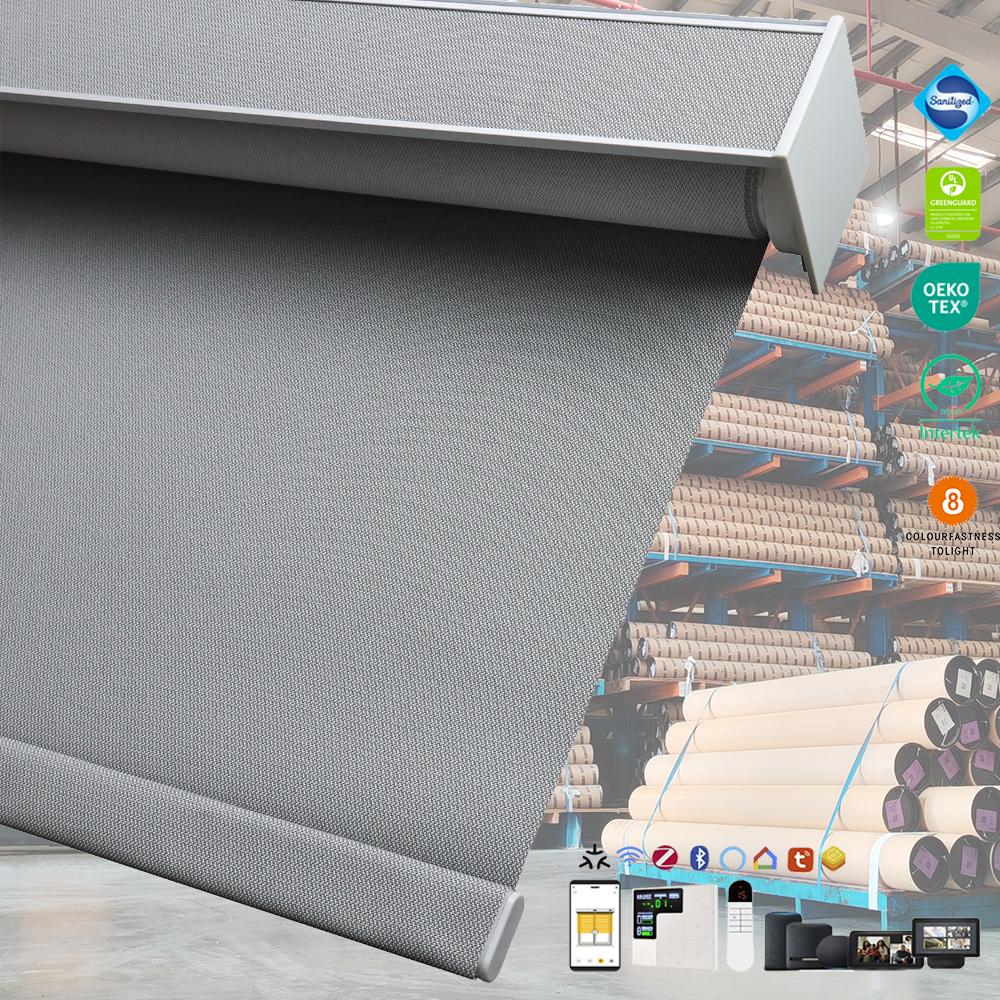
That tired set of blinds from the last decade isn't just an eyesore—it's quietly working against the light your home craves. Dust builds up in every slat, and each morning you twist the wand only to find half the slats stuck or bent. Instead of letting sunshine pour in, they filter it through a grimy film that dulls your whole room.
Beyond the light, those old blinds can be a real drain on your comfort. Gaps and warped slats let heat escape in winter and trap it inside during summer, so your HVAC system runs longer than it should. You end up paying for that inefficiency month after month, all because the window covering hasn't kept up with your home.
There's also the safety angle. Cords dangling from older models pose a genuine risk if you have kids or pets, and the constant tugging to get them to cooperate is a daily annoyance. Replacing them isn't just about style—it's about reclaiming a room that works for you, not against you.
The Quiet Comfort of Shades That Adjust on Their Own
Mornings no longer start with a jolt. As daylight creeps across the room, the shades ease upward in near silence, matching the pace of your waking rather than interrupting it. There's no whir of machinery, no sudden snap—just a slow, smooth shift that feels less like automation and more like the room itself breathing.
What makes this kind of comfort different is how little it asks of you. You don't reach for a remote, don't open an app, don't think about glare or heat until you realize they were never a problem. The shades read the light and move accordingly, keeping the space balanced whether you're deep in a book or dozing through a lazy afternoon.
After a while, you stop noticing the adjustments at all—and that's the point. The hardware fades into the background, leaving only the calm of a room that always seems to have the right amount of shade. It's a small, quiet luxury, but one that quietly reshapes how a day feels from the first soft light to the last.
How a Tailored Blind Setup Shapes the Feel of a Room
Instead of treating window coverings as an afterthought, a tailored blind setup works like a quiet architectural edit. The exact stack height, the way fabric folds settle when raised, the weight of the hem bar—these small decisions shift how daylight moves across a wall and how tall the ceiling feels. A blind that sits flush inside the frame brings a cleaner, more contained energy, while one mounted outside with a slight overlap can soften hard edges and make the window feel larger than it is.
Material choice then does a lot of the heavy lifting for mood. A woven wood blind with visible texture catches low afternoon sun and pulls the room toward relaxed, organic territory. A crisp, room-darkening fabric in a tone close to the wall color tends to recede, making the space feel taller and less busy. The difference isn't just about blocking light; it's about whether the window reads as a bright focal point or as part of a calm, continuous surface.
Even the control type matters more than most expect. A cordless lift with a weighted bottom rail gives a tidy, uninterrupted line that works well in minimal spaces, while a traditional cord or chain can add a subtle, almost utilitarian charm if the rest of the room leans vintage. Getting these details right means the blinds stop being something you notice only when they're broken—they become part of the room's quiet logic.
What a Smart Blinds Company Knows That DIY Guides Miss
Most DIY guides treat window openings as if they were perfectly rectangular and plumb, but installers quickly learn that drywall corners drift, wood frames swell with humidity, and older homes hide surprises behind the trim—like stray electrical wires or uneven lintels. A professional measures at multiple points and accounts for the actual reveal, not just the nominal size printed on the box. They also know that mounting into plaster requires different anchors than drywall, and that a hollow section behind the bracket can turn a simple job into a callback.
Motor selection is another area where online tutorials fall short. The torque needed to lift a blackout honeycomb shade on a wide window is far greater than what a lightweight roller blind requires, yet many guides recommend the same generic motor. Over time, an underpowered motor will strain, overheat, or make a grinding noise that ruins the quiet of a bedroom. Professionals also plan the power path—whether to hardwire through a nearby switch, hide a rechargeable battery pack inside the headrail, or route a low-voltage cable behind crown molding so it never dangles in view.
Beyond installation, long-term behavior matters more than the initial setup. A smart blinds company has seen how different fabrics fade unevenly under direct afternoon sun, which is why they may suggest a solar screen instead of a room-darkening shade for west-facing rooms. They test firmware updates against multiple hubs, know which Zigbee or Matter devices drop offline when a router changes channels, and set limit stops so the blind doesn’t slam against the sill every morning. Those small adjustments—based on real field experience—are what keep a motorized shade quiet and reliable years after the DIY guide’s video ends.
The Difference Between Adding Gadgets and Living More Comfortably
Buying more devices rarely makes a home feel easier to live in. A drawer full of smart plugs, motion sensors, and voice assistants can leave you juggling apps, accounts, and firmware updates instead of enjoying a quieter evening. Comfort usually comes from removing small daily frictions, not from stacking up hardware.
The real shift happens when the tools around you start responding without being asked. A hallway light that warms to a low glow at 2 a.m. or a thermostat that eases the temperature down before bed feels different from a gadget that waits for a command. One asks for your attention; the other quietly adapts to your rhythm.
That is why a comfortable home often contains fewer visible gadgets but better connected ones. The goal is not to control everything from a phone screen, but to need the phone less. When technology fades into the background and simply keeps the air, light, and warmth in tune with how you actually live, you stop noticing the devices altogether.
FAQ
Regular curtains only block light when you manually close them. Smart blinds can adjust themselves based on the time of day, room temperature, or even your daily routine—so your living room never turns into a sauna at 3 p.m. and you don't have to get up to fight with a cord.
Yes, but not in a gimmicky way. By lowering automatically during peak sun hours in summer, they reduce cooling load; in winter, they can open to let in free solar heat. It's like having a thermostat for sunlight, which trims your bills without you thinking about it.
They manage glare on screens, protect furniture from UV fading, and create softer, more even lighting throughout the day. You can also program them to gradually open in the morning as a gentle wake-up, which beats a blaring alarm.
Most modern options are battery-powered and mount inside your existing window frame with basic tools. Pairing usually takes a few minutes on your phone, and after that you can control them with an app, voice assistant, or simple wall switch—no rewiring needed.
Look for one that offers a range of fabric opacity levels, reliable automation schedules, and compatibility with your existing smart home hub. A good company will also provide clear measuring guides and responsive support, so you're not stuck troubleshooting alone.
Absolutely. You can schedule them to close fully at bedtime to block streetlights or early sunrise, then open slightly when it's time to wake. This helps regulate your circadian rhythm, especially if your bedroom faces east or a busy street.
Many models are designed for renters—they use tension rods or adhesive brackets instead of drilling. You can take them with you when you move, which means comfort upgrades don't have to be permanent renovations.
If you value time savings, lower energy bills, and a home that adapts to your habits, the upfront cost evens out over a few years. Plus, unlike a fancy coffee machine, smart blinds quietly work every day without needing your attention.
Conclusion
A specialist handles window shades differently from a quick DIY fix, and that difference shows up in how a room actually feels. Most off-the-shelf blinds work against you in subtle ways—letting in glare at the wrong hour, trapping heat when you want a breeze, or demanding constant manual fiddling that never quite feels right. When a smart blinds company takes over, the shades begin adjusting on their own, tracking sunlight and your daily patterns without you touching a switch. That quiet automation isn’t about showing off gadgets; it removes a background friction you didn’t realize was eroding your comfort, turning a forgettable window covering into something that actively supports how you live.
A tailored blind setup reshapes the feel of a room far more than a generic shade ever could. Professionals account for fabric density, mounting depth, light angle, and even how a motor’s hum interacts with your space—details DIY guides usually gloss over. Those small measurement errors and wiring quirks lead to uneven gaps, stiff operation, or a setup that fights your furniture layout. The real difference isn’t piling on more tech; it’s having shades that work with your life so the room stays calm without constant adjustments. That’s the genuine shift from owning smart gadgets to living more comfortably, and it’s why a specialist’s knowledge matters more than a weekend project.
Contact Us
Contact Person: Vivien Cheng
Email: [email protected]
Tel/WhatsApp: +86 13751758835
Website: https://www.rollergytech.com/